The art of cooking
AI CHEF Blog

How to Tell a Story Through Your Food Presentation
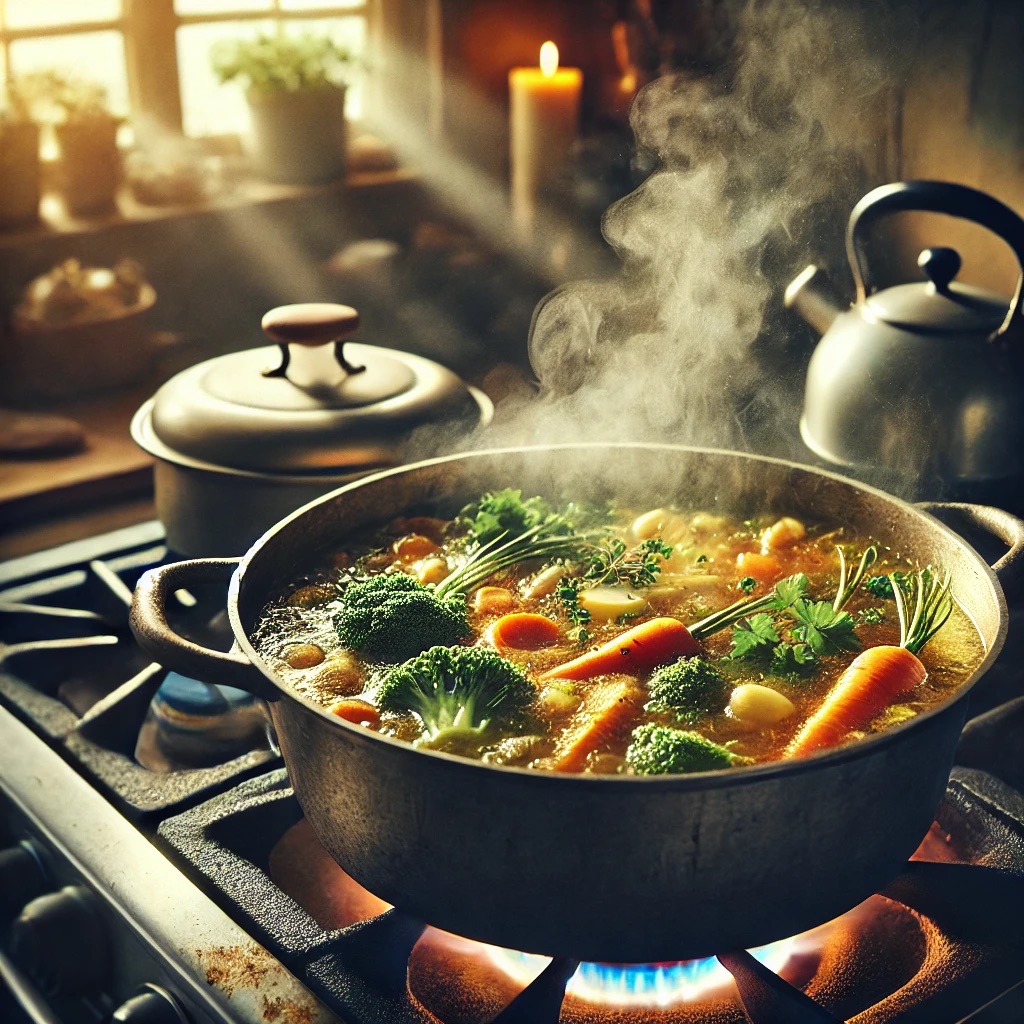
Food is not just about taste; it’s also about the experience it provides. The way food is presented can evoke emotions, spark memories, and create connections. In this blog post, we will explore how to tell a compelling story through your food presentation, making each dish not just a meal, but an experience.
The Importance of Food Presentation
Food presentation is an art that can significantly enhance the dining experience. A well-presented dish can excite the senses and provide a narrative that engages the diner. It transforms simple ingredients into a visual masterpiece, inviting guests to not only taste but also appreciate the creativity behind the dish.
1. Understanding Your Story
Before you even begin to plate your food, it’s crucial to understand the story you want to tell. Consider the following:
- Origin: Where do the ingredients come from? Are they local, seasonal, or exotic? The origin can add depth to your story.
- Inspiration: What inspired this dish? Is it a family recipe, a culinary journey, or a cultural tradition?
- Emotion: What feeling do you want to evoke? Comfort, nostalgia, excitement, or adventure?
Once you have a clear understanding of your story, you can begin to think about how to visually represent it through your food.
2. Choosing the Right Colors
Colors play a vital role in food presentation. They can evoke different emotions and set the tone for your dish. Here are some tips for using color effectively:
- Contrast: Use contrasting colors to make your dish visually appealing. For example, vibrant greens paired with deep reds can create a striking look.
- Balance: Ensure there’s a balance of colors on the plate. A monochromatic dish can be beautiful, but adding an accent color can make it pop.
- Seasonality: Use colors that represent the season. Bright, fresh colors in spring and summer, and warm, earthy tones in fall and winter can tell a seasonal story.
3. The Power of Texture
Texture adds another layer to your food presentation. A dish that combines various textures, such as crunchy, creamy, and chewy, can create a more engaging experience. Consider the following:
- Layering: Layering different textures can create depth. For example, a crispy topping on a smooth puree can be visually and texturally appealing.
- Garnishes: Use garnishes to add texture. Fresh herbs, nuts, or edible flowers can enhance both the look and mouthfeel of your dish.
- Contrasting Elements: Combine soft and hard elements. A soft fish fillet with a crunchy vegetable can create an interesting contrast.
4. The Art of Plating
Plating is where your storytelling comes to life. Here are some tips to consider when plating your food:
- Negative Space: Don’t overcrowd the plate. Use negative space to allow the food to stand out and breathe.
- Focal Point: Create a focal point on the plate. This could be the main component of the dish, surrounded by supporting elements.
- Height: Adding height to your presentation can create drama. Stack ingredients or use a ring mold to create towering presentations.
5. Incorporating Personal Touches
Personal touches can make your food presentation unique and relatable. Consider these ideas:
- Family Traditions: Include elements that reflect your heritage or family traditions. This could be a specific ingredient, style of presentation, or dish that holds sentimental value.
- Storytelling Elements: Integrate elements that tell your story, such as a small card with a description or the history behind the dish.
- Seasonal Elements: Use seasonal decorations or themes to enhance the narrative. For example, using autumn leaves in the presentation during fall can add a nice touch.
6. The Role of Servingware
The choice of servingware can greatly affect the perception of your dish. Here are some points to consider:
- Shape and Size: The shape and size of the plate or bowl can change the way your food is perceived. A large plate can give a sense of abundance, while a smaller one can make portions feel more luxurious.
- Material: The material of the servingware can also tell a story. Rustic wooden boards can evoke a homey, country feel, while sleek white plates can provide a modern touch.
- Color: The color of your servingware can enhance or detract from the colors of your food. Neutral colors often work best to allow the food to shine.
7. Engaging the Senses
Food presentation should engage all the senses, not just sight. Consider how your dish will smell, sound, and feel as well:
- Aroma: The scent of a dish can be just as enticing as its appearance. Use herbs, spices, and aromatic elements to enhance the overall experience.
- Sound: Think about the sounds associated with your dish. The crunch of a fresh vegetable or the sizzle of a hot plate can create anticipation.
- Mouthfeel: Consider the experience of eating your dish. A combination of textures and temperatures can create a memorable experience.
8. Practice and Experimentation
Like any art form, storytelling through food presentation takes practice. Don’t be afraid to experiment with different techniques, styles, and ideas. Here are some ways to hone your skills:
- Take Inspiration: Look at food photography, culinary art, and even nature for inspiration.
- Keep a Journal: Document your presentations and the stories behind them. This will help you refine your style and track your progress.
- Seek Feedback: Share your creations with friends, family, or online communities to gather feedback and ideas for improvement.
Conclusion
Food presentation is a powerful tool for storytelling. By understanding your narrative and using the elements of color, texture, plating, and personal touches, you can create dishes that not only taste great but also resonate with your guests on a deeper level. Remember, each plate is a blank canvas waiting for your creativity to shine. So get out there and start telling your story through food!
Related articles
 Elevate Your Dining Experience
Mastering Food Presentation Techniques
Elevate Your Dining Experience
Mastering Food Presentation Techniques
 10 Essential Plating Techniques to Wow Your Guests
 The Art of Plating
Transforming Simple Dishes into Culinary Masterpieces
The Art of Plating
Transforming Simple Dishes into Culinary Masterpieces
 Color and Texture
Key Elements of Stunning Food Presentation
Color and Texture
Key Elements of Stunning Food Presentation
 Plating 101
Tips and Tricks for Home Chefs
Plating 101
Tips and Tricks for Home Chefs
 From Plate to Palette
How to Create Visual Feast
From Plate to Palette
How to Create Visual Feast
 Minimalism on a Plate
The Beauty of Simple Food Presentation
Minimalism on a Plate
The Beauty of Simple Food Presentation
 Layering Flavors
Creative Plating Techniques for Gourmet Meals
Layering Flavors
Creative Plating Techniques for Gourmet Meals
 The Science of Plating
How Presentation Affects Taste Perception
The Science of Plating
How Presentation Affects Taste Perception
 Artful Arrangements
Mastering the Craft of Food Presentation
Artful Arrangements
Mastering the Craft of Food Presentation
 Plating Techniques Inspired by Michelin-Starred Restaurants
 The Importance of Negative Space in Food Presentation
 How to Use Garnishes for Stunning Food Presentation
 Creating Height in Your Plating
Techniques for Eye-Catching Dishes
Creating Height in Your Plating
Techniques for Eye-Catching Dishes
 The Power of Sauces
Techniques for Drizzling and Dashing
The Power of Sauces
Techniques for Drizzling and Dashing
 Seasonal Ingredients and Their Role in Beautiful Food Presentation
 Cultural Influences in Food Presentation Styles Around the World
 Plating for Special Occasions
Impressing Guests with Style
Plating for Special Occasions
Impressing Guests with Style
 Food Presentation Mistakes to Avoid
Tips for Home Chefs
Food Presentation Mistakes to Avoid
Tips for Home Chefs
 Sustainable Plating
Eco-Friendly Techniques for Food Presentation
Sustainable Plating
Eco-Friendly Techniques for Food Presentation
 The Role of Color Theory in Food Presentation
Making Dishes Pop
The Role of Color Theory in Food Presentation
Making Dishes Pop
 Plating Techniques for Different Cuisines
A Global Perspective
Plating Techniques for Different Cuisines
A Global Perspective
 How to Use Edible Flowers for Elegant Food Presentation
 Creating a Dining Experience
The Art of Plating and Ambiance
Creating a Dining Experience
The Art of Plating and Ambiance
 Serving Up Style
Tableware Choices That Enhance Food Presentation
Serving Up Style
Tableware Choices That Enhance Food Presentation
 Plating Techniques for Desserts
Sweet Presentations That Impress
Plating Techniques for Desserts
Sweet Presentations That Impress
 Harnessing the Power of Contrast in Food Presentation
 Plating Like a Pro
Tips from Renowned Chefs
Plating Like a Pro
Tips from Renowned Chefs
 The Role of Lighting in Food Presentation
How to Set the Mood
The Role of Lighting in Food Presentation
How to Set the Mood
 DIY Food Presentation
Creative Ways to Plate at Home
DIY Food Presentation
Creative Ways to Plate at Home
 Plating Techniques for Buffets
Making a Feast Visually Appealing
Plating Techniques for Buffets
Making a Feast Visually Appealing
 How to Tell a Story Through Your Food Presentation
 The Future of Food Presentation
Trends to Watch
The Future of Food Presentation
Trends to Watch
 Creating a Signature Plating Style
Finding Your Unique Voice
Creating a Signature Plating Style
Finding Your Unique Voice
Food Presentation for Kids
Making Meals Fun and Engaging
The Psychology of Food Presentation
How Looks Can Influence Taste
Plating Techniques for Vegan and Vegetarian Dishes
The Role of Texture in Food Presentation
Crunch, Cream, and More
Plating Techniques for Home Entertaining
Impressing Friends and Family
Artisanal Plating
Incorporating Handmade Elements into Your Presentation
Mastering the Use of Compotes and Coulis in Food Presentation
Plating Techniques for Appetizers
Small Bites, Big Impressions
How to Plate Like a Chef
A Step-by-Step Guide
Food Presentation for the Holidays
Festive Plating Ideas
The Importance of Balance in Food Presentation
A Harmonious Plate
Innovative Plating Techniques for Modern Cuisine
Food Presentation as Art
Exploring Culinary Creativity
The Secrets Behind Instagram-Worthy Food Presentation
Taking Plating to the Next Level
Advanced Techniques for Enthusiasts
Plating with Purpose
Creating Meaningful Culinary Experiences
Categories