The art of cooking
AI CHEF Blog

The Future of Food Presentation: Trends to Watch
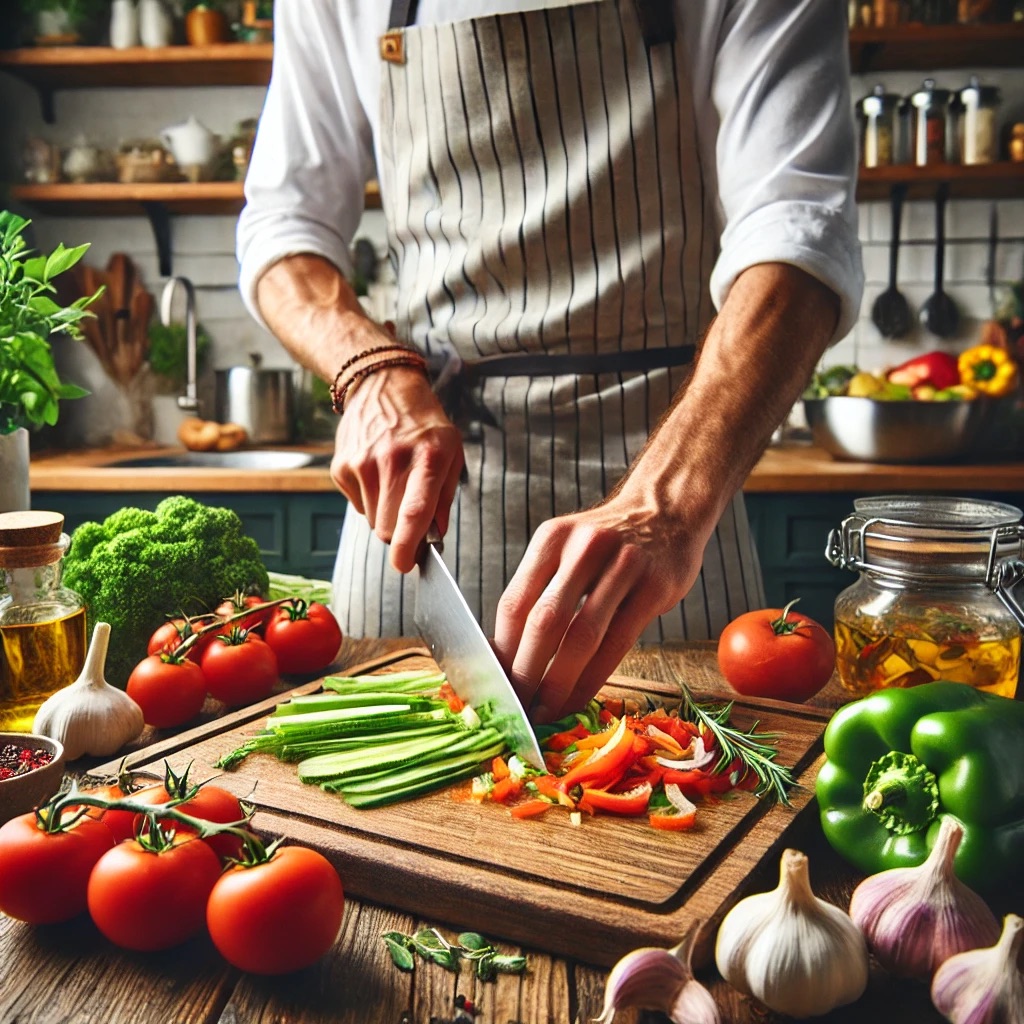
The way we present food has always been an essential aspect of the culinary experience. As we move forward into a new era of dining, food presentation is evolving to reflect changing tastes, technological advancements, and a growing emphasis on sustainability. In this blog post, we'll explore the upcoming trends in food presentation that are set to redefine the dining experience in the near future.
1. Minimalist Aesthetics
One of the most notable trends in food presentation is the shift towards minimalist aesthetics. This approach emphasizes simplicity, clarity, and the natural beauty of the ingredients. Chefs and food artists are opting for clean lines, muted color palettes, and a focus on the essential elements of a dish.
Minimalism not only highlights the quality of the ingredients but also allows diners to appreciate the flavors without distractions. Expect to see more white plates, negative space, and a reduction in overly elaborate garnishes.
2. Interactive Dining Experiences
As the line between food and entertainment continues to blur, interactive dining experiences will become more popular. This trend encourages diners to engage with their food on multiple sensory levels. From edible menus to DIY plating, restaurants are creating immersive experiences that allow guests to participate in the presentation of their meals.
For example, some establishments are offering tableside preparation or allow diners to assemble their dishes from a selection of ingredients. This trend not only enhances the dining experience but also fosters a deeper connection between the diner and the food.
3. Nature-Inspired Presentation
With the rise of foraged ingredients and farm-to-table dining, nature-inspired presentation is gaining traction. This trend involves using natural elements as part of the food presentation, such as wooden boards, stone platters, or even edible flowers and leaves.
By incorporating these elements, chefs can create a visual representation of the natural environment, further emphasizing the origins of the ingredients. This approach not only enhances the aesthetic appeal but also promotes sustainability and a connection to the earth.
4. Technology-Driven Presentation
As technology continues to permeate every aspect of our lives, it's no surprise that it is also influencing food presentation. From augmented reality (AR) experiences to 3D-printed food, technology is pushing the boundaries of how we perceive and interact with our meals.
For instance, some restaurants are using AR to create immersive dining experiences where diners can visualize the dish before it is served. Additionally, 3D printing technology allows chefs to create intricate designs and shapes that would be impossible to achieve by hand. As these technologies become more accessible, we can expect to see them play a significant role in food presentation.
5. Colorful and Bold Plating
Gone are the days of monochromatic dishes. The future of food presentation is all about vibrant colors and bold plating techniques. Chefs are experimenting with unexpected flavor combinations and using colorful ingredients to create visually striking dishes that entice the eye and palate alike.
From bright sauces to colorful edible flowers, the emphasis is on creating a feast for the eyes as well as the stomach. This trend also reflects the growing importance of social media in the dining experience, as diners are more likely to share visually appealing dishes on platforms like Instagram.
6. Plant-Based and Sustainable Presentation
As more people adopt plant-based diets and sustainability becomes a priority for consumers, food presentation is reflecting this shift. Chefs are focusing on plant-based ingredients and creative ways to present them, often highlighting the beauty of vegetables, grains, and legumes.
Additionally, sustainable presentation practices are gaining momentum, with an emphasis on using biodegradable or reusable serving ware. This trend not only reduces environmental impact but also aligns with the values of conscious consumers who prioritize sustainability in their dining choices.
7. Global Influences and Fusion Cuisine
In our increasingly interconnected world, global influences are shaping food presentation in exciting ways. Chefs are drawing inspiration from diverse cultures, incorporating unique plating techniques and traditional serving styles into their dishes.
This trend is particularly evident in fusion cuisine, where chefs blend elements from different culinary traditions to create innovative dishes. Expect to see more cross-cultural presentations that celebrate the rich tapestry of global gastronomy.
8. Edible Art
The concept of edible art is taking food presentation to new heights. Chefs are pushing the boundaries of creativity by transforming food into stunning works of art. From intricate sugar sculptures to beautifully crafted pastries, these edible creations are both visually stunning and delicious.
This trend not only showcases the skill and artistry of the chef but also elevates the dining experience to a new level. Diners are increasingly seeking out unique and memorable experiences, and edible art is a sure way to leave a lasting impression.
9. Nostalgic Presentation
Nostalgia plays a powerful role in food presentation, as chefs tap into the comfort of familiar flavors and childhood memories. This trend involves reimagining classic dishes and presenting them in a contemporary way.
For example, a modern take on a childhood favorite might involve deconstructing a classic dessert and presenting it in a new format. This approach not only appeals to diners' emotions but also sparks conversations about food memories and shared experiences.
10. Personalization and Customization
As diners increasingly seek personalized experiences, food presentation is adapting to meet their desires. Restaurants are beginning to offer customizable dishes that allow guests to choose their ingredients, flavors, and presentation styles.
This trend empowers diners to take control of their dining experience, resulting in unique presentations that reflect individual tastes. Whether it's a build-your-own bowl or a customizable dessert, personalized food presentation is set to become a staple in the future of dining.
Conclusion
The future of food presentation is bright and full of exciting possibilities. As we embrace minimalism, technology, and sustainability, the way we present and experience food will continue to evolve. Whether through interactive dining, bold colors, or personalized dishes, these trends are set to transform the culinary landscape, creating memorable experiences for diners around the world.
As we look ahead, one thing is certain: food presentation will remain an integral part of the dining experience, captivating our senses and inspiring creativity in the kitchen.
Related articles
 Elevate Your Dining Experience
Mastering Food Presentation Techniques
Elevate Your Dining Experience
Mastering Food Presentation Techniques
 10 Essential Plating Techniques to Wow Your Guests
 The Art of Plating
Transforming Simple Dishes into Culinary Masterpieces
The Art of Plating
Transforming Simple Dishes into Culinary Masterpieces
 Color and Texture
Key Elements of Stunning Food Presentation
Color and Texture
Key Elements of Stunning Food Presentation
 Plating 101
Tips and Tricks for Home Chefs
Plating 101
Tips and Tricks for Home Chefs
 From Plate to Palette
How to Create Visual Feast
From Plate to Palette
How to Create Visual Feast
 Minimalism on a Plate
The Beauty of Simple Food Presentation
Minimalism on a Plate
The Beauty of Simple Food Presentation
 Layering Flavors
Creative Plating Techniques for Gourmet Meals
Layering Flavors
Creative Plating Techniques for Gourmet Meals
 The Science of Plating
How Presentation Affects Taste Perception
The Science of Plating
How Presentation Affects Taste Perception
 Artful Arrangements
Mastering the Craft of Food Presentation
Artful Arrangements
Mastering the Craft of Food Presentation
 Plating Techniques Inspired by Michelin-Starred Restaurants
 The Importance of Negative Space in Food Presentation
 How to Use Garnishes for Stunning Food Presentation
 Creating Height in Your Plating
Techniques for Eye-Catching Dishes
Creating Height in Your Plating
Techniques for Eye-Catching Dishes
 The Power of Sauces
Techniques for Drizzling and Dashing
The Power of Sauces
Techniques for Drizzling and Dashing
 Seasonal Ingredients and Their Role in Beautiful Food Presentation
 Cultural Influences in Food Presentation Styles Around the World
 Plating for Special Occasions
Impressing Guests with Style
Plating for Special Occasions
Impressing Guests with Style
 Food Presentation Mistakes to Avoid
Tips for Home Chefs
Food Presentation Mistakes to Avoid
Tips for Home Chefs
 Sustainable Plating
Eco-Friendly Techniques for Food Presentation
Sustainable Plating
Eco-Friendly Techniques for Food Presentation
 The Role of Color Theory in Food Presentation
Making Dishes Pop
The Role of Color Theory in Food Presentation
Making Dishes Pop
 Plating Techniques for Different Cuisines
A Global Perspective
Plating Techniques for Different Cuisines
A Global Perspective
 How to Use Edible Flowers for Elegant Food Presentation
 Creating a Dining Experience
The Art of Plating and Ambiance
Creating a Dining Experience
The Art of Plating and Ambiance
 Serving Up Style
Tableware Choices That Enhance Food Presentation
Serving Up Style
Tableware Choices That Enhance Food Presentation
 Plating Techniques for Desserts
Sweet Presentations That Impress
Plating Techniques for Desserts
Sweet Presentations That Impress
 Harnessing the Power of Contrast in Food Presentation
 Plating Like a Pro
Tips from Renowned Chefs
Plating Like a Pro
Tips from Renowned Chefs
 The Role of Lighting in Food Presentation
How to Set the Mood
The Role of Lighting in Food Presentation
How to Set the Mood
 DIY Food Presentation
Creative Ways to Plate at Home
DIY Food Presentation
Creative Ways to Plate at Home
 Plating Techniques for Buffets
Making a Feast Visually Appealing
Plating Techniques for Buffets
Making a Feast Visually Appealing
 How to Tell a Story Through Your Food Presentation
 The Future of Food Presentation
Trends to Watch
The Future of Food Presentation
Trends to Watch
 Creating a Signature Plating Style
Finding Your Unique Voice
Creating a Signature Plating Style
Finding Your Unique Voice
Food Presentation for Kids
Making Meals Fun and Engaging
The Psychology of Food Presentation
How Looks Can Influence Taste
Plating Techniques for Vegan and Vegetarian Dishes
The Role of Texture in Food Presentation
Crunch, Cream, and More
Plating Techniques for Home Entertaining
Impressing Friends and Family
Artisanal Plating
Incorporating Handmade Elements into Your Presentation
Mastering the Use of Compotes and Coulis in Food Presentation
Plating Techniques for Appetizers
Small Bites, Big Impressions
How to Plate Like a Chef
A Step-by-Step Guide
Food Presentation for the Holidays
Festive Plating Ideas
The Importance of Balance in Food Presentation
A Harmonious Plate
Innovative Plating Techniques for Modern Cuisine
Food Presentation as Art
Exploring Culinary Creativity
The Secrets Behind Instagram-Worthy Food Presentation
Taking Plating to the Next Level
Advanced Techniques for Enthusiasts
Plating with Purpose
Creating Meaningful Culinary Experiences
Categories