The art of cooking
AI CHEF Blog

Edible Decorations: Creative Garnishing Techniques for Stunning Plates
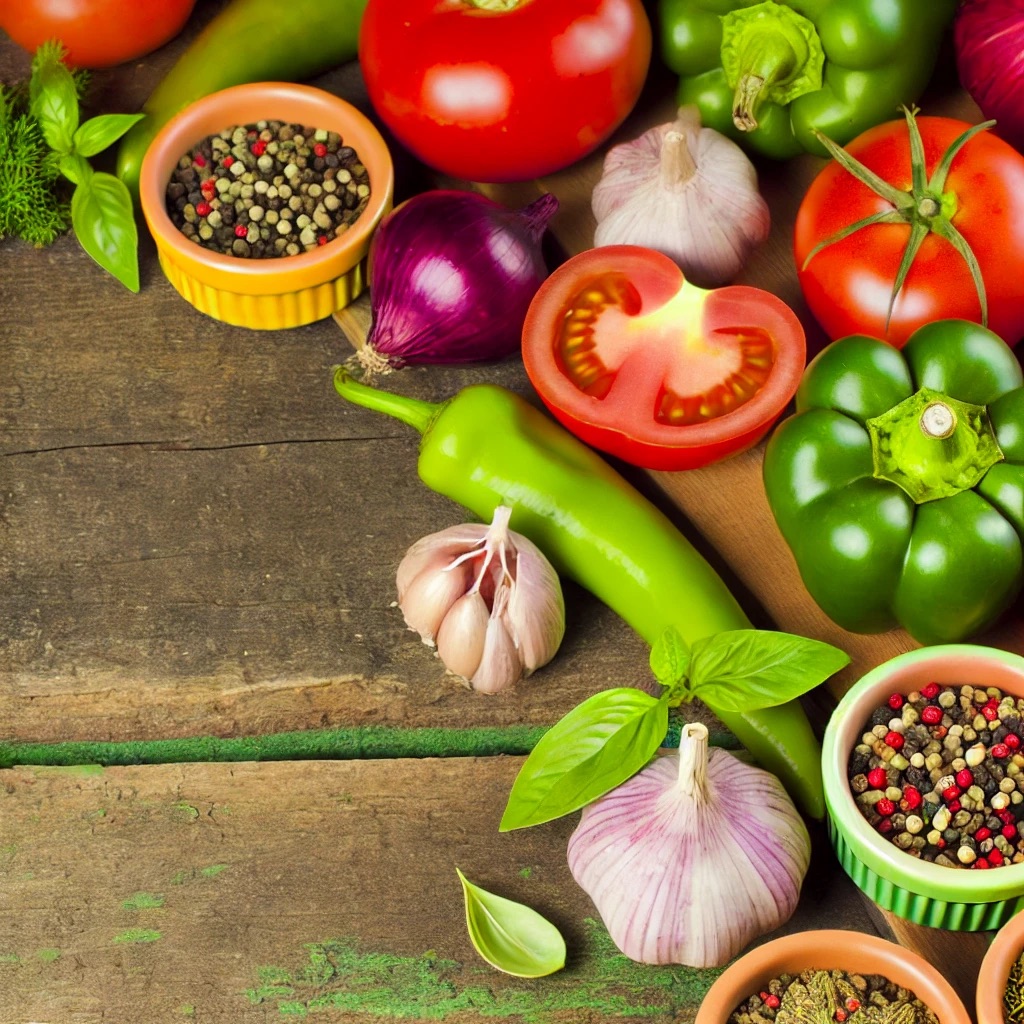
In the world of culinary arts, presentation is almost as important as taste. A well-garnished dish can elevate a simple meal into a fine dining experience. Edible decorations not only enhance the visual appeal of a plate but can also complement the flavors of the dish. In this blog post, we will explore various creative garnishing techniques that will help you turn ordinary plates into stunning culinary masterpieces.
The Importance of Garnishing
Garnishing is more than just a decorative touch; it adds an element of intrigue and excitement to a dish. A beautiful presentation can stimulate the appetite and set the tone for the entire meal. Moreover, garnishes can provide texture, color, and flavor that enhance the overall dining experience. Whether you’re hosting a dinner party or just preparing a meal for yourself, taking the time to garnish your dishes can make a significant difference.
Choosing the Right Ingredients
When it comes to garnishing, the first step is selecting the right ingredients. Here are some edible decorations you can use:
- Herbs: Fresh herbs like parsley, cilantro, and basil not only add color but also enhance flavor.
- Fruits and Vegetables: Sliced fruits and vegetables can add vibrant colors and interesting shapes to your plate.
- Edible Flowers: Many flowers are safe to eat and can provide a beautiful touch to your dishes.
- Sauces and Purees: Artistic drizzles or dots of sauce can add a professional touch to your presentation.
- Spices: A sprinkle of spices can add both flavor and visual interest.
Techniques for Creative Garnishing
Now that you have your ingredients, it’s time to explore some creative garnishing techniques:
1. Herb Sprays
Create a fine mist of herb-infused oil or vinegar to spray over your dish. This technique not only adds flavor but also gives a professional finish. Simply blend your chosen herbs with oil or vinegar, strain, and use a spray bottle to mist over the plate.
2. Vegetable Ribbons
Using a vegetable peeler, create ribbons of vegetables like zucchini, carrots, or cucumbers. These can be twisted into decorative shapes and placed around the plate for an elegant touch.
3. Fruit Carving
Fruit carving is an ancient art that can add a stunning focal point to your dish. Use sharp knives to carve intricate designs into fruits like melons, apples, or pineapples. These can be used as a centerpiece or garnish for your plates.
4. Edible Flowers
Edible flowers like nasturtiums, pansies, or violets can add a pop of color to any dish. They can be sprinkled whole or used to create delicate arrangements on the plate.
5. Sauce Dots and Swirls
Use a squeeze bottle or a spoon to create dots or swirls of sauce on your plate. This technique can be particularly effective with colorful sauces like beet puree, balsamic reduction, or pesto.
6. Citrus Zest
Add a burst of flavor and color by grating citrus zest over your dish. Lemon, lime, or orange zest can brighten up a plate and enhance the flavors of many dishes.
7. Microgreens
Microgreens are young, edible plants that pack a flavorful punch. Use them as a garnish to add both color and texture to your dishes. They can be sprinkled over soups, salads, or main courses.
Combining Techniques for Maximum Impact
Don’t be afraid to combine different garnishing techniques for a more dramatic effect. For example, you can create a base of vegetable ribbons, add a few edible flowers, and finish with a drizzle of sauce. The key is to balance the elements so that the garnishes complement the dish without overwhelming it.
Practical Tips for Successful Garnishing
- Keep it Simple: Don’t overdo it. A few well-placed garnishes can be more effective than a crowded plate.
- Consider Color: Aim for a variety of colors to make your dish visually appealing.
- Think About Texture: Combine different textures to create a more interesting eating experience.
- Use Seasonal Ingredients: Seasonal fruits and vegetables will not only taste better but also look fresher.
- Practice Makes Perfect: Don’t be discouraged if your first attempts aren’t perfect. Keep practicing and experimenting.
Conclusion
Edible decorations and creative garnishing techniques can transform your plates from ordinary to extraordinary. By choosing the right ingredients and employing various techniques, you can create beautiful presentations that enhance the dining experience. Remember, garnishing is an art, and like any art form, it takes practice and creativity. So, get into the kitchen, start experimenting, and impress your guests with stunning plates that are as delightful to look at as they are to eat!
Related articles
 Elevate Your Dining Experience
Mastering Food Presentation Techniques
Elevate Your Dining Experience
Mastering Food Presentation Techniques
 10 Essential Plating Techniques to Wow Your Guests
 The Art of Plating
Transforming Simple Dishes into Culinary Masterpieces
The Art of Plating
Transforming Simple Dishes into Culinary Masterpieces
 Color and Texture
Key Elements of Stunning Food Presentation
Color and Texture
Key Elements of Stunning Food Presentation
 Plating 101
Tips and Tricks for Home Chefs
Plating 101
Tips and Tricks for Home Chefs
 From Plate to Palette
How to Create Visual Feast
From Plate to Palette
How to Create Visual Feast
 Minimalism on a Plate
The Beauty of Simple Food Presentation
Minimalism on a Plate
The Beauty of Simple Food Presentation
 Layering Flavors
Creative Plating Techniques for Gourmet Meals
Layering Flavors
Creative Plating Techniques for Gourmet Meals
 The Science of Plating
How Presentation Affects Taste Perception
The Science of Plating
How Presentation Affects Taste Perception
 Artful Arrangements
Mastering the Craft of Food Presentation
Artful Arrangements
Mastering the Craft of Food Presentation
 Plating Techniques Inspired by Michelin-Starred Restaurants
 The Importance of Negative Space in Food Presentation
 How to Use Garnishes for Stunning Food Presentation
 Creating Height in Your Plating
Techniques for Eye-Catching Dishes
Creating Height in Your Plating
Techniques for Eye-Catching Dishes
 The Power of Sauces
Techniques for Drizzling and Dashing
The Power of Sauces
Techniques for Drizzling and Dashing
 Seasonal Ingredients and Their Role in Beautiful Food Presentation
 Cultural Influences in Food Presentation Styles Around the World
 Plating for Special Occasions
Impressing Guests with Style
Plating for Special Occasions
Impressing Guests with Style
 Food Presentation Mistakes to Avoid
Tips for Home Chefs
Food Presentation Mistakes to Avoid
Tips for Home Chefs
 Sustainable Plating
Eco-Friendly Techniques for Food Presentation
Sustainable Plating
Eco-Friendly Techniques for Food Presentation
 The Role of Color Theory in Food Presentation
Making Dishes Pop
The Role of Color Theory in Food Presentation
Making Dishes Pop
 Plating Techniques for Different Cuisines
A Global Perspective
Plating Techniques for Different Cuisines
A Global Perspective
 How to Use Edible Flowers for Elegant Food Presentation
 Creating a Dining Experience
The Art of Plating and Ambiance
Creating a Dining Experience
The Art of Plating and Ambiance
 Serving Up Style
Tableware Choices That Enhance Food Presentation
Serving Up Style
Tableware Choices That Enhance Food Presentation
 Plating Techniques for Desserts
Sweet Presentations That Impress
Plating Techniques for Desserts
Sweet Presentations That Impress
 Harnessing the Power of Contrast in Food Presentation
 Plating Like a Pro
Tips from Renowned Chefs
Plating Like a Pro
Tips from Renowned Chefs
 The Role of Lighting in Food Presentation
How to Set the Mood
The Role of Lighting in Food Presentation
How to Set the Mood
 DIY Food Presentation
Creative Ways to Plate at Home
DIY Food Presentation
Creative Ways to Plate at Home
 Plating Techniques for Buffets
Making a Feast Visually Appealing
Plating Techniques for Buffets
Making a Feast Visually Appealing
 How to Tell a Story Through Your Food Presentation
 The Future of Food Presentation
Trends to Watch
The Future of Food Presentation
Trends to Watch
 Creating a Signature Plating Style
Finding Your Unique Voice
Creating a Signature Plating Style
Finding Your Unique Voice
Food Presentation for Kids
Making Meals Fun and Engaging
The Psychology of Food Presentation
How Looks Can Influence Taste
Plating Techniques for Vegan and Vegetarian Dishes
The Role of Texture in Food Presentation
Crunch, Cream, and More
Plating Techniques for Home Entertaining
Impressing Friends and Family
Artisanal Plating
Incorporating Handmade Elements into Your Presentation
Mastering the Use of Compotes and Coulis in Food Presentation
Plating Techniques for Appetizers
Small Bites, Big Impressions
How to Plate Like a Chef
A Step-by-Step Guide
Food Presentation for the Holidays
Festive Plating Ideas
The Importance of Balance in Food Presentation
A Harmonious Plate
Innovative Plating Techniques for Modern Cuisine
Food Presentation as Art
Exploring Culinary Creativity
The Secrets Behind Instagram-Worthy Food Presentation
Taking Plating to the Next Level
Advanced Techniques for Enthusiasts
Plating with Purpose
Creating Meaningful Culinary Experiences
Categories