The art of cooking
AI CHEF Blog

Plating Mistakes to Avoid: Common Pitfalls in Food Presentation
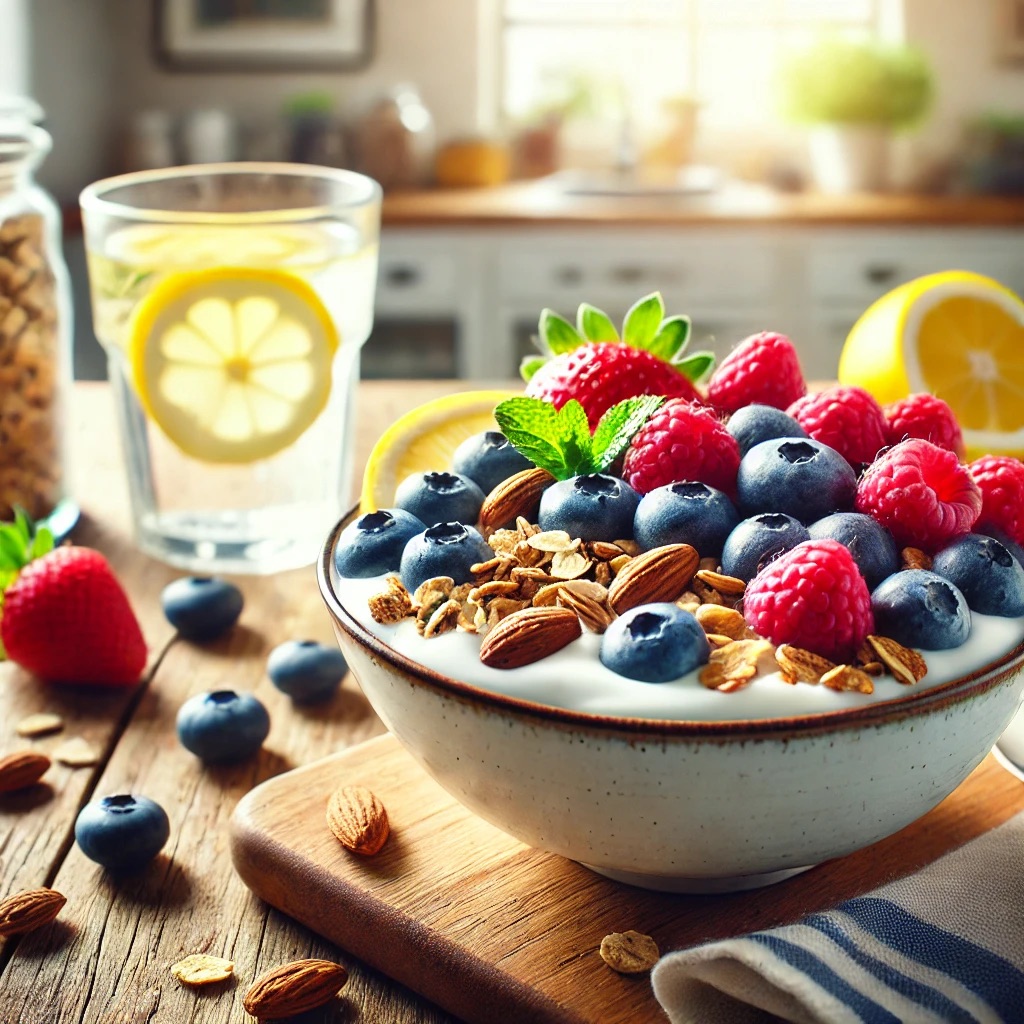
Food presentation is an art form that can significantly impact the dining experience. Whether you are a professional chef or a home cook, the way you plate your food can enhance its appeal and elevate its flavors. However, there are common mistakes that many make when it comes to food presentation. In this blog post, we will explore these pitfalls and offer tips on how to avoid them, ensuring your dishes look as good as they taste.
1. Overcrowding the Plate
One of the most common mistakes in food plating is overcrowding the plate. When you place too many items on a plate, it can create a chaotic appearance that distracts from the individual components of the dish. Aim for a clean and organized presentation by limiting the number of elements on each plate. A few well-chosen components can create a more visually appealing and elegant presentation.
2. Lack of Color Contrast
Color is a powerful element in food presentation. A dish that lacks color contrast can appear dull and unappetizing. Incorporate a variety of colors to make the plate more vibrant and inviting. For example, pairing bright greens with deep reds and yellows can enhance the overall appeal of the dish. Consider garnishing with fresh herbs, edible flowers, or colorful sauces to add visual interest.
3. Ignoring the Plate Size
Using an inappropriate plate size can greatly affect the presentation of your food. A small portion on a large plate can make the dish look meager, while a large portion on a small plate can appear overwhelming. Choose a plate size that complements the portion size of your dish. A balanced presentation will draw attention to the food itself rather than the plate.
4. Not Considering the Height
Adding height to your plating can create visual interest and dimension. Flat presentations can often feel uninspired and lack excitement. Incorporate layers or stack elements to create a dynamic look. For instance, you might build a tower of grilled vegetables, or create a layered dessert in a glass. Just remember to balance height with stability to avoid any mishaps!
5. Forgetting to Clean the Edges
The edges of the plate are often overlooked, but they play a crucial role in the overall presentation. Smudges, drips, and spills can detract from the visual appeal of your dish. Before serving, take a moment to wipe the edges of the plate clean. This simple step can make a significant difference in the final presentation.
6. Using the Wrong Garnish
Garnishes should enhance the dish, not overpower it. Using the wrong garnish can lead to a confusing presentation. Opt for garnishes that complement the flavors and colors of your dish. Fresh herbs, microgreens, or a drizzle of sauce can enhance the visual appeal without overwhelming the primary components. Avoid using garnishes that are not edible, as these can detract from the overall experience.
7. Neglecting the Importance of Texture
Texture plays a crucial role in food presentation. A plate that lacks variety in texture can appear flat and uninviting. Incorporate a mix of textures, such as crunchy, creamy, and tender components, to create a more engaging experience for the diner. Think about how different textures can complement each other and enhance the overall flavor profile of the dish.
8. Disregarding the Theme
Every dish has a story and a theme. Disregarding the theme can lead to a disjointed presentation. Consider the cuisine and the message you want to convey when plating your dish. For example, a rustic dish may benefit from a more casual presentation, while a fine dining dish may require precise and elegant plating techniques. Stay true to the theme to create a cohesive and appealing presentation.
9. Overthinking the Design
While it is essential to pay attention to plating, overthinking can lead to a complicated and cluttered presentation. Keep it simple and focus on the key elements of the dish. A well-executed simple design can often be more effective than an overly complicated one. Remember, less is often more when it comes to food presentation.
10. Failing to Adapt to the Dish
Each dish has its own characteristics and qualities that should be highlighted in the presentation. Failing to adapt your plating technique to suit the dish can result in a lackluster presentation. Take the time to consider the flavors, textures, and overall essence of the dish. Adjust your plating style accordingly to showcase the dish in the best possible light.
Conclusion
Food presentation is a crucial aspect of the dining experience that should not be overlooked. By avoiding these common pitfalls in plating, you can enhance the visual appeal of your dishes and create a memorable experience for your diners. Remember to keep it simple, focus on color and texture, and always consider the theme of the dish. With practice and attention to detail, you can master the art of food presentation and elevate your culinary creations.
Related articles
 Elevate Your Dining Experience
Mastering Food Presentation Techniques
Elevate Your Dining Experience
Mastering Food Presentation Techniques
 10 Essential Plating Techniques to Wow Your Guests
 The Art of Plating
Transforming Simple Dishes into Culinary Masterpieces
The Art of Plating
Transforming Simple Dishes into Culinary Masterpieces
 Color and Texture
Key Elements of Stunning Food Presentation
Color and Texture
Key Elements of Stunning Food Presentation
 Plating 101
Tips and Tricks for Home Chefs
Plating 101
Tips and Tricks for Home Chefs
 From Plate to Palette
How to Create Visual Feast
From Plate to Palette
How to Create Visual Feast
 Minimalism on a Plate
The Beauty of Simple Food Presentation
Minimalism on a Plate
The Beauty of Simple Food Presentation
 Layering Flavors
Creative Plating Techniques for Gourmet Meals
Layering Flavors
Creative Plating Techniques for Gourmet Meals
 The Science of Plating
How Presentation Affects Taste Perception
The Science of Plating
How Presentation Affects Taste Perception
 Artful Arrangements
Mastering the Craft of Food Presentation
Artful Arrangements
Mastering the Craft of Food Presentation
 Plating Techniques Inspired by Michelin-Starred Restaurants
 The Importance of Negative Space in Food Presentation
 How to Use Garnishes for Stunning Food Presentation
 Creating Height in Your Plating
Techniques for Eye-Catching Dishes
Creating Height in Your Plating
Techniques for Eye-Catching Dishes
 The Power of Sauces
Techniques for Drizzling and Dashing
The Power of Sauces
Techniques for Drizzling and Dashing
 Seasonal Ingredients and Their Role in Beautiful Food Presentation
 Cultural Influences in Food Presentation Styles Around the World
 Plating for Special Occasions
Impressing Guests with Style
Plating for Special Occasions
Impressing Guests with Style
 Food Presentation Mistakes to Avoid
Tips for Home Chefs
Food Presentation Mistakes to Avoid
Tips for Home Chefs
 Sustainable Plating
Eco-Friendly Techniques for Food Presentation
Sustainable Plating
Eco-Friendly Techniques for Food Presentation
 The Role of Color Theory in Food Presentation
Making Dishes Pop
The Role of Color Theory in Food Presentation
Making Dishes Pop
 Plating Techniques for Different Cuisines
A Global Perspective
Plating Techniques for Different Cuisines
A Global Perspective
 How to Use Edible Flowers for Elegant Food Presentation
 Creating a Dining Experience
The Art of Plating and Ambiance
Creating a Dining Experience
The Art of Plating and Ambiance
 Serving Up Style
Tableware Choices That Enhance Food Presentation
Serving Up Style
Tableware Choices That Enhance Food Presentation
 Plating Techniques for Desserts
Sweet Presentations That Impress
Plating Techniques for Desserts
Sweet Presentations That Impress
 Harnessing the Power of Contrast in Food Presentation
 Plating Like a Pro
Tips from Renowned Chefs
Plating Like a Pro
Tips from Renowned Chefs
 The Role of Lighting in Food Presentation
How to Set the Mood
The Role of Lighting in Food Presentation
How to Set the Mood
 DIY Food Presentation
Creative Ways to Plate at Home
DIY Food Presentation
Creative Ways to Plate at Home
 Plating Techniques for Buffets
Making a Feast Visually Appealing
Plating Techniques for Buffets
Making a Feast Visually Appealing
 How to Tell a Story Through Your Food Presentation
 The Future of Food Presentation
Trends to Watch
The Future of Food Presentation
Trends to Watch
 Creating a Signature Plating Style
Finding Your Unique Voice
Creating a Signature Plating Style
Finding Your Unique Voice
Food Presentation for Kids
Making Meals Fun and Engaging
The Psychology of Food Presentation
How Looks Can Influence Taste
Plating Techniques for Vegan and Vegetarian Dishes
The Role of Texture in Food Presentation
Crunch, Cream, and More
Plating Techniques for Home Entertaining
Impressing Friends and Family
Artisanal Plating
Incorporating Handmade Elements into Your Presentation
Mastering the Use of Compotes and Coulis in Food Presentation
Plating Techniques for Appetizers
Small Bites, Big Impressions
How to Plate Like a Chef
A Step-by-Step Guide
Food Presentation for the Holidays
Festive Plating Ideas
The Importance of Balance in Food Presentation
A Harmonious Plate
Innovative Plating Techniques for Modern Cuisine
Food Presentation as Art
Exploring Culinary Creativity
The Secrets Behind Instagram-Worthy Food Presentation
Taking Plating to the Next Level
Advanced Techniques for Enthusiasts
Plating with Purpose
Creating Meaningful Culinary Experiences
Categories