The art of cooking
AI CHEF Blog

How to Plate Like a Chef: A Step-by-Step Guide
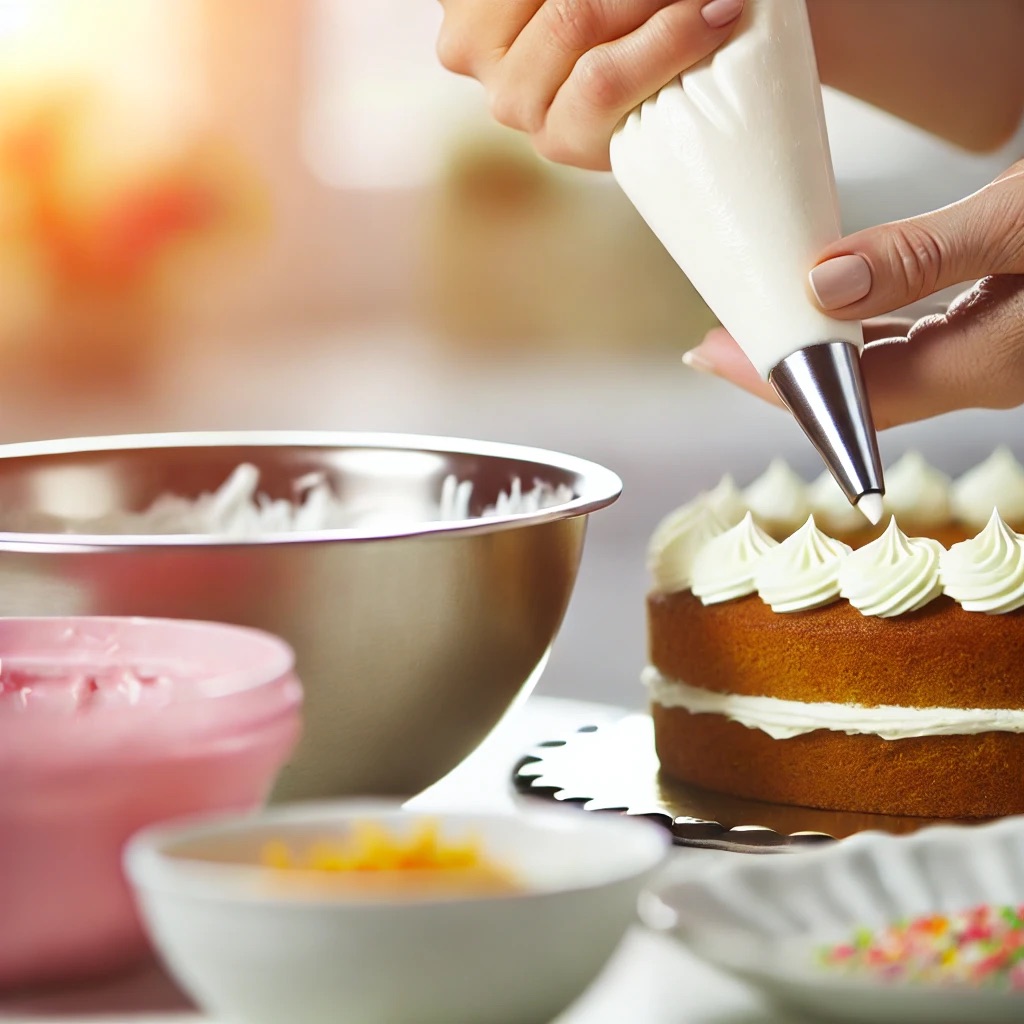
When it comes to dining, the first experience is always visual. The way food is plated can elevate a simple meal into a culinary masterpiece. Plating is an art that involves a combination of creativity, technique, and knowledge of food aesthetics. In this guide, we will explore how to plate like a professional chef, transforming your home-cooked meals into restaurant-quality presentations.
1. Understand the Basics of Plating
Before diving into the actual plating techniques, it’s crucial to understand some fundamental principles:
- Balance: Strive for a balance in color, texture, and shape. Use contrasting colors to make the dish visually appealing.
- Focus: Every plate should have a focal point, often the protein or main component. Surround it with complementary elements.
- White Space: Don’t overcrowd the plate. Leave some areas empty to allow the dish to breathe.
- Height: Create height and dimension by stacking or layering elements instead of spreading them flat.
2. Gather Your Tools
Having the right tools can make the plating process easier and more efficient. Here’s a list of essential tools:
- Plating spoons and forks
- Offset spatula
- Ring molds
- Brushes for sauces
- Tweezers for delicate garnishes
- Various plates: flat, deep, and bowls
3. Choose the Right Plate
The choice of plate can drastically affect the presentation of your dish. Consider the following:
- Size: The plate should be appropriately sized for the food. Too large can make the dish look sparse, while too small can crowd it.
- Shape: Round plates are versatile, but square or rectangular plates can add an interesting twist.
- Color: White plates are classic and allow the food to shine, while colored plates can complement or contrast with the dish.
4. Plan Your Layout
Before you start plating, envision how you want the final dish to look. Visualize the arrangement of each component, considering the balance and focal point. Sketching a rough outline can help you organize your thoughts.
5. Start with the Base
Begin plating by placing the base of your dish on the plate. This could be a sauce, a purée, or a starch like rice or potatoes. Use a spoon or spatula to spread or dollop the base evenly. Remember, this layer sets the tone for the rest of the dish.
6. Add the Main Component
Next, position the main component, such as the protein. Place it strategically to create height or to lead the eye towards the focal point. Use your plating spoon to lift and place the component carefully, ensuring it is centered and stable.
7. Include Accompaniments
Add side items like vegetables, grains, or additional sauces. Arrange them around the main component in a way that enhances the overall composition. Consider varying textures and colors to create contrast and interest.
8. Garnish Thoughtfully
Garnishing is where you can really showcase your creativity. Use fresh herbs, edible flowers, or microgreens to add a pop of color and freshness. Be careful not to overdo it; a little goes a long way. Use tweezers for delicate garnishes to place them precisely.
9. Sauce Presentation
If your dish includes sauce, think about how to present it. You can drizzle it artistically on the plate, use a squeeze bottle for precise lines, or brush it onto the plate for a painterly effect. Ensure the sauce complements the dish visually and flavor-wise.
10. Clean the Edges
After plating, take a moment to inspect the plate. Use a clean cloth or paper towel to wipe away any smudges or spills on the edges. A clean plate enhances the overall presentation and shows attention to detail.
11. Final Touches
Step back and evaluate your creation. Are the colors balanced? Is there enough white space? Take a photo of your plate to analyze it visually. This can help you improve your plating skills over time.
12. Practice Makes Perfect
Like any skill, plating takes practice. Experiment with different techniques, styles, and presentations. Don’t be afraid to make mistakes; each attempt is a learning opportunity. Over time, you’ll develop your personal style and gain confidence in your plating abilities.
Conclusion
Plating is an essential aspect of culinary art that can transform a simple meal into a stunning visual experience. By understanding the basics, gathering the right tools, and practicing your skills, you can plate like a chef in your own kitchen. So, roll up your sleeves, get creative, and elevate your home-cooked dishes to new heights!
Related articles
 Elevate Your Dining Experience
Mastering Food Presentation Techniques
Elevate Your Dining Experience
Mastering Food Presentation Techniques
 10 Essential Plating Techniques to Wow Your Guests
 The Art of Plating
Transforming Simple Dishes into Culinary Masterpieces
The Art of Plating
Transforming Simple Dishes into Culinary Masterpieces
 Color and Texture
Key Elements of Stunning Food Presentation
Color and Texture
Key Elements of Stunning Food Presentation
 Plating 101
Tips and Tricks for Home Chefs
Plating 101
Tips and Tricks for Home Chefs
 From Plate to Palette
How to Create Visual Feast
From Plate to Palette
How to Create Visual Feast
 Minimalism on a Plate
The Beauty of Simple Food Presentation
Minimalism on a Plate
The Beauty of Simple Food Presentation
 Layering Flavors
Creative Plating Techniques for Gourmet Meals
Layering Flavors
Creative Plating Techniques for Gourmet Meals
 The Science of Plating
How Presentation Affects Taste Perception
The Science of Plating
How Presentation Affects Taste Perception
 Artful Arrangements
Mastering the Craft of Food Presentation
Artful Arrangements
Mastering the Craft of Food Presentation
 Plating Techniques Inspired by Michelin-Starred Restaurants
 The Importance of Negative Space in Food Presentation
 How to Use Garnishes for Stunning Food Presentation
 Creating Height in Your Plating
Techniques for Eye-Catching Dishes
Creating Height in Your Plating
Techniques for Eye-Catching Dishes
 The Power of Sauces
Techniques for Drizzling and Dashing
The Power of Sauces
Techniques for Drizzling and Dashing
 Seasonal Ingredients and Their Role in Beautiful Food Presentation
 Cultural Influences in Food Presentation Styles Around the World
 Plating for Special Occasions
Impressing Guests with Style
Plating for Special Occasions
Impressing Guests with Style
 Food Presentation Mistakes to Avoid
Tips for Home Chefs
Food Presentation Mistakes to Avoid
Tips for Home Chefs
 Sustainable Plating
Eco-Friendly Techniques for Food Presentation
Sustainable Plating
Eco-Friendly Techniques for Food Presentation
 The Role of Color Theory in Food Presentation
Making Dishes Pop
The Role of Color Theory in Food Presentation
Making Dishes Pop
 Plating Techniques for Different Cuisines
A Global Perspective
Plating Techniques for Different Cuisines
A Global Perspective
 How to Use Edible Flowers for Elegant Food Presentation
 Creating a Dining Experience
The Art of Plating and Ambiance
Creating a Dining Experience
The Art of Plating and Ambiance
 Serving Up Style
Tableware Choices That Enhance Food Presentation
Serving Up Style
Tableware Choices That Enhance Food Presentation
 Plating Techniques for Desserts
Sweet Presentations That Impress
Plating Techniques for Desserts
Sweet Presentations That Impress
 Harnessing the Power of Contrast in Food Presentation
 Plating Like a Pro
Tips from Renowned Chefs
Plating Like a Pro
Tips from Renowned Chefs
 The Role of Lighting in Food Presentation
How to Set the Mood
The Role of Lighting in Food Presentation
How to Set the Mood
 DIY Food Presentation
Creative Ways to Plate at Home
DIY Food Presentation
Creative Ways to Plate at Home
 Plating Techniques for Buffets
Making a Feast Visually Appealing
Plating Techniques for Buffets
Making a Feast Visually Appealing
 How to Tell a Story Through Your Food Presentation
 The Future of Food Presentation
Trends to Watch
The Future of Food Presentation
Trends to Watch
 Creating a Signature Plating Style
Finding Your Unique Voice
Creating a Signature Plating Style
Finding Your Unique Voice
Food Presentation for Kids
Making Meals Fun and Engaging
The Psychology of Food Presentation
How Looks Can Influence Taste
Plating Techniques for Vegan and Vegetarian Dishes
The Role of Texture in Food Presentation
Crunch, Cream, and More
Plating Techniques for Home Entertaining
Impressing Friends and Family
Artisanal Plating
Incorporating Handmade Elements into Your Presentation
Mastering the Use of Compotes and Coulis in Food Presentation
Plating Techniques for Appetizers
Small Bites, Big Impressions
How to Plate Like a Chef
A Step-by-Step Guide
Food Presentation for the Holidays
Festive Plating Ideas
The Importance of Balance in Food Presentation
A Harmonious Plate
Innovative Plating Techniques for Modern Cuisine
Food Presentation as Art
Exploring Culinary Creativity
The Secrets Behind Instagram-Worthy Food Presentation
Taking Plating to the Next Level
Advanced Techniques for Enthusiasts
Plating with Purpose
Creating Meaningful Culinary Experiences
Categories