The art of cooking
AI CHEF Blog

Culinary Storytelling: Using Plating to Tell Your Dish's Story
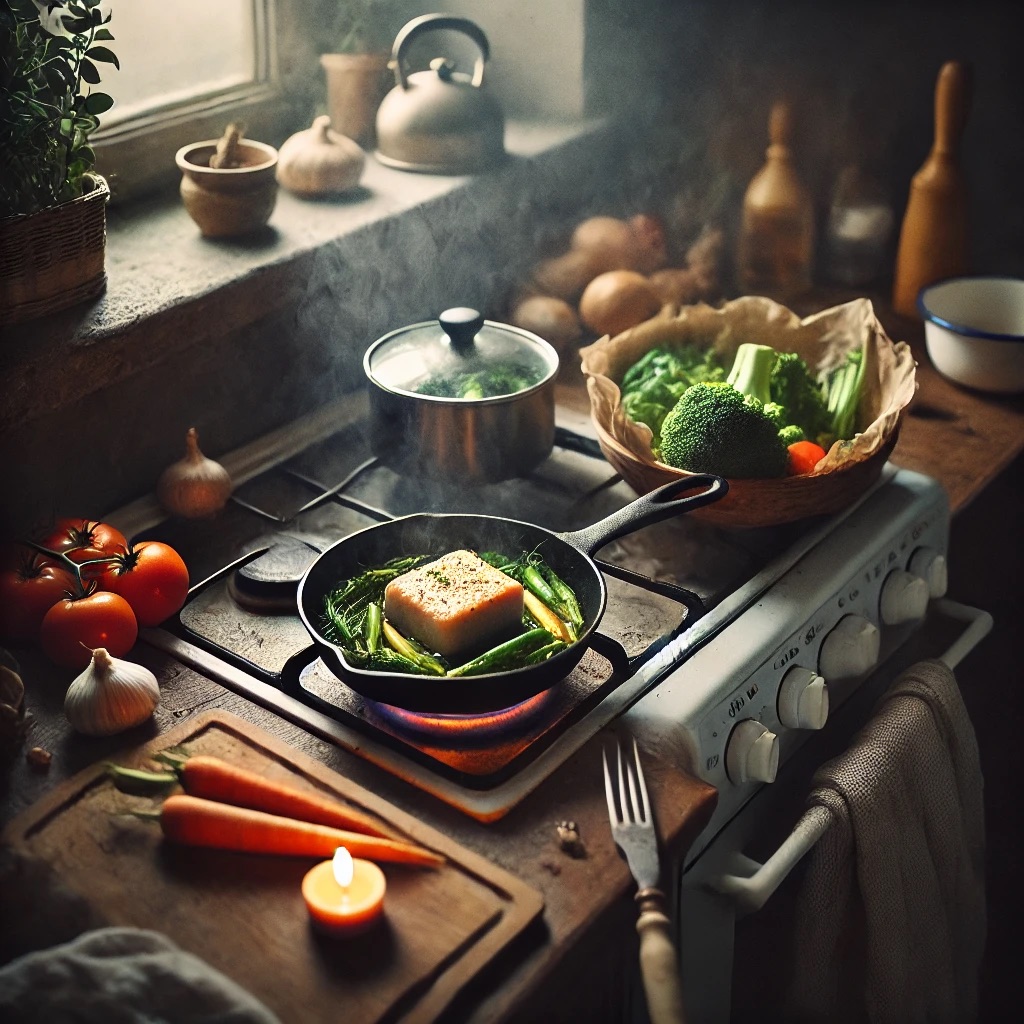
In the world of gastronomy, the importance of presentation cannot be overstated. Culinary storytelling is an art form that transforms a dish into a narrative, inviting diners to embark on a sensory journey. The way food is plated can evoke emotions, convey cultural significance, and engage all the senses.
The Art of Plating
Plating is more than just arranging food on a plate; it's about creating an experience. It’s an opportunity to express creativity and individuality. A well-plated dish can turn a simple meal into a work of art, drawing diners in and making them curious about the flavors and ingredients.
Visual appeal is crucial in culinary storytelling. The colors, textures, and shapes of the food can tell a story before the first bite is taken. For instance, a dish that features bright, vibrant colors may evoke feelings of freshness and excitement, while a dish with muted tones may suggest comfort or nostalgia.
Creating a Narrative Through Ingredients
Every ingredient has a story to tell. By choosing specific ingredients and combining them thoughtfully, chefs can convey a narrative. Regional ingredients can reflect the culture and history of a place, while seasonal ingredients can tell a story of time and place.
Consider a dish that features locally sourced vegetables, herbs, and proteins. The choice to use these ingredients not only supports local farmers but also creates a narrative of sustainability and community. By plating these ingredients in a way that highlights their natural beauty, a chef can create a visual representation of their commitment to local sourcing.
Techniques for Effective Plating
There are various techniques that chefs can employ to enhance their plating skills and tell a compelling story through their dishes.
- White Space: Utilizing negative space can draw attention to the main components of the dish. A cluttered plate can overwhelm the viewer, while a minimalist approach can create focus and elegance.
- Height: Adding height to a plate can create visual interest. Stacking ingredients or using vertical elements can add drama and excitement to the presentation.
- Color Contrast: Playing with contrasting colors can make a dish pop. For example, pairing vibrant greens with deep reds can create a striking visual effect.
- Textures: Incorporating various textures can enhance the eating experience. A dish that combines creamy, crunchy, and chewy elements can create a delightful contrast on the palate.
Incorporating Cultural Elements
Culinary storytelling can also be enriched by incorporating cultural elements into the plating. This can be achieved by using traditional serving dishes, garnishes, or even the arrangement of food that reflects a specific culture.
For instance, serving a Thai curry in a banana leaf can evoke the traditional way of serving food in Thailand, while using a wooden board for a charcuterie can reflect rustic European dining styles. These thoughtful choices not only enhance the visual appeal but also deepen the connection between the food and its cultural roots.
Telling a Personal Story
Chefs often draw inspiration from their own experiences, family traditions, and memories. By incorporating personal elements into their plating, they can create a unique narrative that resonates with diners.
For example, a dish that features a family recipe passed down through generations can be plated in a way that reflects its history. Using vintage china or incorporating symbolic garnishes can enhance the storytelling aspect, making the meal more than just food; it becomes a shared experience.
Engaging the Senses
Effective culinary storytelling engages all five senses. The sight of a beautifully plated dish is only the beginning. The aromas, textures, sounds, and flavors all contribute to the overall experience.
Chefs can create a multisensory experience by considering how the dish will be perceived beyond sight. For example, a dish that sizzles when served can create excitement and anticipation. The sound of crunching or slurping can evoke memories and emotions, further enhancing the storytelling aspect.
Conclusion
In conclusion, culinary storytelling through plating is an essential aspect of the dining experience. It allows chefs to convey narratives, evoke emotions, and create connections between food and culture. By thoughtfully considering the presentation of a dish, chefs can transform a simple meal into a story that resonates with diners. Whether it's through the choice of ingredients, plating techniques, or personal touches, every dish has the potential to tell a unique and compelling story.
As diners, we are encouraged to appreciate not just the flavors of the food but also the stories behind it. The next time you sit down to a beautifully plated meal, take a moment to consider the narrative unfolding on your plate.
Related articles
 Elevate Your Dining Experience
Mastering Food Presentation Techniques
Elevate Your Dining Experience
Mastering Food Presentation Techniques
 10 Essential Plating Techniques to Wow Your Guests
 The Art of Plating
Transforming Simple Dishes into Culinary Masterpieces
The Art of Plating
Transforming Simple Dishes into Culinary Masterpieces
 Color and Texture
Key Elements of Stunning Food Presentation
Color and Texture
Key Elements of Stunning Food Presentation
 Plating 101
Tips and Tricks for Home Chefs
Plating 101
Tips and Tricks for Home Chefs
 From Plate to Palette
How to Create Visual Feast
From Plate to Palette
How to Create Visual Feast
 Minimalism on a Plate
The Beauty of Simple Food Presentation
Minimalism on a Plate
The Beauty of Simple Food Presentation
 Layering Flavors
Creative Plating Techniques for Gourmet Meals
Layering Flavors
Creative Plating Techniques for Gourmet Meals
 The Science of Plating
How Presentation Affects Taste Perception
The Science of Plating
How Presentation Affects Taste Perception
 Artful Arrangements
Mastering the Craft of Food Presentation
Artful Arrangements
Mastering the Craft of Food Presentation
 Plating Techniques Inspired by Michelin-Starred Restaurants
 The Importance of Negative Space in Food Presentation
 How to Use Garnishes for Stunning Food Presentation
 Creating Height in Your Plating
Techniques for Eye-Catching Dishes
Creating Height in Your Plating
Techniques for Eye-Catching Dishes
 The Power of Sauces
Techniques for Drizzling and Dashing
The Power of Sauces
Techniques for Drizzling and Dashing
 Seasonal Ingredients and Their Role in Beautiful Food Presentation
 Cultural Influences in Food Presentation Styles Around the World
 Plating for Special Occasions
Impressing Guests with Style
Plating for Special Occasions
Impressing Guests with Style
 Food Presentation Mistakes to Avoid
Tips for Home Chefs
Food Presentation Mistakes to Avoid
Tips for Home Chefs
 Sustainable Plating
Eco-Friendly Techniques for Food Presentation
Sustainable Plating
Eco-Friendly Techniques for Food Presentation
 The Role of Color Theory in Food Presentation
Making Dishes Pop
The Role of Color Theory in Food Presentation
Making Dishes Pop
 Plating Techniques for Different Cuisines
A Global Perspective
Plating Techniques for Different Cuisines
A Global Perspective
 How to Use Edible Flowers for Elegant Food Presentation
 Creating a Dining Experience
The Art of Plating and Ambiance
Creating a Dining Experience
The Art of Plating and Ambiance
 Serving Up Style
Tableware Choices That Enhance Food Presentation
Serving Up Style
Tableware Choices That Enhance Food Presentation
 Plating Techniques for Desserts
Sweet Presentations That Impress
Plating Techniques for Desserts
Sweet Presentations That Impress
 Harnessing the Power of Contrast in Food Presentation
 Plating Like a Pro
Tips from Renowned Chefs
Plating Like a Pro
Tips from Renowned Chefs
 The Role of Lighting in Food Presentation
How to Set the Mood
The Role of Lighting in Food Presentation
How to Set the Mood
 DIY Food Presentation
Creative Ways to Plate at Home
DIY Food Presentation
Creative Ways to Plate at Home
 Plating Techniques for Buffets
Making a Feast Visually Appealing
Plating Techniques for Buffets
Making a Feast Visually Appealing
 How to Tell a Story Through Your Food Presentation
 The Future of Food Presentation
Trends to Watch
The Future of Food Presentation
Trends to Watch
 Creating a Signature Plating Style
Finding Your Unique Voice
Creating a Signature Plating Style
Finding Your Unique Voice
Food Presentation for Kids
Making Meals Fun and Engaging
The Psychology of Food Presentation
How Looks Can Influence Taste
Plating Techniques for Vegan and Vegetarian Dishes
The Role of Texture in Food Presentation
Crunch, Cream, and More
Plating Techniques for Home Entertaining
Impressing Friends and Family
Artisanal Plating
Incorporating Handmade Elements into Your Presentation
Mastering the Use of Compotes and Coulis in Food Presentation
Plating Techniques for Appetizers
Small Bites, Big Impressions
How to Plate Like a Chef
A Step-by-Step Guide
Food Presentation for the Holidays
Festive Plating Ideas
The Importance of Balance in Food Presentation
A Harmonious Plate
Innovative Plating Techniques for Modern Cuisine
Food Presentation as Art
Exploring Culinary Creativity
The Secrets Behind Instagram-Worthy Food Presentation
Taking Plating to the Next Level
Advanced Techniques for Enthusiasts
Plating with Purpose
Creating Meaningful Culinary Experiences
Categories