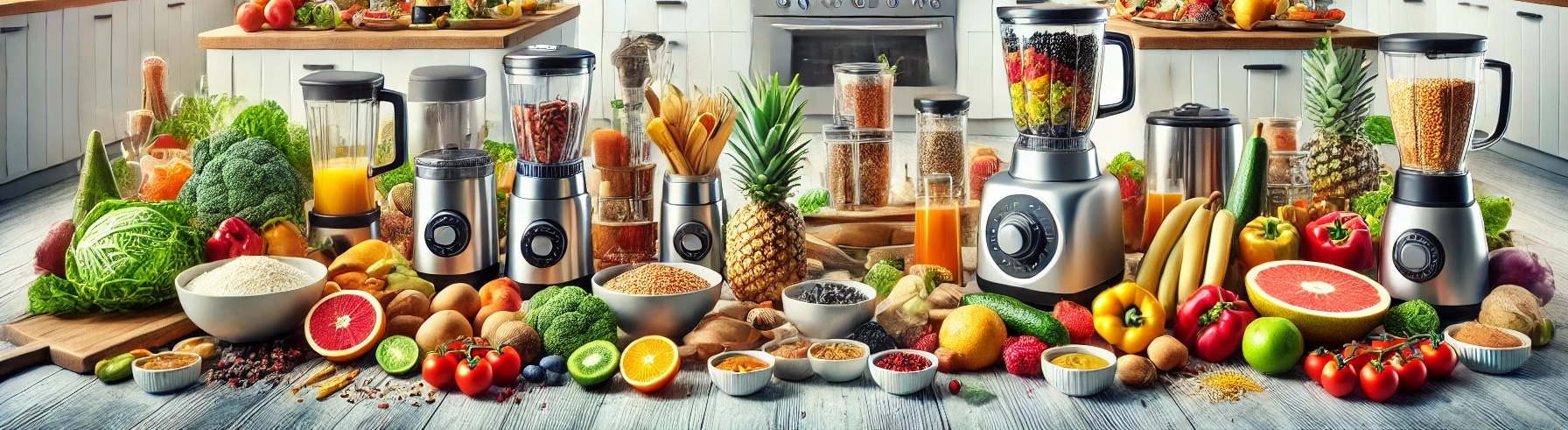
The art of cooking
AI CHEF Blog

Gastronomy and Aesthetics: The Intersection of Food and Art
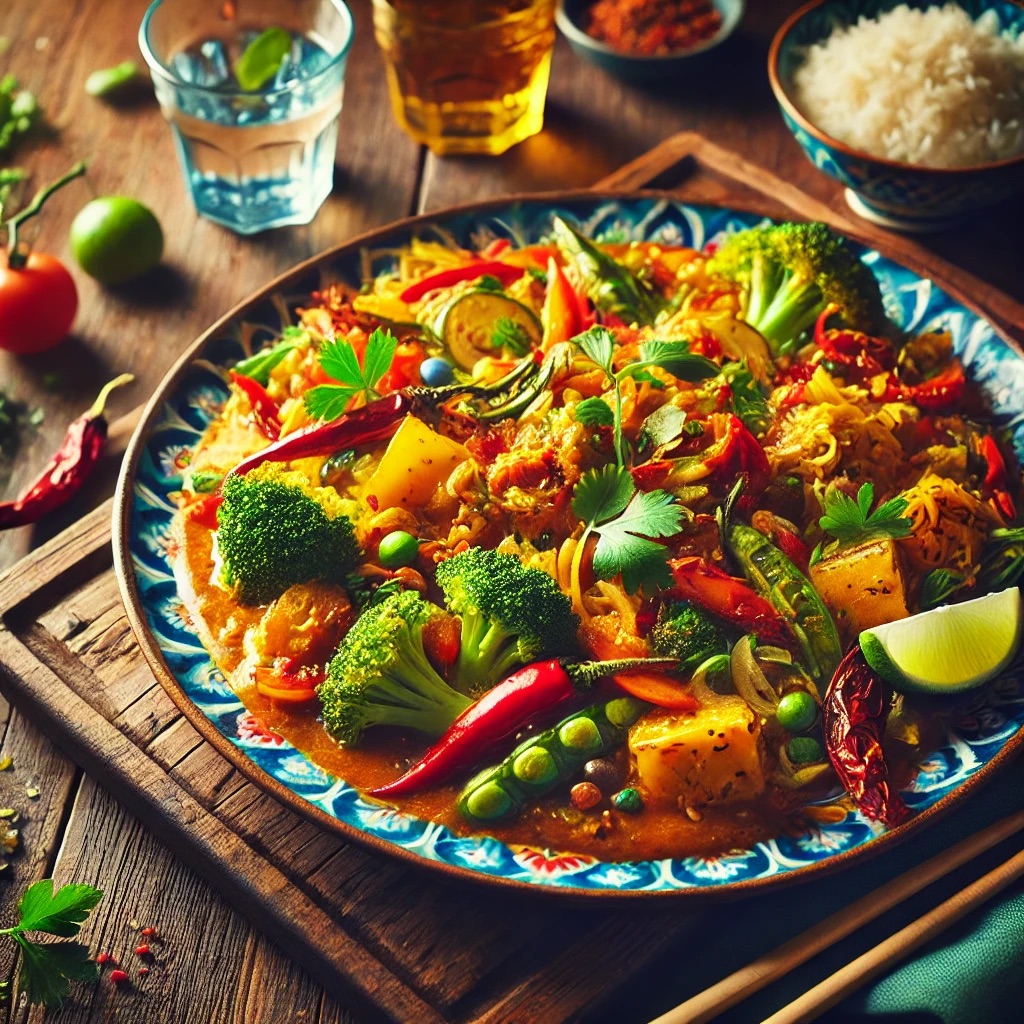
Food is a universal language, transcending cultures and connecting people through shared experiences. But beyond its role as sustenance, food has evolved into a form of art, with chefs and culinary artists around the world pushing the boundaries of creativity, presentation, and flavor. This blog post explores the fascinating intersection of gastronomy and aesthetics, where food becomes not just a meal, but a canvas for artistic expression.
The Art of Presentation
One of the most striking aspects of modern gastronomy is the emphasis on presentation. The visual appeal of a dish can be as crucial as its taste. A beautifully plated meal can evoke emotions, spark conversations, and create lasting memories. From the intricate designs on a dessert to the vibrant colors of a salad, the aesthetics of food play a significant role in our dining experience.
Chefs like Grant Achatz, known for his work at Alinea in Chicago, take presentation to the next level. Achatz creates dishes that challenge traditional norms, often incorporating unexpected elements that surprise and delight diners. His use of color, texture, and composition transforms each plate into a work of art, inviting guests to appreciate not just the flavors, but the entire sensory experience.
Food as a Medium for Artistic Expression
Just as painters use brushes and canvases, culinary artists use ingredients and techniques to create their masterpieces. The kitchen becomes a studio where chefs experiment with flavors, textures, and presentations. Molecular gastronomy, for instance, is a culinary movement that combines science and cooking, allowing chefs to manipulate ingredients in innovative ways.
Consider the work of Ferran Adrià, the former head chef of El Bulli in Spain. Adrià revolutionized the culinary world by deconstructing traditional dishes and reimagining them using avant-garde techniques. His creations, like the famous "spherical olive," blur the lines between food and art, challenging our perceptions of what a meal can be.
The Role of Culture and Tradition
While modern gastronomy often focuses on innovation, it is essential to recognize the role of culture and tradition in the aesthetics of food. Many culinary artists draw inspiration from their heritage, incorporating traditional techniques and flavors into their work. This fusion of the old and the new creates a rich tapestry of culinary experiences that reflect the diversity of human culture.
Cuisines around the world are steeped in history and tradition. Japanese kaiseki, for example, is a multi-course dining experience that emphasizes seasonality and presentation. Each dish is meticulously prepared and presented, showcasing the beauty of the ingredients. The artful arrangement of food on the plate mirrors the aesthetics of Japanese culture, where simplicity and harmony are valued.
The Psychological Impact of Food Aesthetics
The aesthetics of food can also have a profound psychological impact on our dining experience. Studies have shown that the visual appeal of a meal can influence our perception of its taste. When we see a beautifully presented dish, our expectations rise, leading to a more enjoyable dining experience.
Moreover, the act of photographing food has become a cultural phenomenon, particularly with the rise of social media. Platforms like Instagram have created a space where food and aesthetics intersect, allowing diners to share their culinary experiences with a global audience. This has led to the rise of “foodstagramming,” where the visual appeal of a dish often takes precedence over its taste, further blurring the lines between gastronomy and art.
Art Installations and Food
The relationship between food and art extends beyond the kitchen and dining table. Artists around the world have begun to explore food as a medium for their work, creating installations that challenge our perceptions of consumption and sustainability. For instance, artist Claes Oldenburg is known for his oversized sculptures of everyday food items, transforming them into larger-than-life works of art.
Another notable example is the work of Danish artist Jeppe Hein, who created a series of interactive installations that involve food. His works encourage viewers to engage with food in unconventional ways, prompting them to reconsider the role of food in their lives.
Conclusion: The Future of Gastronomy and Aesthetics
As we move forward, the intersection of gastronomy and aesthetics will continue to evolve. The culinary world is embracing innovation, creativity, and sustainability, with chefs experimenting with new techniques and flavors. The emphasis on presentation and visual appeal will remain a significant aspect of our dining experiences, as we seek not just nourishment but also beauty and artistry in our food.
Ultimately, gastronomy and aesthetics remind us that food is more than just fuel; it is a form of expression that connects us to our culture, our history, and each other. As we explore this intersection, we celebrate the creativity and artistry that enrich our lives, one delicious bite at a time.
Related articles
 Elevate Your Dining Experience
Mastering Food Presentation Techniques
Elevate Your Dining Experience
Mastering Food Presentation Techniques
 10 Essential Plating Techniques to Wow Your Guests
 The Art of Plating
Transforming Simple Dishes into Culinary Masterpieces
The Art of Plating
Transforming Simple Dishes into Culinary Masterpieces
 Color and Texture
Key Elements of Stunning Food Presentation
Color and Texture
Key Elements of Stunning Food Presentation
 Plating 101
Tips and Tricks for Home Chefs
Plating 101
Tips and Tricks for Home Chefs
 From Plate to Palette
How to Create Visual Feast
From Plate to Palette
How to Create Visual Feast
 Minimalism on a Plate
The Beauty of Simple Food Presentation
Minimalism on a Plate
The Beauty of Simple Food Presentation
 Layering Flavors
Creative Plating Techniques for Gourmet Meals
Layering Flavors
Creative Plating Techniques for Gourmet Meals
 The Science of Plating
How Presentation Affects Taste Perception
The Science of Plating
How Presentation Affects Taste Perception
 Artful Arrangements
Mastering the Craft of Food Presentation
Artful Arrangements
Mastering the Craft of Food Presentation
 Plating Techniques Inspired by Michelin-Starred Restaurants
 The Importance of Negative Space in Food Presentation
 How to Use Garnishes for Stunning Food Presentation
 Creating Height in Your Plating
Techniques for Eye-Catching Dishes
Creating Height in Your Plating
Techniques for Eye-Catching Dishes
 The Power of Sauces
Techniques for Drizzling and Dashing
The Power of Sauces
Techniques for Drizzling and Dashing
 Seasonal Ingredients and Their Role in Beautiful Food Presentation
 Cultural Influences in Food Presentation Styles Around the World
 Plating for Special Occasions
Impressing Guests with Style
Plating for Special Occasions
Impressing Guests with Style
 Food Presentation Mistakes to Avoid
Tips for Home Chefs
Food Presentation Mistakes to Avoid
Tips for Home Chefs
 Sustainable Plating
Eco-Friendly Techniques for Food Presentation
Sustainable Plating
Eco-Friendly Techniques for Food Presentation
 The Role of Color Theory in Food Presentation
Making Dishes Pop
The Role of Color Theory in Food Presentation
Making Dishes Pop
 Plating Techniques for Different Cuisines
A Global Perspective
Plating Techniques for Different Cuisines
A Global Perspective
 How to Use Edible Flowers for Elegant Food Presentation
 Creating a Dining Experience
The Art of Plating and Ambiance
Creating a Dining Experience
The Art of Plating and Ambiance
 Serving Up Style
Tableware Choices That Enhance Food Presentation
Serving Up Style
Tableware Choices That Enhance Food Presentation
 Plating Techniques for Desserts
Sweet Presentations That Impress
Plating Techniques for Desserts
Sweet Presentations That Impress
 Harnessing the Power of Contrast in Food Presentation
 Plating Like a Pro
Tips from Renowned Chefs
Plating Like a Pro
Tips from Renowned Chefs
 The Role of Lighting in Food Presentation
How to Set the Mood
The Role of Lighting in Food Presentation
How to Set the Mood
 DIY Food Presentation
Creative Ways to Plate at Home
DIY Food Presentation
Creative Ways to Plate at Home
 Plating Techniques for Buffets
Making a Feast Visually Appealing
Plating Techniques for Buffets
Making a Feast Visually Appealing
 How to Tell a Story Through Your Food Presentation
 The Future of Food Presentation
Trends to Watch
The Future of Food Presentation
Trends to Watch
 Creating a Signature Plating Style
Finding Your Unique Voice
Creating a Signature Plating Style
Finding Your Unique Voice
Food Presentation for Kids
Making Meals Fun and Engaging
The Psychology of Food Presentation
How Looks Can Influence Taste
Plating Techniques for Vegan and Vegetarian Dishes
The Role of Texture in Food Presentation
Crunch, Cream, and More
Plating Techniques for Home Entertaining
Impressing Friends and Family
Artisanal Plating
Incorporating Handmade Elements into Your Presentation
Mastering the Use of Compotes and Coulis in Food Presentation
Plating Techniques for Appetizers
Small Bites, Big Impressions
How to Plate Like a Chef
A Step-by-Step Guide
Food Presentation for the Holidays
Festive Plating Ideas
The Importance of Balance in Food Presentation
A Harmonious Plate
Innovative Plating Techniques for Modern Cuisine
Food Presentation as Art
Exploring Culinary Creativity
The Secrets Behind Instagram-Worthy Food Presentation
Taking Plating to the Next Level
Advanced Techniques for Enthusiasts
Plating with Purpose
Creating Meaningful Culinary Experiences
Categories