The art of cooking
AI CHEF Blog

The Ultimate Guide to Baking Basics: Mastering Essential Techniques
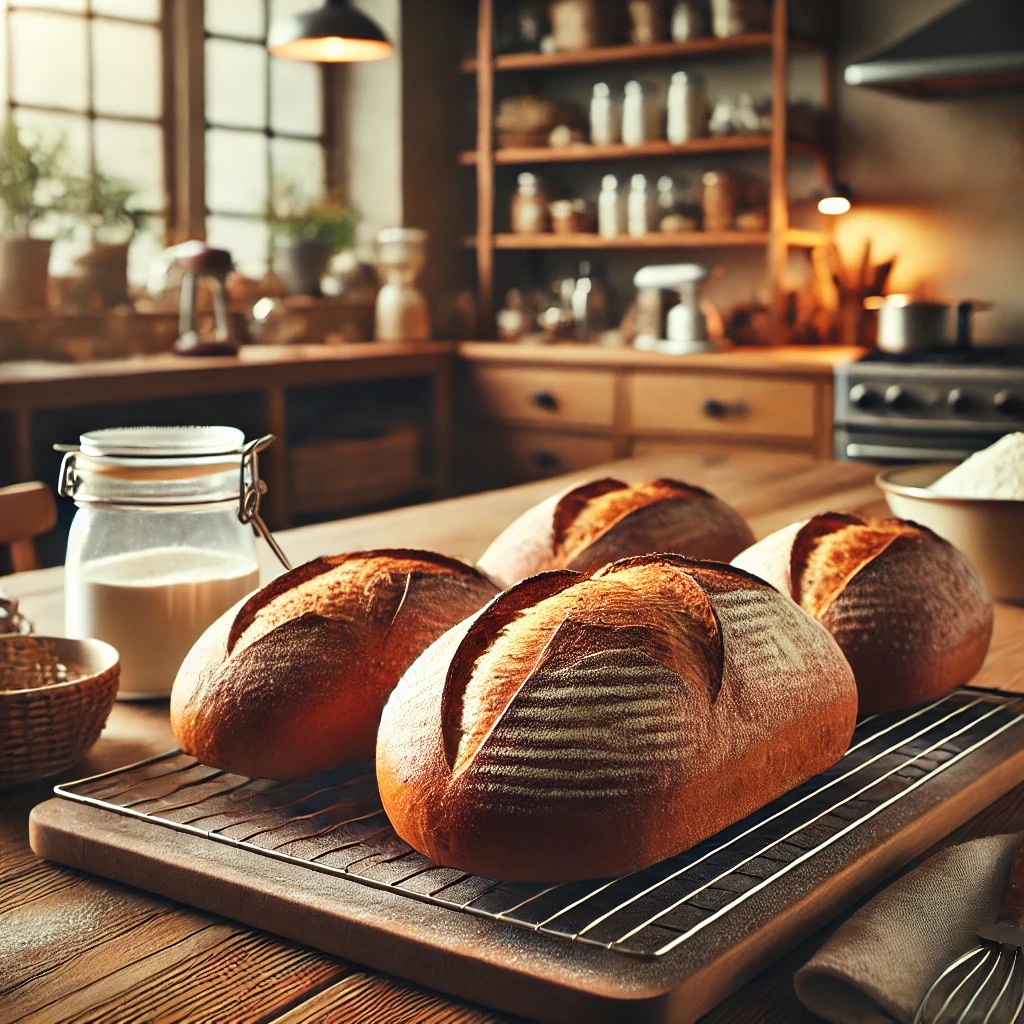
Baking is both an art and a science, requiring precision, patience, and practice. Whether you’re a novice baker or looking to refine your skills, mastering the basics of baking is essential for creating delicious and visually appealing baked goods. In this ultimate guide, we will explore essential baking techniques, commonly used ingredients, and tips for success in the kitchen.
Understanding Baking Ingredients
Before diving into techniques, it’s crucial to understand the role of different ingredients in baking.
-
Flour: The foundation of most baked goods, flour provides structure. Different types of flour (all-purpose, whole wheat, cake flour) have varying protein contents, which affect the texture of your final product.
-
Sugar: Not only does sugar sweeten, but it also contributes to browning and moisture retention. Granulated sugar, brown sugar, and powdered sugar each have unique properties and uses.
-
Leavening Agents: These are substances that help baked goods rise. Baking soda and baking powder are the most common leaveners. Understanding when to use each is key to achieving the right texture.
-
Fats: Butter, margarine, and oils add flavor and moisture. The type and temperature of fat can significantly impact your baked goods. For instance, creaming butter and sugar together creates air pockets that help leaven cakes.
-
Eggs: Eggs provide structure, moisture, and richness. They also help with leavening and emulsification. Different recipes might call for whole eggs, egg whites, or egg yolks, each serving a specific purpose.
-
Liquid: Milk, water, and other liquids hydrate the dry ingredients, allowing gluten to develop and creating a cohesive dough or batter.
-
Flavorings: Vanilla, spices, citrus zest, and extracts enhance the taste of baked goods. Don’t underestimate the impact of a good quality flavoring!
Essential Baking Techniques
Now that you understand the ingredients, let’s explore the essential baking techniques you need to master.
1. Measuring Ingredients
Accurate measurement is critical in baking. Use dry measuring cups for dry ingredients (flour, sugar) and liquid measuring cups for wet ingredients (milk, water). Always level off dry ingredients with a straight edge for precision.
2. Mixing Techniques
- Creaming: This involves beating butter and sugar together until light and fluffy. This process incorporates air, creating a light texture in cakes and cookies.
- Folding: A gentle mixing technique used to combine delicate ingredients (like whipped cream or beaten egg whites) without deflating them.
- Kneading: Necessary for bread making, kneading develops gluten, giving bread its structure. Knead dough until it’s smooth and elastic.
- Whisking: Used to incorporate air into eggs or cream. A whisk can also help combine dry ingredients evenly.
3. Baking Techniques
- Preheating the Oven: Always preheat your oven to the required temperature before placing your baked goods inside. This ensures even cooking and proper rising.
- Using Parchment Paper: Lining baking pans with parchment paper prevents sticking and ensures easy removal of baked items.
- Rotating Pans: To ensure even baking, rotate your pans halfway through the baking time, especially if your oven has hot spots.
- Testing for Doneness: Use the toothpick test—insert a toothpick into the center of your cake; if it comes out clean or with a few crumbs, your cake is done.
4. Cooling and Storing
Proper cooling is essential for maintaining texture and flavor. Allow baked goods to cool in their pans for about 10 minutes before transferring them to a wire rack. This prevents sogginess. Store baked goods in airtight containers to keep them fresh.
Tips for Baking Success
- Read the Recipe Thoroughly: Before starting, read the entire recipe. This will help you understand the steps and avoid mistakes.
- Room Temperature Ingredients: Many recipes call for room temperature ingredients (like eggs and butter) for better mixing and texture.
- Don’t Rush: Baking requires patience. Take your time with each step for the best results.
- Practice Makes Perfect: Don’t be discouraged by failures. Each attempt is a learning experience that will improve your skills.
- Experiment: Once you are comfortable with basic techniques, feel free to experiment with flavors and ingredients to create your own unique recipes.
Conclusion
Mastering the basics of baking is an incredibly rewarding journey. With the right knowledge, techniques, and a bit of practice, you can create delightful treats that impress family and friends. Remember, every great baker started off as a novice. Embrace the process, learn from your mistakes, and most importantly, have fun in the kitchen. Happy baking!
Related articles
 The Ultimate Guide to Baking Basics
Mastering Essential Techniques
 10 Essential Techniques Every Pastry Chef Should Know
 Perfect Pastries
Key Baking Techniques for Beginners
 Understanding Dough
Essential Techniques for Flaky Pastries
 Knead to Know
The Basics of Bread and Pastry Baking
 Whisk It Right
Essential Mixing Techniques for Pastry Perfection
 Rolling Out Success
Techniques for Perfect Pastry Dough
 The Science of Baking
Essential Techniques for Pastry Lovers
 Folding and Layering
Essential Techniques for Puff Pastry
 Chilling Out
The Importance of Temperature in Baking Pastries
 Baking Basics
The Art of Pie Crusts and Tarts
 From Batter to Bake
Essential Techniques for Cakes and Pastries
 Pastry Creams and Fillings
Mastering the Basics
 Baking with Confidence
Essential Techniques for Home Bakers
 Perfecting Pâte à Choux
Essential Techniques for Cream Puffs
 Eggs-actly Right
The Role of Eggs in Baking Pastries
 Sugar and Spice
Essential Flavoring Techniques for Pastries
 Baking Essentials
Tools and Techniques for Perfect Pastries
 The Magic of Pastry
Essential Techniques for Beginners
 Sifting Through Basics
The Importance of Flour in Pastry Baking
 Essential Pastry Techniques
From Shortcrust to Choux
 Gilding the Lily
Finishing Techniques for Beautiful Pastries
 Baking Basics
Essential Techniques for Gluten-Free Pastries
 Layering Flavors
Essential Techniques for Pastry Fillings
 Finding the Right Balance
Essential Pastry Ratios and Techniques
 The Secret to Perfect Pastries
Essential Techniques Unveiled
 Baking Basics Bootcamp
Essential Techniques for Aspiring Pastry Chefs
 Decoding Dough
Essential Techniques for Different Types of Pastries
 Pastry Perfection
Essential Techniques for Flavors and Textures
 The Art of Pastry
Essential Techniques for Home Bakers
 Baking Basics
Essential Techniques for Seasonal Pastries
 Pastry Techniques 101
From Mixing to Baking
 The Perfect Bake
Essential Techniques for Timing and Temperature
 Baking Like a Pro
Essential Techniques for Homemade Pastries
Essential Techniques for Crafting Beautiful Pastry Shapes
Baking with Love
Essential Techniques for Family-Favorite Pastries
Pastry Science
Essential Techniques for Consistent Results
Troubleshooting Pastry Baking
Essential Techniques for Common Issues
Transforming Ingredients
Essential Techniques for Unique Pastries
Baking Basics Unlocked
Essential Techniques for Every Baker
The Joy of Baking
Essential Techniques for Delicious Pastries
Categories