The art of cooking
AI CHEF Blog

From Batter to Bake: Essential Techniques for Cakes and Pastries
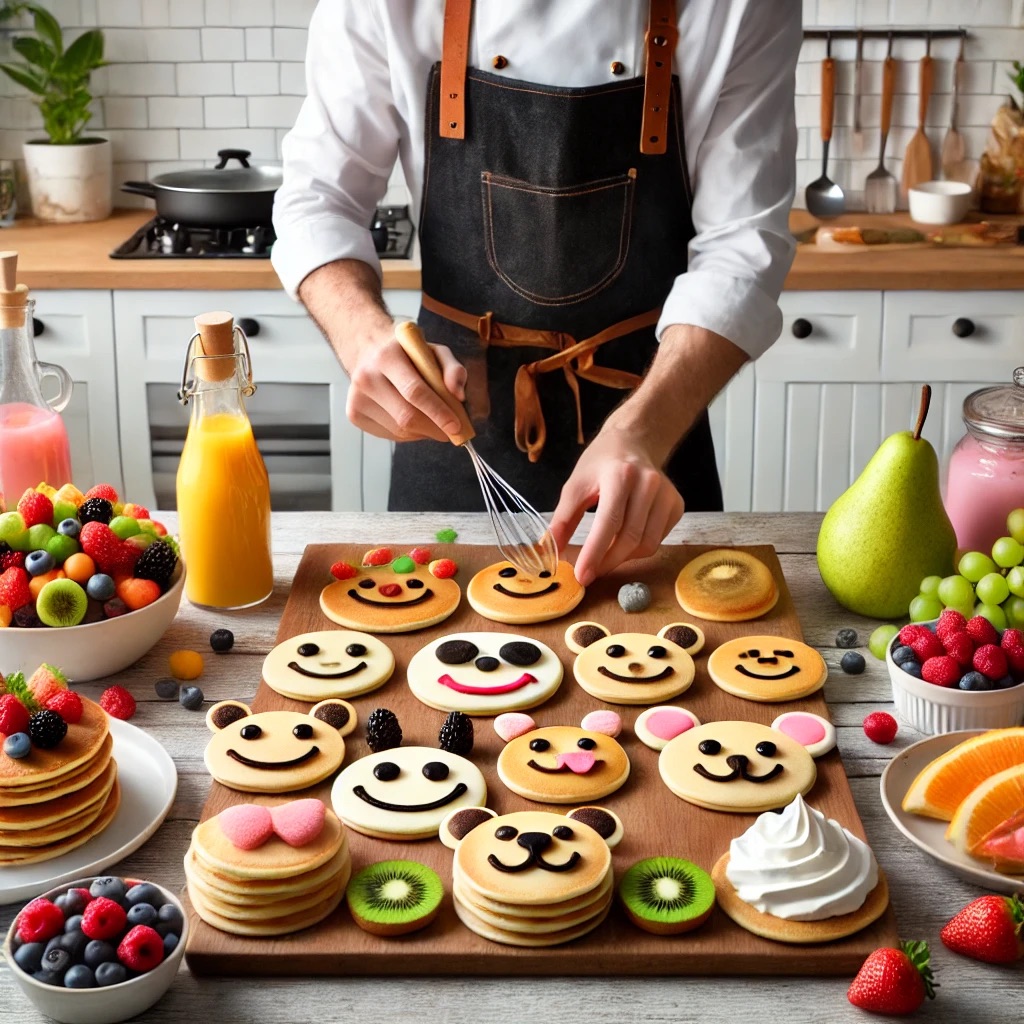
Baking is both an art and a science, and mastering the techniques involved in creating delicious cakes and pastries can elevate your culinary skills to new heights. Whether you're a novice baker or an experienced pastry chef, there are fundamental principles that can guide you through the process from batter to bake. In this blog post, we will explore the essential techniques for crafting beautiful and delectable cakes and pastries, covering everything from ingredient selection to baking methods and finishing touches.
Understanding Ingredients
The foundation of any baked good lies in its ingredients. Each component plays a vital role in the final product, and understanding their functions can significantly impact your baking.
-
Flour: The backbone of most pastries and cakes, flour provides structure. Different types of flour (all-purpose, cake flour, bread flour) contain varying levels of protein, which affects the texture of the final product. For cakes, cake flour is often preferred due to its lower protein content, resulting in a tender crumb.
-
Sugar: Beyond sweetness, sugar contributes to the texture and color of baked goods. Granulated sugar is commonly used, but brown sugar adds moisture and a distinct flavor due to its molasses content. Don’t forget that sugar also helps with aeration when creamed with butter.
-
Fats: Butter, oil, and shortening each bring unique qualities to cakes and pastries. Butter provides rich flavor and helps create a flaky texture, while oil can result in a moist cake. Knowing when to use each type of fat is crucial.
-
Eggs: Eggs act as a binding agent, providing structure and moisture. They also help with leavening; when whipped, they incorporate air, contributing to the cake’s rise.
-
Leavening Agents: Baking powder and baking soda are essential for creating lift in your baked goods. Understanding how these agents work in relation to acidity and moisture levels is key to achieving the desired rise.
-
Liquids: Milk, water, and other liquids hydrate the dry ingredients and help with the development of gluten, which affects the texture. Be mindful of the temperature of your liquids, as warm liquids can help dissolve sugar and activate yeast more effectively.
Mixing Techniques
Mixing is where the magic begins. The method you use can greatly affect the outcome of your baked goods.
-
Creaming: This technique involves beating butter and sugar together until light and fluffy. This process incorporates air, which helps leaven the cake. It’s crucial to use softened butter for the best results.
-
Folding: A gentle method used to incorporate delicate ingredients (like whipped cream or egg whites) into a batter without deflating it. Use a spatula to cut through the mixture and lift it over, rotating the bowl as you go.
-
Beating: This method is used for incorporating air into the batter, particularly with eggs. Beating can be done by hand or with an electric mixer, and it’s important to beat until just combined to avoid overmixing.
-
Sifting: Sifting flour and dry ingredients helps to aerate them and break up any clumps. It also ensures even distribution of leavening agents.
-
Whisking: This technique is essential for incorporating air into your mixtures, especially for batters that need a light texture. A balloon whisk is ideal for this purpose.
The Importance of Temperature
Temperature plays a critical role in baking. Here’s what to keep in mind:
-
Room Temperature Ingredients: Many recipes call for room temperature butter, eggs, and other ingredients. This ensures even mixing and better incorporation of air.
-
Oven Temperature: Preheating your oven is non-negotiable. An oven that’s not hot enough can lead to dense cakes, as the leavening agents won’t work effectively. Use an oven thermometer to ensure accuracy.
-
Cooling: Allow your cakes and pastries to cool properly. Baking continues even after you take them out of the oven, so letting them sit for a few minutes before transferring them to a cooling rack is essential for maintaining their structure.
Baking Techniques
Once your batter is mixed and ready, it’s time to bake. Here are some essential baking techniques to keep in mind:
-
Pans and Liners: Use the correct type of pan for your recipe. Dark pans absorb more heat, while light-colored pans reflect it. Always line your pans with parchment paper or grease them to prevent sticking.
-
Baking Times: Every oven is different, so keep an eye on your baked goods as they approach the end of the recommended baking time. A toothpick inserted into the center should come out clean or with a few moist crumbs.
-
Rotating: If your oven has hot spots, rotating your cakes halfway through baking can help ensure even cooking.
-
Steam Baking: For certain pastries, adding steam to the oven can create a crispier crust. You can achieve this by placing a pan of water in the oven or spraying water into the oven at the beginning of baking.
Finishing Touches
The final steps in your baking process can elevate your cakes and pastries significantly:
-
Glazing and Frosting: A well-applied glaze or frosting can add flavor and visual appeal. Consider the texture and temperature of your baked goods before applying any toppings.
-
Decorating: Don’t be afraid to get creative! Fresh fruits, edible flowers, or chocolate shavings can all enhance the presentation of your cakes and pastries.
-
Serving: Pay attention to how you cut and serve your baked goods. A clean knife helps maintain the integrity of your layers.
Conclusion
Baking cakes and pastries is a rewarding and enjoyable process that requires attention to detail and practice. By mastering these essential techniques, from understanding ingredients to perfecting your baking methods, you’ll be well on your way to creating delicious treats that will impress your family and friends. Remember, every great baker started from the beginning, so don’t be afraid to experiment, learn, and most importantly, enjoy the process of baking! Happy baking!
Related articles
 The Ultimate Guide to Baking Basics
Mastering Essential Techniques
 10 Essential Techniques Every Pastry Chef Should Know
 Perfect Pastries
Key Baking Techniques for Beginners
 Understanding Dough
Essential Techniques for Flaky Pastries
 Knead to Know
The Basics of Bread and Pastry Baking
 Whisk It Right
Essential Mixing Techniques for Pastry Perfection
 Rolling Out Success
Techniques for Perfect Pastry Dough
 The Science of Baking
Essential Techniques for Pastry Lovers
 Folding and Layering
Essential Techniques for Puff Pastry
 Chilling Out
The Importance of Temperature in Baking Pastries
 Baking Basics
The Art of Pie Crusts and Tarts
 From Batter to Bake
Essential Techniques for Cakes and Pastries
 Pastry Creams and Fillings
Mastering the Basics
 Baking with Confidence
Essential Techniques for Home Bakers
 Perfecting Pâte à Choux
Essential Techniques for Cream Puffs
 Eggs-actly Right
The Role of Eggs in Baking Pastries
 Sugar and Spice
Essential Flavoring Techniques for Pastries
 Baking Essentials
Tools and Techniques for Perfect Pastries
 The Magic of Pastry
Essential Techniques for Beginners
 Sifting Through Basics
The Importance of Flour in Pastry Baking
 Essential Pastry Techniques
From Shortcrust to Choux
 Gilding the Lily
Finishing Techniques for Beautiful Pastries
 Baking Basics
Essential Techniques for Gluten-Free Pastries
 Layering Flavors
Essential Techniques for Pastry Fillings
 Finding the Right Balance
Essential Pastry Ratios and Techniques
 The Secret to Perfect Pastries
Essential Techniques Unveiled
 Baking Basics Bootcamp
Essential Techniques for Aspiring Pastry Chefs
 Decoding Dough
Essential Techniques for Different Types of Pastries
 Pastry Perfection
Essential Techniques for Flavors and Textures
 The Art of Pastry
Essential Techniques for Home Bakers
 Baking Basics
Essential Techniques for Seasonal Pastries
 Pastry Techniques 101
From Mixing to Baking
 The Perfect Bake
Essential Techniques for Timing and Temperature
 Baking Like a Pro
Essential Techniques for Homemade Pastries
Essential Techniques for Crafting Beautiful Pastry Shapes
Baking with Love
Essential Techniques for Family-Favorite Pastries
Pastry Science
Essential Techniques for Consistent Results
Troubleshooting Pastry Baking
Essential Techniques for Common Issues
Transforming Ingredients
Essential Techniques for Unique Pastries
Baking Basics Unlocked
Essential Techniques for Every Baker
The Joy of Baking
Essential Techniques for Delicious Pastries
Categories


