The art of cooking
AI CHEF Blog

Sugar and Spice: Essential Flavoring Techniques for Pastries
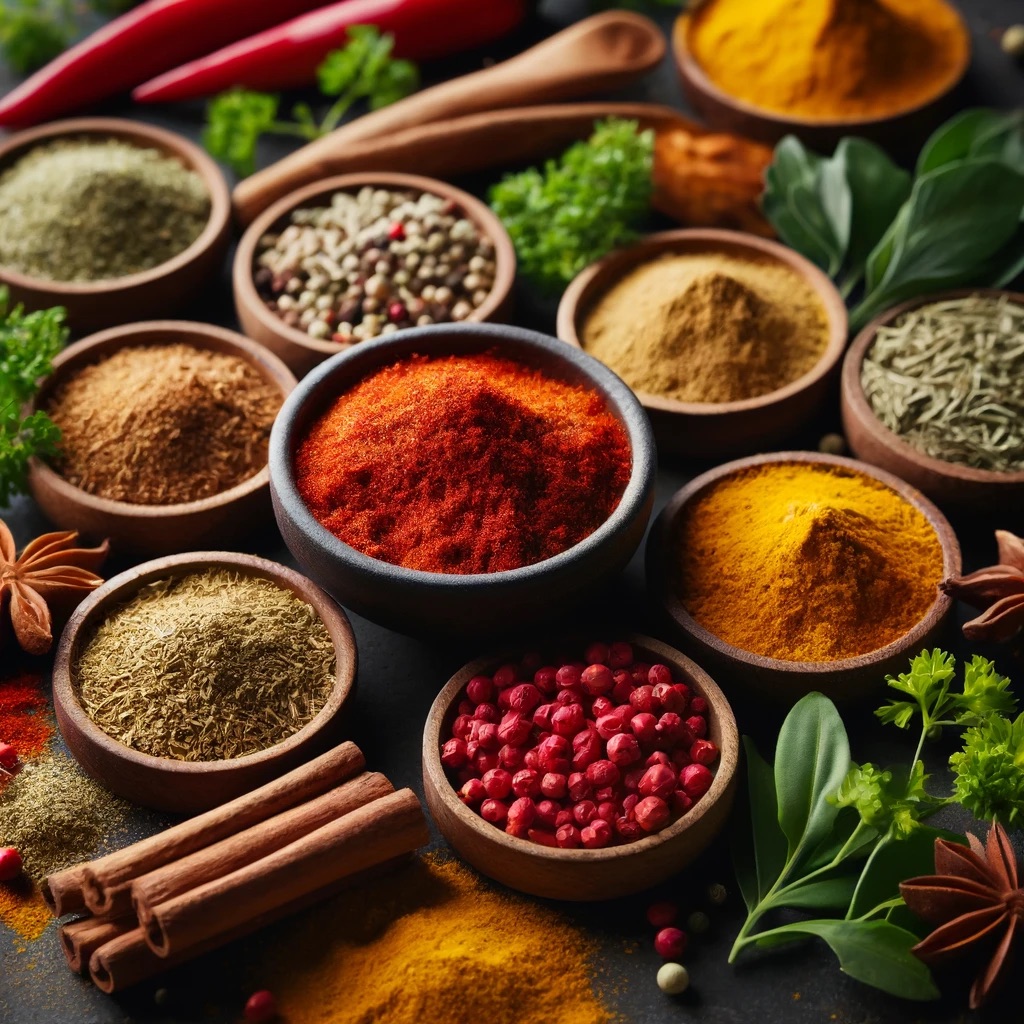
When it comes to baking pastries, the art of flavoring is as important as the technique itself. The delicate balance of sweetness, spice, and texture can transform a simple dough into an exquisite treat. In this blog post, we will explore essential flavoring techniques that can elevate your pastries from ordinary to extraordinary.
Understanding the Basics of Flavoring
Before we dive into specific techniques, it's important to understand the basic components of flavoring in pastries. Flavor can come from various sources, including:
- Sugars: Different types of sugars (granulated, brown, powdered) can impart distinct flavors and textures. Brown sugar, for instance, adds a hint of molasses, while powdered sugar adds sweetness without bulk.
- Spices: Spices like cinnamon, nutmeg, and cardamom can enhance the flavor profile of pastries, adding warmth and complexity.
- Extracts and Zests: Vanilla extract, almond extract, and citrus zests can provide a burst of flavor that complements the sweetness of the pastry.
- Fruits and Nuts: Fresh fruits, purees, and nuts not only add flavor but also texture, making pastries more interesting.
- Chocolate and Caramel: These rich ingredients can serve as a flavoring base or a finishing touch, providing depth and indulgence.
Essential Flavoring Techniques
1. Infusing Flavors into the Dough
One of the most effective ways to ensure your pastries are bursting with flavor is to infuse the dough itself. Here are some techniques:
- Herb-Infused Butter: Melt butter and add fresh herbs like rosemary or thyme. Let it steep for a while, then strain and use the infused butter in your dough.
- Spice-Infused Sugar: Combine granulated sugar with spices such as cinnamon or cardamom and let it sit for a week. Use this sugar in your pastry recipes for an aromatic kick.
- Citrus Zest: Grate the zest of oranges, lemons, or limes into your dough for a bright, zesty flavor.
2. Flavoring Creams and Fillings
Pastries often feature creams or fillings that can be flavored in numerous ways:
- Vanilla Pastry Cream: Infuse milk with vanilla beans before making pastry cream for a rich flavor.
- Chocolate Ganache: Use different types of chocolate (dark, milk, white) and add flavorings like espresso or liqueur for a unique twist.
- Fruit Purees: Puree fruits such as strawberries, raspberries, or mangoes and fold them into whipped cream or buttercream for a fresh flavor.
3. Glazes and Toppings
The finishing touch on pastries can dramatically affect their overall flavor:
- Simple Syrups: Make flavored simple syrups by boiling equal parts water and sugar with herbs or spices. Brush this syrup on pastries to add moisture and flavor.
- Glazes: Create a glaze using powdered sugar and flavored liquids (like fruit juices or coffee) to drizzle over pastries for added sweetness and flavor.
- Nuts and Seeds: Toasted nuts or seeds can add crunch and flavor when sprinkled on top of pastries.
4. Utilizing Extracts and Oils
Extracts and oils can be powerful tools for enhancing flavor:
- Extracts: A few drops of almond or vanilla extract can elevate your pastry's flavor significantly. However, use them sparingly, as they can overpower other flavors.
- Essential Oils: Food-grade essential oils can be used to add intense flavors. Just a drop of peppermint or lavender oil can transform a simple pastry.
5. Layering Flavors
Layering flavors is a technique that can add depth to your pastries:
- Combine Different Sugars: Use a mix of brown and granulated sugars for your dough or filling, providing a complex sweetness.
- Spice Combinations: Experiment with different spice blends. For example, a chai spice mix can be used in pastries for a warm, aromatic experience.
- Fruit and Spice Pairings: Pair fruits with spices that complement them. For instance, apple pairs well with cinnamon, while peaches can shine with ginger.
Common Flavoring Pitfalls to Avoid
While exploring flavoring techniques, it’s easy to make mistakes. Here are some common pitfalls to watch out for:
- Overpowering Flavors: It’s essential to strike a balance. Too much spice or extract can overwhelm the pastry.
- Neglecting Texture: Flavoring shouldn’t compromise the texture of your pastry. Ensure that added ingredients do not make the dough too wet or heavy.
- Ignoring Seasonality: Use seasonal ingredients to ensure freshness and peak flavor. For example, berries in summer or citrus in winter.
Conclusion
In conclusion, the world of pastry flavoring is vast and exciting. By learning and applying essential flavoring techniques, you can create pastries that not only taste good but also tell a story through their flavors. Whether you are infusing your dough, crafting delicious fillings, or adding a finishing touch with glazes, the right flavoring techniques can make all the difference. So, roll up your sleeves and get ready to experiment with sugar and spice – your taste buds will thank you!
Tags
- Pastry Making
- Flavoring Techniques
- Baking Tips
- Culinary Arts
- Pastry Recipes
- Sweet and Spicy
- Baking Fundamentals
- Flavor Pairings
Related articles
 The Ultimate Guide to Baking Basics
Mastering Essential Techniques
 10 Essential Techniques Every Pastry Chef Should Know
 Perfect Pastries
Key Baking Techniques for Beginners
 Understanding Dough
Essential Techniques for Flaky Pastries
 Knead to Know
The Basics of Bread and Pastry Baking
 Whisk It Right
Essential Mixing Techniques for Pastry Perfection
 Rolling Out Success
Techniques for Perfect Pastry Dough
 The Science of Baking
Essential Techniques for Pastry Lovers
 Folding and Layering
Essential Techniques for Puff Pastry
 Chilling Out
The Importance of Temperature in Baking Pastries
 Baking Basics
The Art of Pie Crusts and Tarts
 From Batter to Bake
Essential Techniques for Cakes and Pastries
 Pastry Creams and Fillings
Mastering the Basics
 Baking with Confidence
Essential Techniques for Home Bakers
 Perfecting Pâte à Choux
Essential Techniques for Cream Puffs
 Eggs-actly Right
The Role of Eggs in Baking Pastries
 Sugar and Spice
Essential Flavoring Techniques for Pastries
 Baking Essentials
Tools and Techniques for Perfect Pastries
 The Magic of Pastry
Essential Techniques for Beginners
 Sifting Through Basics
The Importance of Flour in Pastry Baking
 Essential Pastry Techniques
From Shortcrust to Choux
 Gilding the Lily
Finishing Techniques for Beautiful Pastries
 Baking Basics
Essential Techniques for Gluten-Free Pastries
 Layering Flavors
Essential Techniques for Pastry Fillings
 Finding the Right Balance
Essential Pastry Ratios and Techniques
 The Secret to Perfect Pastries
Essential Techniques Unveiled
 Baking Basics Bootcamp
Essential Techniques for Aspiring Pastry Chefs
 Decoding Dough
Essential Techniques for Different Types of Pastries
 Pastry Perfection
Essential Techniques for Flavors and Textures
 The Art of Pastry
Essential Techniques for Home Bakers
 Baking Basics
Essential Techniques for Seasonal Pastries
 Pastry Techniques 101
From Mixing to Baking
 The Perfect Bake
Essential Techniques for Timing and Temperature
 Baking Like a Pro
Essential Techniques for Homemade Pastries
Essential Techniques for Crafting Beautiful Pastry Shapes
Baking with Love
Essential Techniques for Family-Favorite Pastries
Pastry Science
Essential Techniques for Consistent Results
Troubleshooting Pastry Baking
Essential Techniques for Common Issues
Transforming Ingredients
Essential Techniques for Unique Pastries
Baking Basics Unlocked
Essential Techniques for Every Baker
The Joy of Baking
Essential Techniques for Delicious Pastries
Categories


