The art of cooking
AI CHEF Blog

The Magic of Pastry: Essential Techniques for Beginners
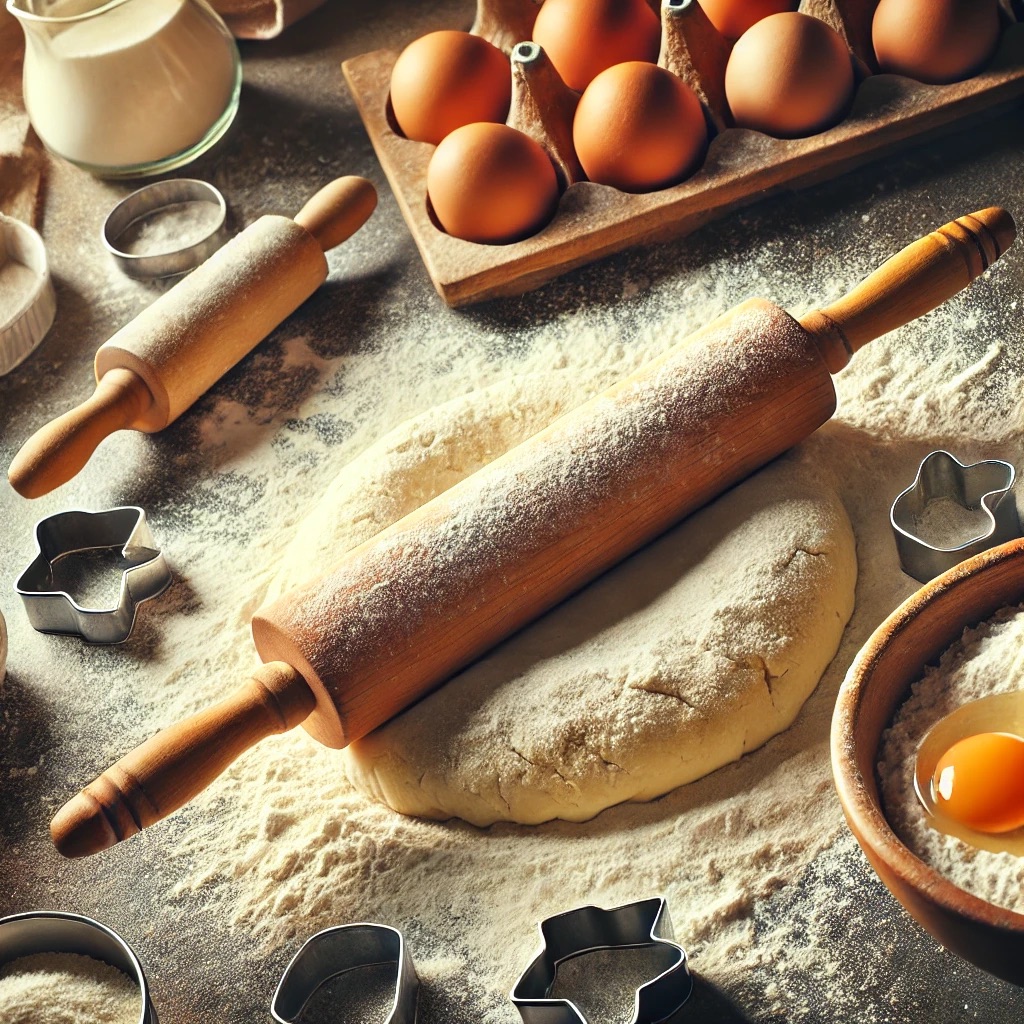
Pastry is a culinary art that has enchanted many with its flaky layers, buttery richness, and the endless possibilities it offers for both sweet and savory dishes. Whether you dream of creating delicate éclairs, flaky croissants, or rich pies, mastering pastry techniques is essential to unleashing your inner baker. In this blog post, we will explore the magic of pastry and provide essential techniques for beginners to get started on their pastry journey.
Understanding the Basics of Pastry
Before diving into the world of pastry, it's essential to understand what pastry is. At its core, pastry is a dough made from flour, fat, water, and sometimes sugar, used as a base or covering for a variety of dishes. There are several types of pastry, including:
- Shortcrust Pastry: This is the most common type used for pies and tarts. It has a crumbly texture due to the high fat content, which creates a rich flavor.
- Puff Pastry: Known for its flaky layers, puff pastry is made by folding layers of dough and butter together, creating a light and airy texture when baked.
- Choux Pastry: This unique pastry is made with water, butter, flour, and eggs, resulting in a light and airy texture. It's used for items like cream puffs and éclairs.
- Filo Pastry: This is a very thin pastry that is layered to create a flaky texture. It's often used in Mediterranean dishes like baklava.
Understanding these types will help you choose the right one for your recipe and ensure success in your baking endeavors.
Essential Techniques for Beginners
1. Measuring Ingredients Accurately
Baking is a science, and precise measurements are crucial for achieving the desired results. Invest in a digital kitchen scale and measuring cups and spoons to ensure accuracy. When measuring flour, spoon it into the measuring cup and level it off with a straight edge instead of scooping directly from the bag, which can lead to packing and excess flour.
2. Understanding the Role of Ingredients
Each ingredient in pastry plays a specific role:
- Flour: Provides structure. All-purpose flour is commonly used, but for certain pastries, you may want to use cake flour for a tender texture.
- Fat: This is what makes pastry flaky and rich. Butter is the most popular choice, but you can also use shortening or lard for different textures.
- Water: Helps to bind the ingredients together. Use cold water to keep the fat solid, which is essential for flaky pastries.
- Sugar: Adds sweetness and can also affect texture. In some pastries, it helps with browning and flavor.
- Eggs: Used for richness and binding in some pastries like choux.
3. Keeping Ingredients Cold
For flaky pastries, temperature is crucial. Keep your butter and water cold to ensure that your fat remains solid as you work the dough. This helps create the desired flaky texture. When making pastry, you can even chill your mixing bowl and utensils to help keep everything cold.
4. Mixing Techniques
How you mix your ingredients greatly affects the final product:
- Cutting in Fat: For shortcrust pastry, cut the cold butter into the flour using a pastry cutter or your fingers until the mixture resembles coarse crumbs. This method helps create a flaky texture.
- Kneading: While you want to avoid overworking the dough, a gentle knead is necessary for some pastries. Knead just until it comes together.
- Folding: For puff pastry, folding the dough several times creates layers. Ensure to chill the dough between folds to keep the fat from melting.
5. Rolling Out Dough
Rolling out dough is an art in itself. Here are some tips for beginners:
- Flour Your Surface: Dust your work surface and rolling pin with flour to prevent sticking. You can also use parchment paper for easier cleanup.
- Even Thickness: Aim for an even thickness throughout the rolled dough. This ensures uniform baking and avoids over or undercooked areas.
- Rotate the Dough: As you roll, rotate the dough a quarter turn to maintain a round shape and prevent sticking.
6. Chilling the Dough
Chilling is a crucial step in pastry making. It helps relax the gluten in the dough, making it easier to roll and shaping it without shrinking. Chill your dough for at least 30 minutes before rolling it out, and if you’re working with puff pastry, chill between folds.
7. Blind Baking
For certain recipes such as tarts, you may need to blind bake the crust to prevent it from becoming soggy. To do this, line your pastry with parchment paper, fill it with pie weights or dried beans, and bake until the edges are lightly golden. This technique ensures a firm base for your filling.
8. Using the Right Tools
Investing in some essential tools can make your pastry-making experience much easier:
- Pastry Cutter: For cutting in fat.
- Rolling Pin: For rolling out dough.
- Bench Scraper: For handling dough and cleaning your work surface.
- Pastry Brush: For egg washes and glazes.
- Pie Weights: For blind baking.
9. Practice Makes Perfect
Like any skill, mastering pastry techniques takes practice. Don’t get discouraged by initial failures; each attempt is a learning opportunity. Start with simple recipes, and as you gain confidence, gradually tackle more complex pastries.
10. Experiment and Have Fun
Finally, don't forget to have fun with your pastry-making journey. Experiment with flavors, fillings, and techniques. Add your personal touch to recipes and make them your own. Baking is as much about creativity as it is about technique.
Conclusion
The magic of pastry lies in its ability to transform simple ingredients into delicious creations that can be enjoyed by all. By mastering these essential techniques, beginners can build a solid foundation for their pastry skills. Remember to take your time, practice, and most importantly, enjoy the process. Happy baking!
Related articles
 The Ultimate Guide to Baking Basics
Mastering Essential Techniques
 10 Essential Techniques Every Pastry Chef Should Know
 Perfect Pastries
Key Baking Techniques for Beginners
 Understanding Dough
Essential Techniques for Flaky Pastries
 Knead to Know
The Basics of Bread and Pastry Baking
 Whisk It Right
Essential Mixing Techniques for Pastry Perfection
 Rolling Out Success
Techniques for Perfect Pastry Dough
 The Science of Baking
Essential Techniques for Pastry Lovers
 Folding and Layering
Essential Techniques for Puff Pastry
 Chilling Out
The Importance of Temperature in Baking Pastries
 Baking Basics
The Art of Pie Crusts and Tarts
 From Batter to Bake
Essential Techniques for Cakes and Pastries
 Pastry Creams and Fillings
Mastering the Basics
 Baking with Confidence
Essential Techniques for Home Bakers
 Perfecting Pâte à Choux
Essential Techniques for Cream Puffs
 Eggs-actly Right
The Role of Eggs in Baking Pastries
 Sugar and Spice
Essential Flavoring Techniques for Pastries
 Baking Essentials
Tools and Techniques for Perfect Pastries
 The Magic of Pastry
Essential Techniques for Beginners
 Sifting Through Basics
The Importance of Flour in Pastry Baking
 Essential Pastry Techniques
From Shortcrust to Choux
 Gilding the Lily
Finishing Techniques for Beautiful Pastries
 Baking Basics
Essential Techniques for Gluten-Free Pastries
 Layering Flavors
Essential Techniques for Pastry Fillings
 Finding the Right Balance
Essential Pastry Ratios and Techniques
 The Secret to Perfect Pastries
Essential Techniques Unveiled
 Baking Basics Bootcamp
Essential Techniques for Aspiring Pastry Chefs
 Decoding Dough
Essential Techniques for Different Types of Pastries
 Pastry Perfection
Essential Techniques for Flavors and Textures
 The Art of Pastry
Essential Techniques for Home Bakers
 Baking Basics
Essential Techniques for Seasonal Pastries
 Pastry Techniques 101
From Mixing to Baking
 The Perfect Bake
Essential Techniques for Timing and Temperature
 Baking Like a Pro
Essential Techniques for Homemade Pastries
Essential Techniques for Crafting Beautiful Pastry Shapes
Baking with Love
Essential Techniques for Family-Favorite Pastries
Pastry Science
Essential Techniques for Consistent Results
Troubleshooting Pastry Baking
Essential Techniques for Common Issues
Transforming Ingredients
Essential Techniques for Unique Pastries
Baking Basics Unlocked
Essential Techniques for Every Baker
The Joy of Baking
Essential Techniques for Delicious Pastries
Categories