The art of cooking
AI CHEF Blog

Essential Pastry Techniques: From Shortcrust to Choux
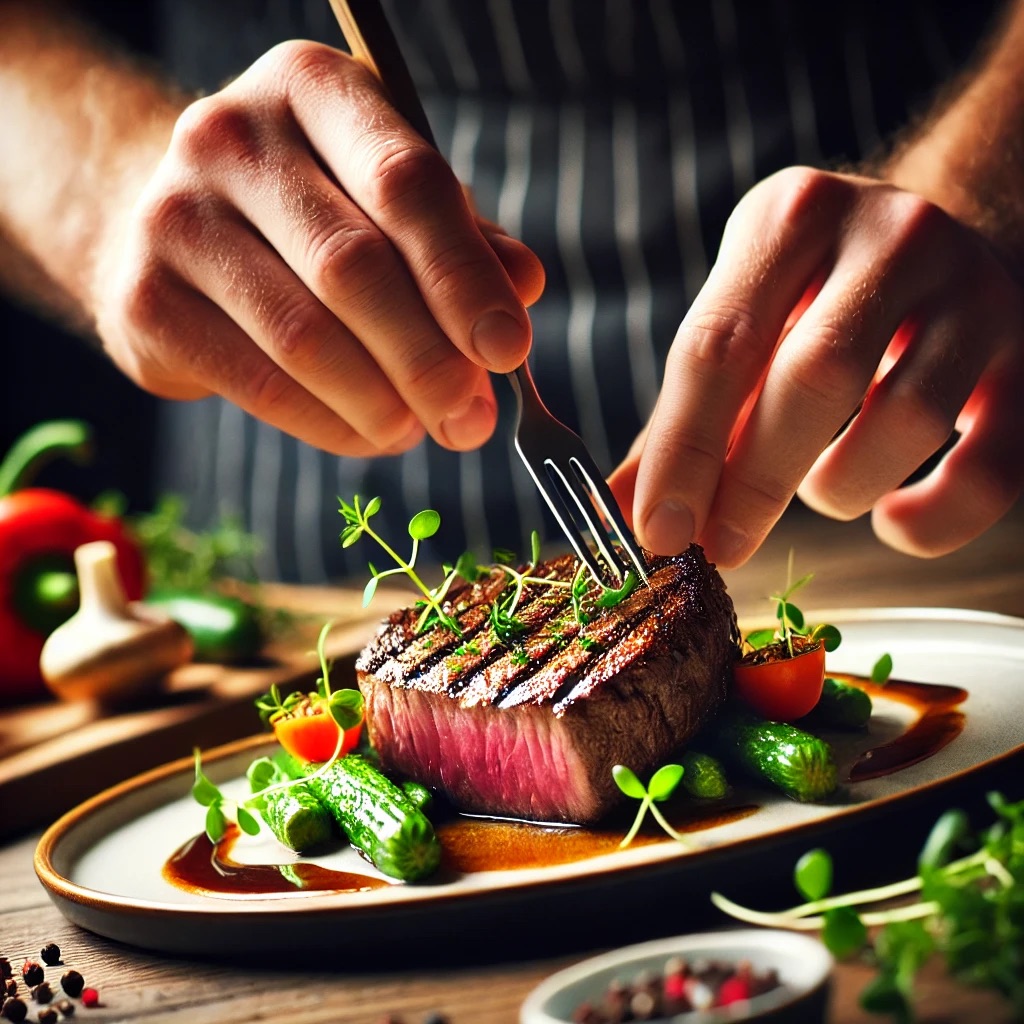
Pastry is a foundational skill in baking that opens the door to a world of delightful desserts and savory dishes. Whether you’re crafting a delicate tart, a flaky pie, or an airy éclair, mastering essential pastry techniques is crucial for any aspiring baker. In this post, we will explore some of the most important pastry techniques, focusing on shortcrust, puff pastry, and choux pastry. By understanding these methods, you will be well-equipped to create a variety of delicious pastries.
The Importance of Pastry Techniques
Pastry is more than just a form of dough; it serves as the base for many culinary creations. The right pastry technique can elevate a simple dish into something extraordinary, providing texture, flavor, and visual appeal. Each type of pastry has its unique characteristics, and understanding how to work with them will enhance your baking repertoire.
Shortcrust Pastry
Shortcrust pastry is perhaps the most versatile type of pastry. It serves as the foundation for pies, tarts, and quiches. The key to a perfect shortcrust is achieving a tender, crumbly texture that melts in your mouth.
Ingredients:
- 250g all-purpose flour
- 125g unsalted butter (cold and cubed)
- 75g powdered sugar (for sweet shortcrust) or a pinch of salt (for savory)
- 1 egg yolk (optional, for richness)
- 2-3 tablespoons ice water
Technique:
- Mixing the Dough: Start by combining the flour and powdered sugar (or salt) in a mixing bowl. Add the cold, cubed butter and rub it into the flour using your fingertips until the mixture resembles coarse breadcrumbs.
- Incorporating the Egg: If using an egg yolk, add it to the mixture along with the ice water. Mix until the dough begins to come together. Be careful not to overwork it, as this can lead to a tough pastry.
- Chilling the Dough: Shape the dough into a disc, wrap it in plastic wrap, and refrigerate for at least 30 minutes. Chilling helps to relax the gluten, resulting in a more tender crust.
- Rolling Out: After chilling, roll the dough out on a lightly floured surface to your desired thickness (typically about 3-5mm). Use a rolling pin to gently lift the dough and transfer it to your tart or pie dish, pressing it into the corners.
- Blind Baking: To prevent a soggy bottom, blind bake the crust. Line the pastry with parchment paper and fill it with baking beads or dried beans. Bake at 180°C (350°F) for about 15 minutes, then remove the weights and bake for an additional 5-10 minutes until golden.
Puff Pastry
Puff pastry is a labor of love, known for its flaky layers that result from the lamination process. It’s used in both sweet and savory applications, from pastries to vol-au-vents.
Ingredients:
- 250g all-purpose flour
- 200g unsalted butter (cold)
- 125ml cold water
- A pinch of salt
Technique:
- Preparing the Dough: In a bowl, combine the flour and salt. Add the cold water gradually until the mixture forms a rough dough. Knead lightly, wrap it in plastic, and chill for 30 minutes.
- Creating the Butter Block: While the dough chills, prepare the butter block. Place the cold butter between two sheets of parchment paper and pound it into a flat rectangle. Chill it again if it becomes too soft.
- Laminating: Roll out the dough into a rectangle, place the butter block in the center, and fold the dough over the butter, sealing the edges. Roll out the dough again into a rectangle and fold it in thirds (like a letter). This is your first turn. Chill for 30 minutes and repeat the rolling and folding process three more times for a total of four turns.
- Baking: Once laminated, roll the puff pastry to your desired thickness and shape as needed. Bake at 200°C (400°F) for about 20-25 minutes, or until golden and puffed.
Choux Pastry
Choux pastry, or pâte à choux, is unique because it’s cooked on the stovetop before baking. It’s the basis for cream puffs, éclairs, and profiteroles.
Ingredients:
- 125ml water
- 125ml milk
- 100g unsalted butter
- 150g all-purpose flour
- 4 large eggs
- A pinch of salt
Technique:
- Cooking the Dough: In a saucepan, combine the water, milk, butter, and salt. Heat until the butter melts and the mixture is boiling. Remove from heat and add the flour all at once, stirring vigorously with a wooden spoon until the dough forms a ball and pulls away from the sides of the pan.
- Incorporating Eggs: Allow the dough to cool slightly, then add the eggs one at a time, mixing well after each addition. The mixture should be smooth and glossy.
- Piping the Pastry: Transfer the choux pastry to a piping bag fitted with a round tip. Pipe small rounds for cream puffs or long strips for éclairs onto a baking sheet lined with parchment paper.
- Baking: Bake the pastries in a preheated oven at 220°C (425°F) for 20-25 minutes, or until golden brown and puffed. Allow them to cool completely before filling with cream or custard.
Tips for Success
- Temperature Matters: Always use cold ingredients for shortcrust and puff pastry. For choux pastry, ensure the mixture is cool before adding eggs to prevent them from cooking.
- Don’t Rush: Take your time with each step, especially chilling and rolling. Rushing can result in tough pastry or poor texture.
- Practice Makes Perfect: Each type of pastry has its own quirks. The more you practice, the more comfortable you’ll become.
Conclusion
Mastering these essential pastry techniques will not only enhance your baking skills but also open up a world of culinary possibilities. From the tender, crumbly texture of shortcrust to the flaky layers of puff pastry and the airy lightness of choux, each technique offers a unique character to your creations. So roll up your sleeves and get ready to indulge in the art of pastry making. Happy baking!
Related articles
 The Ultimate Guide to Baking Basics
Mastering Essential Techniques
 10 Essential Techniques Every Pastry Chef Should Know
 Perfect Pastries
Key Baking Techniques for Beginners
 Understanding Dough
Essential Techniques for Flaky Pastries
 Knead to Know
The Basics of Bread and Pastry Baking
 Whisk It Right
Essential Mixing Techniques for Pastry Perfection
 Rolling Out Success
Techniques for Perfect Pastry Dough
 The Science of Baking
Essential Techniques for Pastry Lovers
 Folding and Layering
Essential Techniques for Puff Pastry
 Chilling Out
The Importance of Temperature in Baking Pastries
 Baking Basics
The Art of Pie Crusts and Tarts
 From Batter to Bake
Essential Techniques for Cakes and Pastries
 Pastry Creams and Fillings
Mastering the Basics
 Baking with Confidence
Essential Techniques for Home Bakers
 Perfecting Pâte à Choux
Essential Techniques for Cream Puffs
 Eggs-actly Right
The Role of Eggs in Baking Pastries
 Sugar and Spice
Essential Flavoring Techniques for Pastries
 Baking Essentials
Tools and Techniques for Perfect Pastries
 The Magic of Pastry
Essential Techniques for Beginners
 Sifting Through Basics
The Importance of Flour in Pastry Baking
 Essential Pastry Techniques
From Shortcrust to Choux
 Gilding the Lily
Finishing Techniques for Beautiful Pastries
 Baking Basics
Essential Techniques for Gluten-Free Pastries
 Layering Flavors
Essential Techniques for Pastry Fillings
 Finding the Right Balance
Essential Pastry Ratios and Techniques
 The Secret to Perfect Pastries
Essential Techniques Unveiled
 Baking Basics Bootcamp
Essential Techniques for Aspiring Pastry Chefs
 Decoding Dough
Essential Techniques for Different Types of Pastries
 Pastry Perfection
Essential Techniques for Flavors and Textures
 The Art of Pastry
Essential Techniques for Home Bakers
 Baking Basics
Essential Techniques for Seasonal Pastries
 Pastry Techniques 101
From Mixing to Baking
 The Perfect Bake
Essential Techniques for Timing and Temperature
 Baking Like a Pro
Essential Techniques for Homemade Pastries
Essential Techniques for Crafting Beautiful Pastry Shapes
Baking with Love
Essential Techniques for Family-Favorite Pastries
Pastry Science
Essential Techniques for Consistent Results
Troubleshooting Pastry Baking
Essential Techniques for Common Issues
Transforming Ingredients
Essential Techniques for Unique Pastries
Baking Basics Unlocked
Essential Techniques for Every Baker
The Joy of Baking
Essential Techniques for Delicious Pastries
Categories


