The art of cooking
AI CHEF Blog

Baking Basics: Essential Techniques for Gluten-Free Pastries
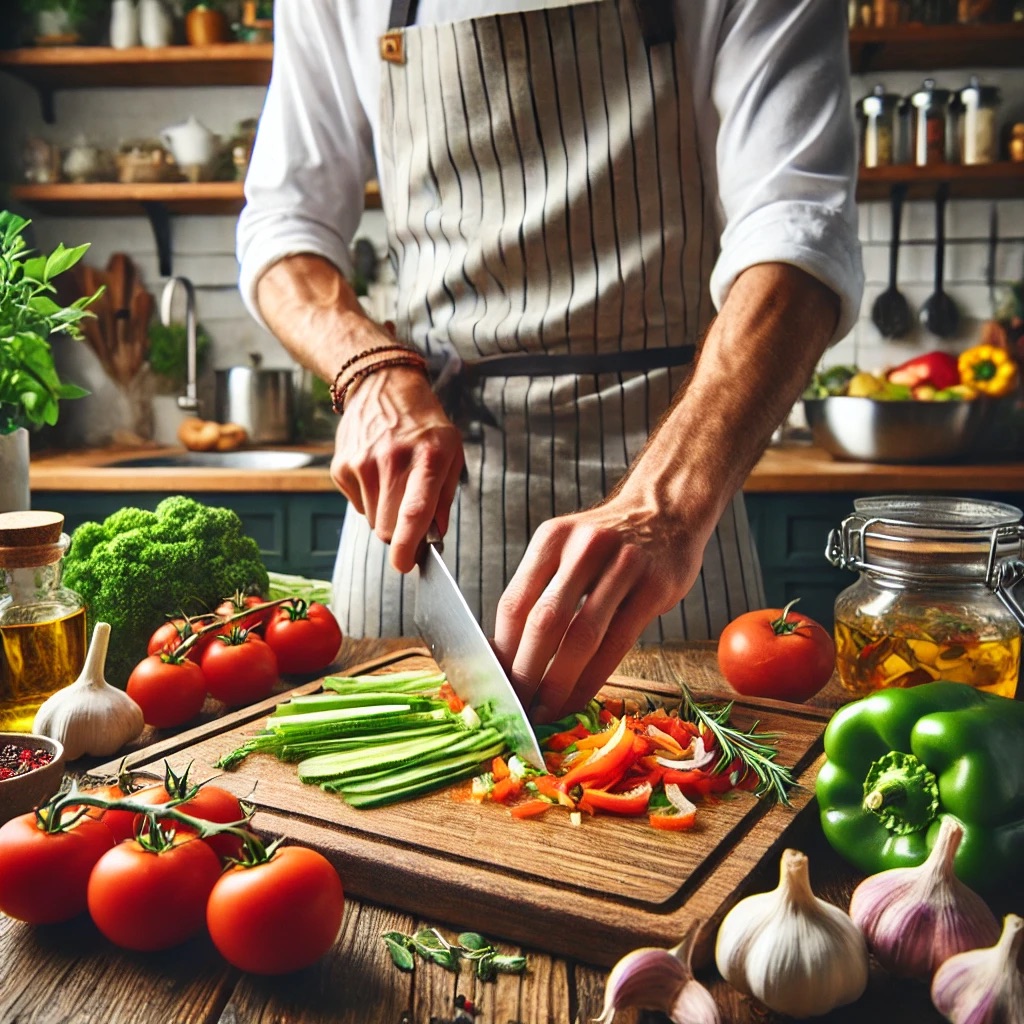
Baking gluten-free pastries can be a delightful yet challenging endeavor. It requires an understanding of various gluten-free flours, the importance of texture, and the essential techniques that can help you achieve delicious results. In this blog post, we will explore the fundamental techniques that will serve as your guide to creating irresistible gluten-free pastries.
Understanding Gluten-Free Flours
Before diving into techniques, it's crucial to understand the different types of gluten-free flours available. Unlike traditional wheat flour, gluten-free flours lack gluten, which provides elasticity and structure to baked goods. Here are some popular gluten-free flour options:
- Almond Flour: Made from finely ground almonds, this flour adds moisture and a rich flavor to pastries.
- Coconut Flour: Absorbent and high in fiber, coconut flour requires additional moisture and eggs in recipes.
- Rice Flour: A staple in gluten-free baking, rice flour has a neutral flavor and is often used in blends.
- Sorghum Flour: This flour has a mild taste and works well in gluten-free blends, adding protein and fiber.
- Oat Flour: Ground oats create a slightly sweet flavor and are perfect for cookies and muffins.
- Tapioca Flour: Often used as a thickening agent, tapioca flour adds chewiness and moisture to pastries.
- Potato Starch: This starchy flour helps create a light texture in baked goods.
It’s essential to use a blend of flours to mimic the properties of wheat flour. A good gluten-free flour blend contains protein, starch, and fiber to create a balanced texture.
Essential Techniques for Gluten-Free Pastries
Now that you have a basic understanding of gluten-free flours, let’s explore some essential techniques that will elevate your gluten-free pastry game.
1. Measuring Accurately
Accurate measuring is critical when baking gluten-free pastries. Gluten-free flours can vary in density, so using a kitchen scale for weight measurements is recommended. If measuring by volume, spoon the flour into the measuring cup without packing it down and level it off with a straight edge.
2. Creating a Flour Blend
As mentioned earlier, using a blend of gluten-free flours can significantly improve the texture of your pastries. Here’s a simple all-purpose gluten-free flour blend you can create at home:
- 1 cup rice flour
- 1/3 cup potato starch
- 1/3 cup tapioca flour
Mix these flours in a bowl and store in an airtight container. This blend works well for various pastries, including cookies and cakes.
3. Incorporating Binders
Since gluten provides structure and elasticity, gluten-free pastries need binders to hold everything together. Common binders include:
- Xanthan Gum: A powerful thickening agent that helps create elasticity. Use about 1 teaspoon per cup of flour.
- Guar Gum: Similar to xanthan gum, it can be used in a 1:1 ratio.
- Psyllium Husk: Offers a more natural option, providing fiber and moisture.
- Eggs: They act as a binder and add moisture. For egg-free options, try flaxseed meal or chia seeds mixed with water.
4. Mixing Techniques
When mixing gluten-free batters, be cautious not to overmix. Overmixing can lead to dense and gummy textures. Mix until ingredients are just combined. For certain pastries like muffins, you want to create a batter that is still slightly lumpy.
5. Resting the Dough
Gluten-free doughs often benefit from resting. Allowing the dough to rest for at least 30 minutes (or up to several hours) helps hydrate the flours and improves the texture of the final product.
6. Adjusting Liquid Ratios
Gluten-free flours absorb moisture differently than wheat flour. Be prepared to adjust the amount of liquid in your recipes. Start with a smaller amount and gradually add more until you reach the desired consistency.
7. Baking Time and Temperature
Gluten-free pastries may bake differently than traditional ones. They can take longer to cook through, so keep an eye on them and use a toothpick to check for doneness. Lowering the baking temperature slightly can help prevent the outer layer from browning too quickly while ensuring the inside cooks through.
Tips for Success
- Experiment: Don’t be afraid to experiment with different flour blends and ratios until you find what works best for your palate and preferences.
- Use Fresh Ingredients: Gluten-free flours can go rancid more quickly than traditional flours, so always use fresh ingredients for the best flavor.
- Store Properly: Keep your gluten-free flours in airtight containers in a cool, dry place to extend their shelf life.
- Taste and Adjust: Gluten-free baking can require adjustments based on your taste. Feel free to modify sweetness, spices, and flavorings to suit your preferences.
Conclusion
Baking gluten-free pastries can be a rewarding experience when you master the essential techniques and understand the unique properties of gluten-free flours. By measuring accurately, creating a flour blend, incorporating binders, and following the mixing and resting techniques outlined in this post, you'll be well on your way to creating delicious gluten-free treats. Remember, practice makes perfect, so don’t be discouraged by initial attempts. With time and experimentation, you’ll be able to delight your friends and family with mouthwatering gluten-free pastries that everyone can enjoy. Happy baking!
Related articles
 The Ultimate Guide to Baking Basics
Mastering Essential Techniques
 10 Essential Techniques Every Pastry Chef Should Know
 Perfect Pastries
Key Baking Techniques for Beginners
 Understanding Dough
Essential Techniques for Flaky Pastries
 Knead to Know
The Basics of Bread and Pastry Baking
 Whisk It Right
Essential Mixing Techniques for Pastry Perfection
 Rolling Out Success
Techniques for Perfect Pastry Dough
 The Science of Baking
Essential Techniques for Pastry Lovers
 Folding and Layering
Essential Techniques for Puff Pastry
 Chilling Out
The Importance of Temperature in Baking Pastries
 Baking Basics
The Art of Pie Crusts and Tarts
 From Batter to Bake
Essential Techniques for Cakes and Pastries
 Pastry Creams and Fillings
Mastering the Basics
 Baking with Confidence
Essential Techniques for Home Bakers
 Perfecting Pâte à Choux
Essential Techniques for Cream Puffs
 Eggs-actly Right
The Role of Eggs in Baking Pastries
 Sugar and Spice
Essential Flavoring Techniques for Pastries
 Baking Essentials
Tools and Techniques for Perfect Pastries
 The Magic of Pastry
Essential Techniques for Beginners
 Sifting Through Basics
The Importance of Flour in Pastry Baking
 Essential Pastry Techniques
From Shortcrust to Choux
 Gilding the Lily
Finishing Techniques for Beautiful Pastries
 Baking Basics
Essential Techniques for Gluten-Free Pastries
 Layering Flavors
Essential Techniques for Pastry Fillings
 Finding the Right Balance
Essential Pastry Ratios and Techniques
 The Secret to Perfect Pastries
Essential Techniques Unveiled
 Baking Basics Bootcamp
Essential Techniques for Aspiring Pastry Chefs
 Decoding Dough
Essential Techniques for Different Types of Pastries
 Pastry Perfection
Essential Techniques for Flavors and Textures
 The Art of Pastry
Essential Techniques for Home Bakers
 Baking Basics
Essential Techniques for Seasonal Pastries
 Pastry Techniques 101
From Mixing to Baking
 The Perfect Bake
Essential Techniques for Timing and Temperature
 Baking Like a Pro
Essential Techniques for Homemade Pastries
Essential Techniques for Crafting Beautiful Pastry Shapes
Baking with Love
Essential Techniques for Family-Favorite Pastries
Pastry Science
Essential Techniques for Consistent Results
Troubleshooting Pastry Baking
Essential Techniques for Common Issues
Transforming Ingredients
Essential Techniques for Unique Pastries
Baking Basics Unlocked
Essential Techniques for Every Baker
The Joy of Baking
Essential Techniques for Delicious Pastries
Categories


