The art of cooking
AI CHEF Blog

Pastry Perfection: Essential Techniques for Flavors and Textures
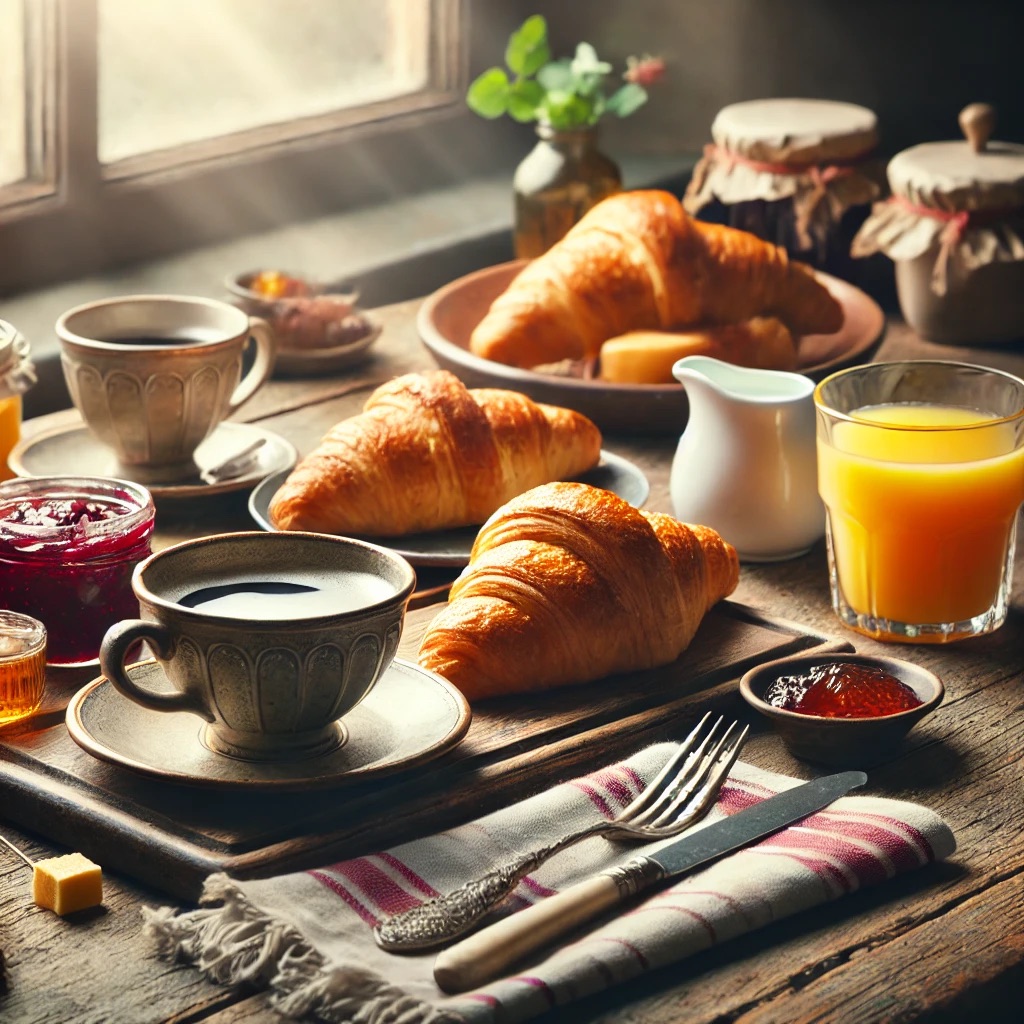
Pastry is an art form that combines science, precision, and creativity. Whether you're a novice baker or a seasoned pastry chef, understanding essential techniques can elevate your baked goods from ordinary to extraordinary. In this blog post, we'll explore the fundamental techniques that contribute to pastry perfection, focusing on the flavors and textures that make pastries irresistible.
Understanding the Basics of Pastry
Before diving into specific techniques, it’s important to understand what pastry is. Pastry refers to a variety of baked goods made from a dough of flour, water, and fat. The type of pastry can vary widely, from flaky pie crusts to rich puff pastries. Each type of pastry has its unique characteristics, which are achieved through specific techniques.
Key Techniques for Perfect Pastry
-
Choosing the Right Ingredients
The foundation of any great pastry starts with high-quality ingredients. Use fresh, unsalted butter for a rich flavor, and opt for all-purpose flour or pastry flour depending on the texture you want to achieve. Additionally, make sure that your eggs are at room temperature, as this helps in emulsifying the fat and creating a smoother dough. -
Mastering the Dough
The dough is the heart of your pastry. There are two primary types of pastry dough: sweet and savory. For sweet pastries, you may want to add sugar and vanilla for flavor, while savory pastries may include herbs and spices.- Shortcrust Pastry: This type is often used for tarts and pies. Combine flour, butter, and sugar (if sweet) until the mixture resembles breadcrumbs. Then, add cold water gradually until the dough comes together. Avoid overworking the dough to keep it tender and flaky.
- Puff Pastry: This technique involves laminating dough, which means folding layers of butter into the dough multiple times. This creates a flaky texture that rises beautifully in the oven. To master puff pastry, ensure your butter is firm but pliable, and keep everything cool to prevent the butter from melting.
- Choux Pastry: Used for eclairs and cream puffs, choux pastry is made by cooking flour, water, and butter before incorporating eggs. The steam generated during baking creates a light, airy texture.
-
Kneading and Rolling
Proper kneading and rolling techniques are crucial for achieving the right texture. When kneading, be gentle and avoid overworking the dough, which can develop gluten and result in a tough pastry. When rolling out dough, use a light touch and dust your work surface with flour to prevent sticking. Aim for an even thickness to ensure uniform baking. -
Chilling the Dough
Chilling your dough is a vital step in pastry making. It firms up the butter, allowing for better flakiness and preventing shrinkage during baking. After mixing your dough, wrap it in plastic wrap and refrigerate for at least 30 minutes before rolling it out. -
Blind Baking
For tarts and pies with a custard or fruit filling, blind baking is essential. This technique involves pre-baking the pastry shell to prevent it from becoming soggy once the filling is added. To blind bake, line your pastry with parchment paper, fill it with pie weights or dried beans, and bake until lightly golden. -
Creating Flavor Layers
Flavors can be enhanced through various techniques. Infuse your butter with herbs or spices, use flavored sugars, or incorporate zests into your dough. For fillings, consider using seasonal fruits, rich creams, or decadent chocolate ganache to elevate your pastries. -
Finishing Touches
The final touches can make a significant difference in the presentation and flavor of your pastries. Glazes, egg washes, and dusting with powdered sugar can add shine and texture. Experiment with garnishes like fresh fruit, edible flowers, or chocolate curls to create visual appeal.
Textures: The Key to Irresistibility
Texture is just as important as flavor when it comes to pastries. Here are a few techniques to achieve that perfect bite:
- Flakiness: For flaky pastries like croissants and puff pastries, the key is in the lamination process. Incorporate cold butter in layers and ensure each fold is even to create distinct layers.
- Crispness: To achieve a crisp texture, consider adding a small amount of cornstarch to your dough or baking pastries at a higher temperature initially to create a crust.
- Lightness: For airy pastries, like choux, ensure that you incorporate enough air into the dough. This can be achieved by beating the eggs in one at a time and ensuring the mixture is smooth.
- Moisture: For moist pastries, ensure that you don’t overbake. Using a thermometer can help you determine when your pastries are done. Additionally, fillings such as creams or fruit preserves can add moisture.
Experimenting with Flavors and Textures
Once you've mastered the essential techniques, don’t be afraid to experiment! Try different flavor combinations, textures, and forms. Here are a few ideas to inspire your creativity:
- Fruit and Nut Combinations: Pair fruits with nuts for added crunch and flavor. Think almond tart with poached pears or hazelnut cream puffs with raspberry filling.
- Herb-Infused Pastries: Infuse your dough with herbs like rosemary or basil for a unique twist. A savory tart with goat cheese and herb pastry can be a delightful surprise.
- Spiced Pastries: Incorporate spices like cinnamon, cardamom, or ginger into your dough or filling to create warmth and depth of flavor. Consider spiced apple turnovers or chai-infused cream puffs.
Conclusion
Perfecting pastry is a journey that requires practice, patience, and a willingness to learn. By mastering essential techniques and understanding the balance between flavors and textures, you can create pastries that not only taste incredible but also look stunning. Remember, the key to pastry perfection lies in the details—so take your time, experiment, and most importantly, enjoy the process of baking. Happy baking!
Related articles
 The Ultimate Guide to Baking Basics
Mastering Essential Techniques
 10 Essential Techniques Every Pastry Chef Should Know
 Perfect Pastries
Key Baking Techniques for Beginners
 Understanding Dough
Essential Techniques for Flaky Pastries
 Knead to Know
The Basics of Bread and Pastry Baking
 Whisk It Right
Essential Mixing Techniques for Pastry Perfection
 Rolling Out Success
Techniques for Perfect Pastry Dough
 The Science of Baking
Essential Techniques for Pastry Lovers
 Folding and Layering
Essential Techniques for Puff Pastry
 Chilling Out
The Importance of Temperature in Baking Pastries
 Baking Basics
The Art of Pie Crusts and Tarts
 From Batter to Bake
Essential Techniques for Cakes and Pastries
 Pastry Creams and Fillings
Mastering the Basics
 Baking with Confidence
Essential Techniques for Home Bakers
 Perfecting Pâte à Choux
Essential Techniques for Cream Puffs
 Eggs-actly Right
The Role of Eggs in Baking Pastries
 Sugar and Spice
Essential Flavoring Techniques for Pastries
 Baking Essentials
Tools and Techniques for Perfect Pastries
 The Magic of Pastry
Essential Techniques for Beginners
 Sifting Through Basics
The Importance of Flour in Pastry Baking
 Essential Pastry Techniques
From Shortcrust to Choux
 Gilding the Lily
Finishing Techniques for Beautiful Pastries
 Baking Basics
Essential Techniques for Gluten-Free Pastries
 Layering Flavors
Essential Techniques for Pastry Fillings
 Finding the Right Balance
Essential Pastry Ratios and Techniques
 The Secret to Perfect Pastries
Essential Techniques Unveiled
 Baking Basics Bootcamp
Essential Techniques for Aspiring Pastry Chefs
 Decoding Dough
Essential Techniques for Different Types of Pastries
 Pastry Perfection
Essential Techniques for Flavors and Textures
 The Art of Pastry
Essential Techniques for Home Bakers
 Baking Basics
Essential Techniques for Seasonal Pastries
 Pastry Techniques 101
From Mixing to Baking
 The Perfect Bake
Essential Techniques for Timing and Temperature
 Baking Like a Pro
Essential Techniques for Homemade Pastries
Essential Techniques for Crafting Beautiful Pastry Shapes
Baking with Love
Essential Techniques for Family-Favorite Pastries
Pastry Science
Essential Techniques for Consistent Results
Troubleshooting Pastry Baking
Essential Techniques for Common Issues
Transforming Ingredients
Essential Techniques for Unique Pastries
Baking Basics Unlocked
Essential Techniques for Every Baker
The Joy of Baking
Essential Techniques for Delicious Pastries
Categories


