The art of cooking
AI CHEF Blog

The Perfect Bake: Essential Techniques for Timing and Temperature
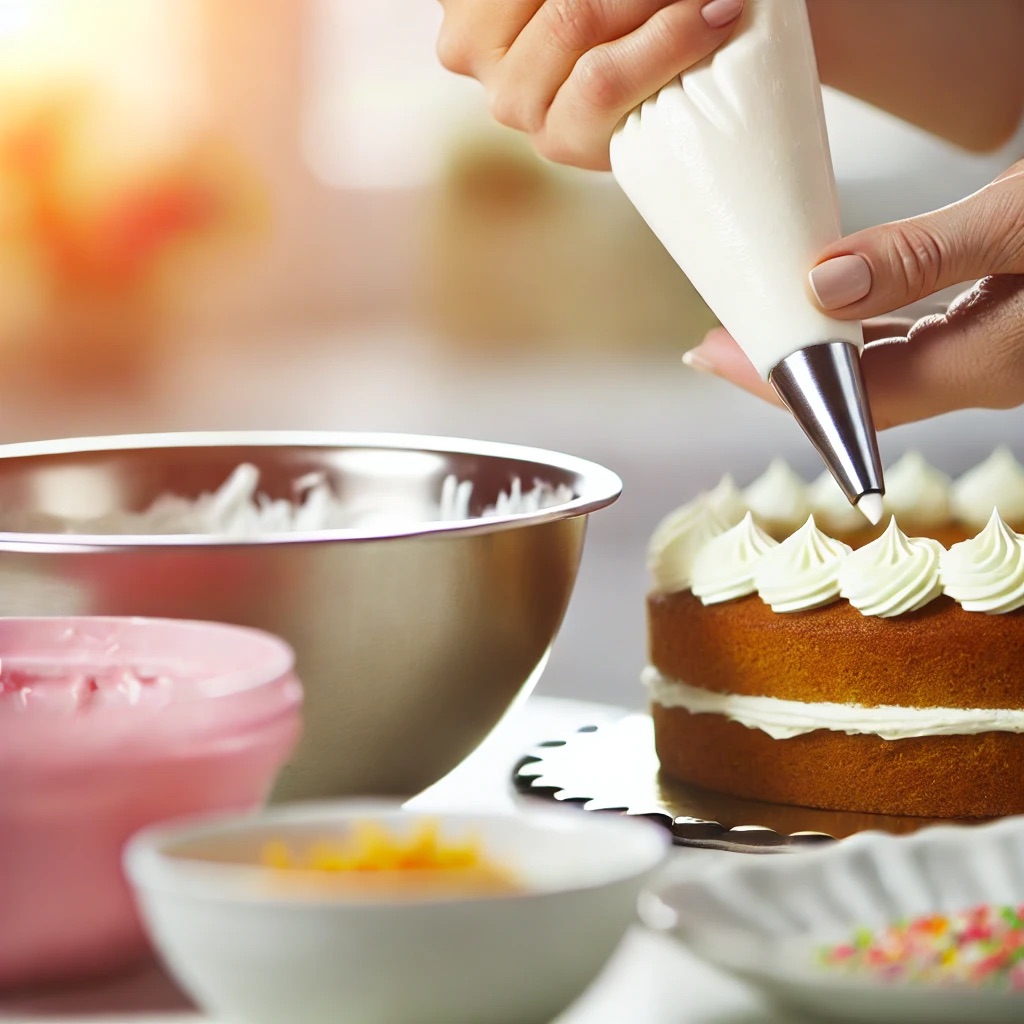
Baking is both an art and a science, requiring precision and a bit of creativity. The perfect bake often hinges on two critical factors: timing and temperature. Mastering these elements can elevate your baking from good to extraordinary. In this blog post, we will explore essential techniques that will help you achieve baking perfection.
Understanding the Importance of Temperature
Temperature is crucial in baking for several reasons. It affects how ingredients interact with one another, influences the texture of your baked goods, and ensures even cooking throughout the dish. Here are some key temperature-related tips:
-
Know Your Oven: Every oven is different. Some may run hotter or cooler than what the dial indicates. Investing in an oven thermometer can help you understand your oven's actual temperature.
-
Preheat Properly: Always preheat your oven to the required temperature before placing your baked goods inside. This ensures that they start cooking at the right temperature, which is vital for achieving the desired rise and texture.
-
Room Temperature Ingredients: For many recipes, especially those involving butter and eggs, starting with room temperature ingredients is essential. Cold ingredients can lead to uneven mixing and a dense final product. Bring your eggs, butter, and other cold ingredients to room temperature before you begin baking.
-
Use the Correct Temperature: Different types of baked goods require specific temperatures. For example, cookies often bake at around 350°F, while bread might need a hotter environment to create a good crust. Always follow the recipe guidelines for optimal results.
Mastering Timing
Timing in baking is just as important as temperature. It determines how long your goods need to bake to achieve the perfect texture and flavor. Here are some timing techniques to keep in mind:
-
Follow the Recipe: Recipes provide specific baking times for a reason. However, it’s essential to note that these times can vary depending on your oven and the pans used. Always check for doneness a few minutes before the suggested time.
-
Visual Cues: Learn to recognize visual cues that indicate doneness. For cakes, look for a golden-brown top and a toothpick inserted into the center should come out clean or with a few moist crumbs. For cookies, they should be golden around the edges but still soft in the center.
-
Use a Timer: Set a timer as a reminder to check your baked goods. It’s easy to lose track of time, especially if you get distracted. A timer can help you avoid overbaking, which can lead to dry or burnt products.
-
Know When to Rotate: If you’re baking multiple trays or using multiple racks, be sure to rotate them halfway through the baking time. This ensures even cooking and browning, especially in ovens with hot spots.
Techniques for Different Types of Baking
Different types of baking require unique approaches to timing and temperature. Here are some examples:
-
Cakes: Cakes need a stable temperature to rise properly. Use the middle rack for even heat distribution and avoid opening the oven door too frequently, which can cause the cake to collapse. For layered cakes, bake them one at a time if your oven space is limited.
-
Cookies: When baking cookies, consider the thickness and size. Thinner cookies will bake faster than thicker ones. A good rule of thumb is to take them out when they are slightly underbaked; they will continue to cook on the tray for a few moments.
-
Bread: Bread baking is a science. Use steam in the first few minutes of baking to create a crispy crust. An instant-read thermometer can help you check for doneness; bread is done when it reaches an internal temperature of about 190°F.
-
Pies and Tarts: The crust should be golden brown and crisp. For fruit pies, you can often tell they are done when the filling is bubbling. If the crust is browning too quickly, cover it with foil to prevent burning.
The Role of Altitude
If you live at a high altitude, you may need to adjust your baking times and temperatures. The lower air pressure can cause baked goods to rise more quickly, which may lead to collapsing if not monitored. Here are a few adjustments to consider:
-
Reduce Sugar: At high altitudes, you may want to reduce the sugar slightly to prevent over-rising.
-
Increase Oven Temperature: Raising the oven temperature by about 15°F can help baked goods set before they over-expand.
-
Increase Liquid: Because moisture evaporates faster at higher altitudes, adding an extra tablespoon of liquid can help maintain the right consistency.
Troubleshooting Common Issues
Even with the best techniques, sometimes things don’t go as planned. Here are some common baking problems and how to troubleshoot them:
-
Cakes Won’t Rise: This can happen due to expired baking powder or baking soda. Always check expiration dates and ensure your leavening agents are fresh.
-
Overbaked Goods: If your baked goods are consistently overbaking, reduce the baking time or lower the temperature slightly.
-
Soggy Bottoms: This can happen with pies or tarts. Pre-baking the crust or using a higher temperature for the first few minutes can help create a barrier that keeps moisture out.
Conclusion
The perfect bake is achievable with a solid understanding of timing and temperature. By mastering these essential techniques, you can elevate your baking skills and create delicious treats that impress your family and friends. Remember, practice makes perfect, so don’t be discouraged by initial setbacks. Embrace the process, experiment with different recipes, and most importantly, enjoy the art of baking. Happy baking!
Related articles
 The Ultimate Guide to Baking Basics
Mastering Essential Techniques
 10 Essential Techniques Every Pastry Chef Should Know
 Perfect Pastries
Key Baking Techniques for Beginners
 Understanding Dough
Essential Techniques for Flaky Pastries
 Knead to Know
The Basics of Bread and Pastry Baking
 Whisk It Right
Essential Mixing Techniques for Pastry Perfection
 Rolling Out Success
Techniques for Perfect Pastry Dough
 The Science of Baking
Essential Techniques for Pastry Lovers
 Folding and Layering
Essential Techniques for Puff Pastry
 Chilling Out
The Importance of Temperature in Baking Pastries
 Baking Basics
The Art of Pie Crusts and Tarts
 From Batter to Bake
Essential Techniques for Cakes and Pastries
 Pastry Creams and Fillings
Mastering the Basics
 Baking with Confidence
Essential Techniques for Home Bakers
 Perfecting Pâte à Choux
Essential Techniques for Cream Puffs
 Eggs-actly Right
The Role of Eggs in Baking Pastries
 Sugar and Spice
Essential Flavoring Techniques for Pastries
 Baking Essentials
Tools and Techniques for Perfect Pastries
 The Magic of Pastry
Essential Techniques for Beginners
 Sifting Through Basics
The Importance of Flour in Pastry Baking
 Essential Pastry Techniques
From Shortcrust to Choux
 Gilding the Lily
Finishing Techniques for Beautiful Pastries
 Baking Basics
Essential Techniques for Gluten-Free Pastries
 Layering Flavors
Essential Techniques for Pastry Fillings
 Finding the Right Balance
Essential Pastry Ratios and Techniques
 The Secret to Perfect Pastries
Essential Techniques Unveiled
 Baking Basics Bootcamp
Essential Techniques for Aspiring Pastry Chefs
 Decoding Dough
Essential Techniques for Different Types of Pastries
 Pastry Perfection
Essential Techniques for Flavors and Textures
 The Art of Pastry
Essential Techniques for Home Bakers
 Baking Basics
Essential Techniques for Seasonal Pastries
 Pastry Techniques 101
From Mixing to Baking
 The Perfect Bake
Essential Techniques for Timing and Temperature
 Baking Like a Pro
Essential Techniques for Homemade Pastries
Essential Techniques for Crafting Beautiful Pastry Shapes
Baking with Love
Essential Techniques for Family-Favorite Pastries
Pastry Science
Essential Techniques for Consistent Results
Troubleshooting Pastry Baking
Essential Techniques for Common Issues
Transforming Ingredients
Essential Techniques for Unique Pastries
Baking Basics Unlocked
Essential Techniques for Every Baker
The Joy of Baking
Essential Techniques for Delicious Pastries
Categories


