The art of cooking
AI CHEF Blog

Transforming Ingredients: Essential Techniques for Unique Pastries
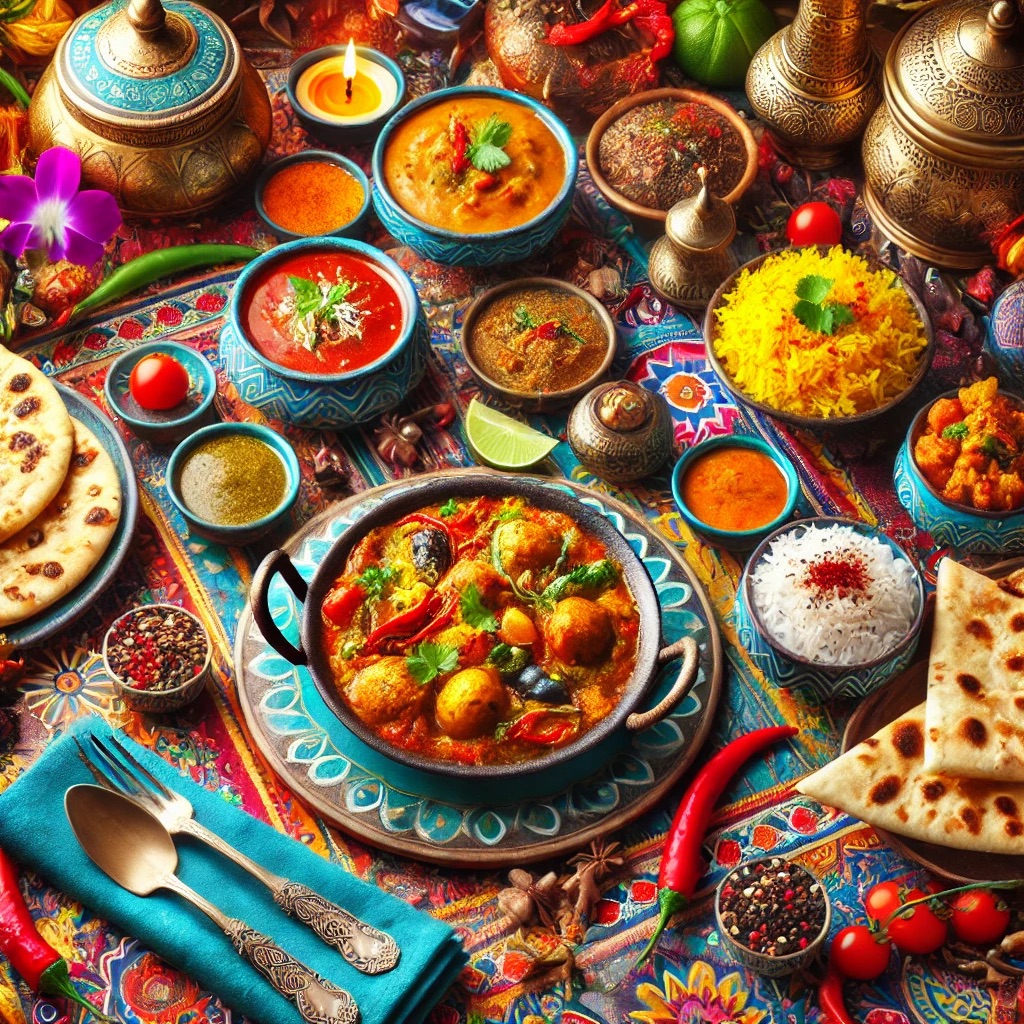
Pastry making is a beautiful art, blending science and creativity. The way we transform ingredients can elevate simple pastries into extraordinary culinary masterpieces. In this blog post, we will explore essential techniques that can help you create unique pastries that leave a lasting impression. Whether you are a novice or an experienced baker, these methods will inspire you to think outside the box and experiment with flavors, textures, and presentations.
Understanding the Basics of Pastry
Before diving into transformative techniques, it's important to understand the foundational elements of pastry. The primary ingredients in pastry include flour, fat, liquid, and salt. Each plays a crucial role:
- Flour provides structure and stability.
- Fat (such as butter or shortening) adds richness and flakiness.
- Liquid helps bind the ingredients together and activates gluten.
- Salt enhances flavor and strengthens the dough.
Technique 1: Infusing Flavors
Infusing flavors into your pastry ingredients can drastically change the final product. Here are a few methods:
-
Herb-Infused Butter: Melt butter and add fresh herbs like rosemary, thyme, or basil. Let it steep for at least an hour, then strain and use this butter in your pastry dough for a unique flavor profile.
-
Spiced Sugar: Blend granulated sugar with spices like cinnamon, cardamom, or vanilla bean. Use this spiced sugar in your sweet pastry recipes to add depth and warmth.
-
Citrus Zest: Grate the zest of lemons, limes, or oranges into your dough or fillings. This will add a bright and zesty flavor that complements the sweetness of pastries.
Technique 2: Experimenting with Textures
Texture plays a significant role in the enjoyment of pastries. Here are a few techniques to experiment with:
-
Incorporating Crunch: Add nuts, seeds, or crushed cookies to your pastry dough for a delightful crunch. For example, almond flour can be added to pâte sucrée for a nutty flavor and texture.
-
Layering: Techniques like lamination in puff pastry involve folding and rolling layers of dough with butter. This creates flaky layers that are light and airy. Try incorporating different flavored butters or even chocolate between the layers for an added twist.
-
Using Gelatin or Agar-Agar: For fillings, consider using gelatin or agar-agar to create a unique texture. This can be especially effective in fruit-based pastries, creating a jelly-like filling that adds an interesting mouthfeel.
Technique 3: Alternative Flour Options
Using alternative flours can open up a world of possibilities in pastry making. Here are a few options:
-
Almond Flour: This gluten-free option adds a slightly sweet, nutty flavor to pastries. It works well in tarts and cookies but may require additional binding agents like eggs.
-
Whole Wheat Flour: Adding whole wheat flour to your pastry can enhance its nutritional profile and impart a hearty flavor. Start by substituting half of the all-purpose flour in your recipe.
-
Spelt Flour: Known for its unique flavor, spelt flour can be used in place of all-purpose flour for a rustic touch. It has a slightly nutty taste and a tender crumb that works well in pastries.
Technique 4: Creative Fillings and Toppings
Transforming your pastries doesn't stop at the dough; the fillings and toppings can also be innovative:
-
Savory Fillings: Think beyond sweet fillings. Incorporate savory elements like cheese, herbs, or roasted vegetables into your pastries. A cheese and herb-filled puff pastry can be a delightful appetizer.
-
Frangipane Variations: Frangipane, a sweet almond cream, can be transformed by adding different flavorings such as chocolate, orange zest, or even matcha. This can be used in tarts or as a filling for croissants.
-
Unusual Toppings: Instead of traditional icing or glaze, consider using fresh fruits, edible flowers, or even flavored syrups to top your pastries. A lemon glaze with lavender essence can create a stunning finish.
Technique 5: Innovative Shapes and Presentations
The visual appeal of your pastries can be just as important as their taste:
-
Molding and Shaping: Use molds or cookie cutters to create unique shapes. A simple round tart can be transformed into a star-shaped one, making it more eye-catching.
-
Layering and Stacking: Instead of traditional single-layer cakes, try stacking layers of different flavored cakes or pastries to create a more dynamic presentation. Consider alternating layers of chocolate and vanilla cake.
-
Garnishing: Garnish your pastries with elements like microgreens, fruit caviar, or edible glitter. These details can elevate your pastry from ordinary to extraordinary.
Conclusion
Transforming ingredients is both a science and an art, allowing bakers to push the boundaries of traditional pastry making. By experimenting with flavors, textures, alternative flours, creative fillings, and innovative presentations, you can create unique pastries that surprise and delight your guests. Remember, the key is to have fun and be open to experimentation. Happy baking!
Related articles
 The Ultimate Guide to Baking Basics
Mastering Essential Techniques
 10 Essential Techniques Every Pastry Chef Should Know
 Perfect Pastries
Key Baking Techniques for Beginners
 Understanding Dough
Essential Techniques for Flaky Pastries
 Knead to Know
The Basics of Bread and Pastry Baking
 Whisk It Right
Essential Mixing Techniques for Pastry Perfection
 Rolling Out Success
Techniques for Perfect Pastry Dough
 The Science of Baking
Essential Techniques for Pastry Lovers
 Folding and Layering
Essential Techniques for Puff Pastry
 Chilling Out
The Importance of Temperature in Baking Pastries
 Baking Basics
The Art of Pie Crusts and Tarts
 From Batter to Bake
Essential Techniques for Cakes and Pastries
 Pastry Creams and Fillings
Mastering the Basics
 Baking with Confidence
Essential Techniques for Home Bakers
 Perfecting Pâte à Choux
Essential Techniques for Cream Puffs
 Eggs-actly Right
The Role of Eggs in Baking Pastries
 Sugar and Spice
Essential Flavoring Techniques for Pastries
 Baking Essentials
Tools and Techniques for Perfect Pastries
 The Magic of Pastry
Essential Techniques for Beginners
 Sifting Through Basics
The Importance of Flour in Pastry Baking
 Essential Pastry Techniques
From Shortcrust to Choux
 Gilding the Lily
Finishing Techniques for Beautiful Pastries
 Baking Basics
Essential Techniques for Gluten-Free Pastries
 Layering Flavors
Essential Techniques for Pastry Fillings
 Finding the Right Balance
Essential Pastry Ratios and Techniques
 The Secret to Perfect Pastries
Essential Techniques Unveiled
 Baking Basics Bootcamp
Essential Techniques for Aspiring Pastry Chefs
 Decoding Dough
Essential Techniques for Different Types of Pastries
 Pastry Perfection
Essential Techniques for Flavors and Textures
 The Art of Pastry
Essential Techniques for Home Bakers
 Baking Basics
Essential Techniques for Seasonal Pastries
 Pastry Techniques 101
From Mixing to Baking
 The Perfect Bake
Essential Techniques for Timing and Temperature
 Baking Like a Pro
Essential Techniques for Homemade Pastries
Essential Techniques for Crafting Beautiful Pastry Shapes
Baking with Love
Essential Techniques for Family-Favorite Pastries
Pastry Science
Essential Techniques for Consistent Results
Troubleshooting Pastry Baking
Essential Techniques for Common Issues
Transforming Ingredients
Essential Techniques for Unique Pastries
Baking Basics Unlocked
Essential Techniques for Every Baker
The Joy of Baking
Essential Techniques for Delicious Pastries
Categories


