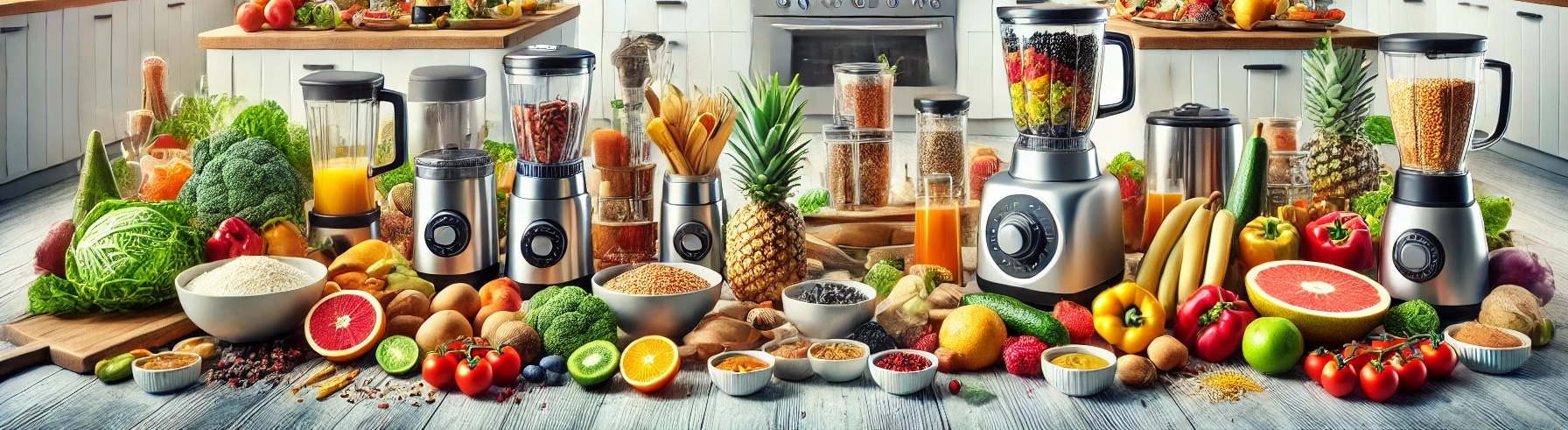
The art of cooking
AI CHEF Blog

How to Make Nutritious Meals Without Sacrificing Flavor
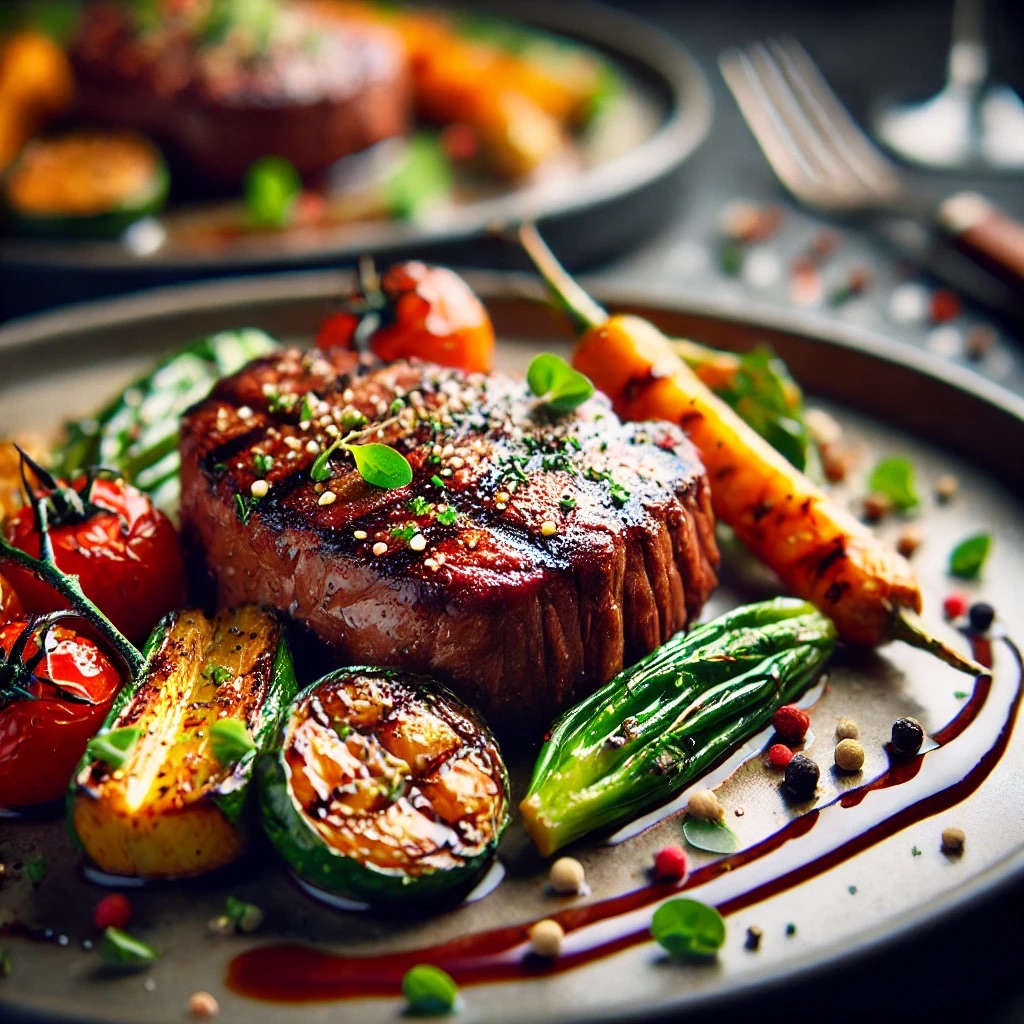
In today's fast-paced world, where convenience often trumps nutrition, many individuals find it challenging to prepare meals that are both healthy and delicious. The common misconception is that nutritious meals lack flavor, leading to the notion that healthy eating is a punishment rather than a pleasure. However, with the right ingredients, techniques, and mindset, it is entirely possible to create meals that are packed with nutrients and bursting with flavor. This blog post will guide you through practical strategies to make nutritious meals that will satisfy your taste buds and nourish your body.
1. Embrace Whole Foods
The foundation of any nutritious meal is whole foods. Whole foods are unprocessed or minimally processed ingredients that are close to their natural state. This includes fruits, vegetables, whole grains, lean proteins, nuts, and seeds. By focusing on whole foods, you not only increase the nutrient density of your meals but also enhance their flavors.
Tips for Incorporating Whole Foods:
- Shop Seasonal: Seasonal fruits and vegetables are often fresher and more flavorful. Visit your local farmers' market or grocery store to find out what’s in season.
- Experiment with Grains: Instead of relying on white rice or pasta, try cooking with quinoa, farro, or brown rice. These whole grains add a nutty flavor and are rich in fiber and protein.
- Opt for Fresh Herbs and Spices: Fresh herbs like basil, cilantro, and parsley can elevate any dish. Similarly, spices like cumin, paprika, and turmeric can add depth and complexity to your meals.
2. Use Healthy Fats
Fats are essential for our health, but not all fats are created equal. Healthy fats, like those found in avocados, olive oil, nuts, and fatty fish, not only provide flavor but also help in the absorption of fat-soluble vitamins (A, D, E, and K).
Tips for Using Healthy Fats:
- Cooking with Olive Oil: Use extra virgin olive oil as your primary cooking oil. It’s rich in monounsaturated fats and adds a rich flavor to your dishes.
- Incorporate Avocado: Avocado can be used in salads, smoothies, or as a spread. It adds creaminess and healthy fats without the need for unhealthy alternatives like mayonnaise.
- Nuts and Seeds: Sprinkle nuts or seeds on top of salads or incorporate them into your meals for an added crunch and flavor boost.
3. Flavor with Umami
Umami, often referred to as the fifth taste, is known for its savory flavor profile. Foods rich in umami can enhance the taste of your meals, making them more satisfying.
Umami-Rich Foods:
- Mushrooms: Sautéed mushrooms can serve as a hearty base for many dishes, providing a meaty texture and rich flavor.
- Tomatoes: Sun-dried tomatoes, tomato paste, and fresh tomatoes all add a depth of flavor to sauces and salads.
- Fermented Foods: Foods like kimchi, sauerkraut, and miso add a tangy, umami-rich punch to your meals.
4. Play with Textures
One of the keys to making nutritious meals appealing is to incorporate a variety of textures. The contrast between crunchy, creamy, chewy, and soft can transform an ordinary meal into an extraordinary experience.
Ideas for Textural Variety:
- Roast Your Vegetables: Roasting vegetables brings out their natural sweetness and adds a crispy texture. Try roasting broccoli, carrots, or sweet potatoes with a drizzle of olive oil and spices.
- Add Crunch: Top salads or grain bowls with toasted nuts, seeds, or crispy chickpeas to add crunch.
- Mix and Match: Combine cooked grains with raw vegetables for a mix of textures. For example, try a quinoa salad with raw bell peppers, cucumbers, and a lemon vinaigrette.
5. Make Use of Marinades and Sauces
Marinades and sauces are fantastic ways to infuse flavor into your meals without adding excessive calories or unhealthy ingredients. They can transform a simple dish into something extraordinary.
Marinade Ideas:
- Citrus Marinade: Combine lemon or lime juice with olive oil, garlic, and fresh herbs for a refreshing marinade for chicken or fish.
- Soy Sauce and Ginger: A mixture of soy sauce, ginger, and sesame oil works beautifully with stir-fried vegetables or grilled proteins.
- Yogurt-Based Marinade: Use yogurt mixed with spices and herbs as a marinade for meats, adding both flavor and tenderness.
6. Portion Control and Mindful Eating
While it’s important to focus on nutritious ingredients, portion control and mindful eating can also play a significant role in how enjoyable your meals are. Eating slowly and savoring your food can enhance your enjoyment and prevent overeating.
Mindful Eating Tips:
- Set the Scene: Create a pleasant eating environment. Turn off the TV, put away your phone, and focus on your meal.
- Savor Each Bite: Take the time to appreciate the flavors and textures of your food. Chew slowly and enjoy the experience.
- Listen to Your Body: Pay attention to your hunger cues. Stop eating when you feel satisfied, not stuffed.
7. Meal Prep with Flavor in Mind
Planning and preparing meals in advance can save time and ensure you stick to your healthy eating goals. When meal prepping, think about flavor combinations and how to keep meals interesting throughout the week.
Meal Prep Tips:
- Batch Cook: Prepare large batches of grains, proteins, and roasted vegetables that can be mixed and matched throughout the week.
- Use Versatile Ingredients: Choose ingredients that can be used in multiple dishes, such as grilled chicken, quinoa, and a variety of vegetables.
- Flavorful Freezing: Freeze portions of soups, stews, and sauces in individual containers for quick, flavorful meals on busy days.
Conclusion
Eating nutritious meals does not mean sacrificing flavor. By focusing on whole foods, healthy fats, umami-rich ingredients, and a variety of textures, you can create meals that are both satisfying and nourishing. Remember to experiment with different herbs, spices, and cooking techniques to discover what pleases your palate. With a little creativity and effort, nutritious meals can become your new favorite dishes, satisfying both your health goals and your taste buds. So roll up your sleeves, get into the kitchen, and start creating delicious, nutritious meals today!
Related articles
 10 Essential Tips for Healthy Cooking at Home
 How to Make Nutritious Meals Without Sacrificing Flavor
 Meal Prep 101
Healthy Cooking for a Busy Lifestyle
Meal Prep 101
Healthy Cooking for a Busy Lifestyle
 The Art of Healthy Cooking
Simple Techniques for Delicious Meals
The Art of Healthy Cooking
Simple Techniques for Delicious Meals
 Exploring Superfoods
Elevate Your Healthy Cooking Game
Exploring Superfoods
Elevate Your Healthy Cooking Game
 Easy Swaps for Healthier Cooking
Recipes You’ll Love
Easy Swaps for Healthier Cooking
Recipes You’ll Love
 Cooking with Color
Nutrient-Dense Ingredients for Vibrant Meals
Cooking with Color
Nutrient-Dense Ingredients for Vibrant Meals
 Healthy Cooking on a Budget
Nutritious Meals for Less
Healthy Cooking on a Budget
Nutritious Meals for Less
 The Benefits of Cooking at Home
Healthier Choices Made Easy
The Benefits of Cooking at Home
Healthier Choices Made Easy
 Herbs and Spices
Flavor Your Healthy Cooking Naturally
Herbs and Spices
Flavor Your Healthy Cooking Naturally
 Healthy Cooking for Families
Tips to Please Everyone
Healthy Cooking for Families
Tips to Please Everyone
 The Best Kitchen Tools for Healthy Cooking
A Guide
The Best Kitchen Tools for Healthy Cooking
A Guide
 Gluten-Free Healthy Cooking
Delicious Recipes for All
Gluten-Free Healthy Cooking
Delicious Recipes for All
 Plant-Based Cooking
Nutritious Meals for Every Palate
Plant-Based Cooking
Nutritious Meals for Every Palate
 Healthy Cooking Techniques
Steaming, Grilling, and More
Healthy Cooking Techniques
Steaming, Grilling, and More
 Snacking Smart
Healthy Cooking for Easy Bites
Snacking Smart
Healthy Cooking for Easy Bites
 Quick and Healthy Weeknight Dinners
Meals in Under 30 Minutes
Quick and Healthy Weeknight Dinners
Meals in Under 30 Minutes
 Fermentation in Healthy Cooking
Benefits and Recipes
Fermentation in Healthy Cooking
Benefits and Recipes
 Healthy Cooking for Weight Loss
Tips and Tricks
Healthy Cooking for Weight Loss
Tips and Tricks
 The Power of Meal Planning
Healthy Cooking Made Simple
The Power of Meal Planning
Healthy Cooking Made Simple
 Healthy Cooking from Around the World
Global Flavors to Try
Healthy Cooking from Around the World
Global Flavors to Try
 Low-Calorie Healthy Cooking
Satisfying Meals Without the Guilt
Low-Calorie Healthy Cooking
Satisfying Meals Without the Guilt
 Cooking with Kids
Fun and Healthy Recipes for Family Time
Cooking with Kids
Fun and Healthy Recipes for Family Time
 Batch Cooking for a Healthy Week
Save Time and Eat Well
Batch Cooking for a Healthy Week
Save Time and Eat Well
 Healthy Cooking Myths Debunked
What You Really Need to Know
Healthy Cooking Myths Debunked
What You Really Need to Know
 Seasonal Eating
How to Cook Healthy with Fresh Ingredients
Seasonal Eating
How to Cook Healthy with Fresh Ingredients
 Healthy Cooking on the Grill
Delicious Meals for Summer
Healthy Cooking on the Grill
Delicious Meals for Summer
 The Importance of Portion Control in Healthy Cooking
 Healthy Cooking for Heart Health
Recipes and Tips
Healthy Cooking for Heart Health
Recipes and Tips
 Savory and Sweet
Healthy Cooking with Natural Sweeteners
Savory and Sweet
Healthy Cooking with Natural Sweeteners
 Creative Leftovers
Transforming Meals into Healthy Delights
Creative Leftovers
Transforming Meals into Healthy Delights
 Healthy Cooking for Seniors
Nutritious Meals for Aging Well
Healthy Cooking for Seniors
Nutritious Meals for Aging Well
 The Science of Healthy Cooking
Nutrition Explained
The Science of Healthy Cooking
Nutrition Explained
 Healthy Cooking Hacks
Time-Saving Tips for Busy Chefs
Healthy Cooking Hacks
Time-Saving Tips for Busy Chefs
Flavorful Sauces and Dressings for Healthy Cooking
Healthy Cooking for Athletes
Fuel Your Performance
Mindful Cooking
Connect with Your Food for Better Health
Healthy Cooking and Meal Diversity
Keep Your Plate Interesting
Dairy-Free Healthy Cooking
Alternatives and Recipes
Healthy Cooking with Whole Grains
Benefits and Recipes
Cooking for Immunity
Healthy Meals to Boost Your Health
Categories