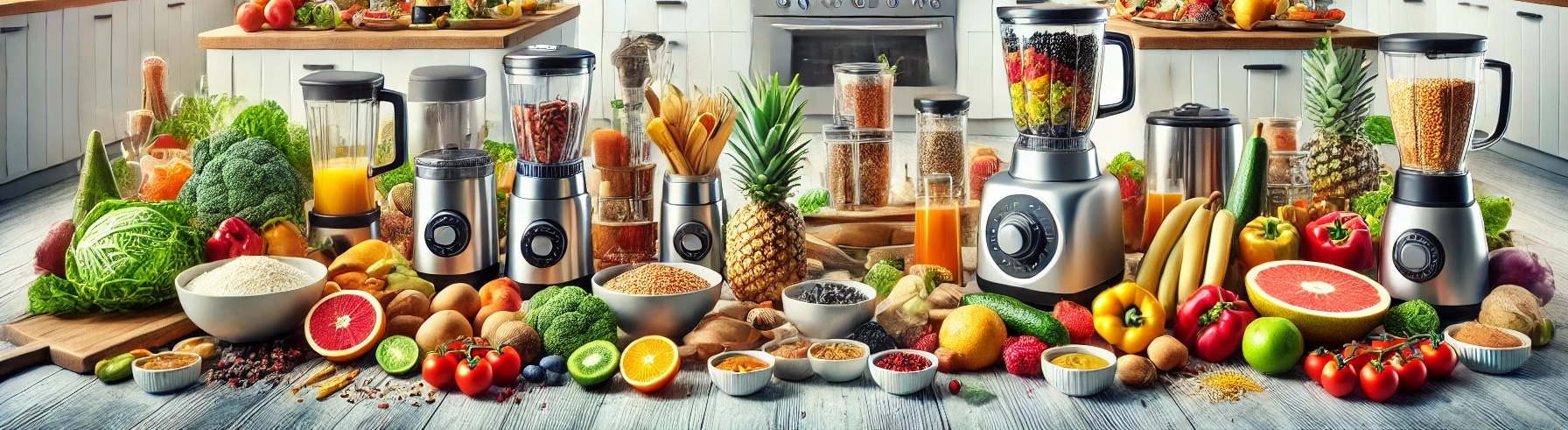
The art of cooking
AI CHEF Blog

The Art of Healthy Cooking: Simple Techniques for Delicious Meals

In today's fast-paced world, healthy eating often takes a backseat to convenience. However, the art of healthy cooking can be both simple and rewarding. By mastering a few essential techniques and making mindful choices, anyone can create delicious meals that are not only good for the body but also delightful for the palate.
Understanding Healthy Cooking
Healthy cooking is about more than just what ingredients you use; it’s about how you prepare them and the techniques you employ. The goal is to maximize flavor while minimizing unhealthy additives such as excess salt, sugar, and unhealthy fats.
Choosing Fresh, Whole Ingredients
The foundation of healthy cooking lies in selecting fresh, whole ingredients. Here are some tips to get you started:
- Shop Local and Seasonal: Fresh produce that is in season tends to be more flavorful and nutritious. Farmers' markets are a great place to find local, organic options.
- Prioritize Whole Foods: Choose whole grains, lean proteins, and healthy fats over processed foods. For example, opt for quinoa instead of white rice and fresh fish instead of fried options.
- Mind Your Colors: A colorful plate is often a healthy plate. Different colors in fruits and vegetables signify different nutrients, so aim for a variety of hues.
Basic Cooking Techniques
1. Steaming
Steaming is one of the healthiest cooking methods as it helps retain the nutrients in vegetables. This technique allows you to cook without adding fats while preserving flavor and texture. To steam vegetables:
- Use a steamer basket or a pot with a lid.
- Bring water to a boil, then place the vegetables in the basket above the water and cover.
- Steam until tender, usually about 5-10 minutes, depending on the vegetable.
2. Sautéing
Sautéing with a small amount of healthy oil, such as olive or avocado oil, is a quick and flavorful way to cook. It allows you to brown food while keeping the flavors intact. For perfect sautéing:
- Preheat your pan before adding oil to prevent sticking.
- Use high heat for quick cooking.
- Keep the food moving in the pan to ensure even cooking.
3. Roasting
Roasting enhances the natural sweetness of vegetables and proteins. The dry heat caramelizes the sugars, creating delicious flavors. To roast:
- Preheat your oven to 400°F (200°C).
- Toss vegetables or proteins with a bit of oil, salt, and your favorite spices.
- Spread in a single layer on a baking sheet and roast until golden and tender, usually around 20-30 minutes.
4. Grilling
Grilling adds a smoky flavor and is perfect for meats, fish, and vegetables. It requires minimal oil and allows excess fat to drip away from the food. To grill:
- Preheat your grill and oil the grates to prevent sticking.
- Marinate proteins to add flavor and moisture.
- Cook over direct heat until charred and cooked through.
Flavoring Without Excess Salt
One of the biggest challenges in healthy cooking is reducing salt without sacrificing flavor. Here are some strategies:
- Herbs and Spices: Fresh herbs like basil, cilantro, and parsley can elevate your dishes. Spices such as cumin, paprika, and turmeric add depth and complexity.
- Citrus Juice and Zest: Lemon and lime juice can brighten flavors and provide acidity that balances dishes.
- Vinegars: Balsamic, apple cider, and red wine vinegars can add tang and richness without the need for salt.
Meal Planning and Preparation
One of the best ways to maintain a healthy cooking routine is through meal planning and prep. Here are some steps to streamline the process:
- Create a Weekly Menu: Plan your meals for the week, including breakfast, lunch, and dinner. This will help you stay organized and ensure you have all the ingredients you need.
- Batch Cooking: Prepare larger quantities of staples such as grains, roasted vegetables, and proteins so you can easily assemble meals throughout the week.
- Use Leftovers Creatively: Transform leftovers into new meals. For example, roasted chicken can be used in salads, wraps, or soups.
Healthy Cooking Tools
Investing in a few essential kitchen tools can make healthy cooking easier and more enjoyable:
- Sharp Knives: A good set of knives is crucial for efficient prep work.
- Cutting Board: A sturdy, easy-to-clean cutting board is a must.
- Non-stick Cookware: Quality non-stick pans require less oil and are easier to clean.
- Food Processor: Great for chopping, mixing, and pureeing, a food processor can save you time and effort.
- Blender: Ideal for smoothies, soups, and sauces, a high-speed blender can help you create nutrient-dense meals quickly.
Conclusion
The art of healthy cooking is a journey that involves embracing fresh ingredients, mastering basic techniques, and being creative in the kitchen. By focusing on whole foods and using simple cooking methods, you can create meals that are both nutritious and delicious. Remember, healthy eating doesn’t have to be boring or complicated. With practice and a bit of inspiration, you can make healthy cooking a delightful part of your everyday life. So roll up your sleeves, gather your ingredients, and enjoy the process of creating nourishing meals for yourself and your loved ones.
Related articles
 10 Essential Tips for Healthy Cooking at Home
 How to Make Nutritious Meals Without Sacrificing Flavor
 Meal Prep 101
Healthy Cooking for a Busy Lifestyle
Meal Prep 101
Healthy Cooking for a Busy Lifestyle
 The Art of Healthy Cooking
Simple Techniques for Delicious Meals
The Art of Healthy Cooking
Simple Techniques for Delicious Meals
 Exploring Superfoods
Elevate Your Healthy Cooking Game
Exploring Superfoods
Elevate Your Healthy Cooking Game
 Easy Swaps for Healthier Cooking
Recipes You’ll Love
Easy Swaps for Healthier Cooking
Recipes You’ll Love
 Cooking with Color
Nutrient-Dense Ingredients for Vibrant Meals
Cooking with Color
Nutrient-Dense Ingredients for Vibrant Meals
 Healthy Cooking on a Budget
Nutritious Meals for Less
Healthy Cooking on a Budget
Nutritious Meals for Less
 The Benefits of Cooking at Home
Healthier Choices Made Easy
The Benefits of Cooking at Home
Healthier Choices Made Easy
 Herbs and Spices
Flavor Your Healthy Cooking Naturally
Herbs and Spices
Flavor Your Healthy Cooking Naturally
 Healthy Cooking for Families
Tips to Please Everyone
Healthy Cooking for Families
Tips to Please Everyone
 The Best Kitchen Tools for Healthy Cooking
A Guide
The Best Kitchen Tools for Healthy Cooking
A Guide
 Gluten-Free Healthy Cooking
Delicious Recipes for All
Gluten-Free Healthy Cooking
Delicious Recipes for All
 Plant-Based Cooking
Nutritious Meals for Every Palate
Plant-Based Cooking
Nutritious Meals for Every Palate
 Healthy Cooking Techniques
Steaming, Grilling, and More
Healthy Cooking Techniques
Steaming, Grilling, and More
 Snacking Smart
Healthy Cooking for Easy Bites
Snacking Smart
Healthy Cooking for Easy Bites
 Quick and Healthy Weeknight Dinners
Meals in Under 30 Minutes
Quick and Healthy Weeknight Dinners
Meals in Under 30 Minutes
 Fermentation in Healthy Cooking
Benefits and Recipes
Fermentation in Healthy Cooking
Benefits and Recipes
 Healthy Cooking for Weight Loss
Tips and Tricks
Healthy Cooking for Weight Loss
Tips and Tricks
 The Power of Meal Planning
Healthy Cooking Made Simple
The Power of Meal Planning
Healthy Cooking Made Simple
 Healthy Cooking from Around the World
Global Flavors to Try
Healthy Cooking from Around the World
Global Flavors to Try
 Low-Calorie Healthy Cooking
Satisfying Meals Without the Guilt
Low-Calorie Healthy Cooking
Satisfying Meals Without the Guilt
 Cooking with Kids
Fun and Healthy Recipes for Family Time
Cooking with Kids
Fun and Healthy Recipes for Family Time
 Batch Cooking for a Healthy Week
Save Time and Eat Well
Batch Cooking for a Healthy Week
Save Time and Eat Well
 Healthy Cooking Myths Debunked
What You Really Need to Know
Healthy Cooking Myths Debunked
What You Really Need to Know
 Seasonal Eating
How to Cook Healthy with Fresh Ingredients
Seasonal Eating
How to Cook Healthy with Fresh Ingredients
 Healthy Cooking on the Grill
Delicious Meals for Summer
Healthy Cooking on the Grill
Delicious Meals for Summer
 The Importance of Portion Control in Healthy Cooking
 Healthy Cooking for Heart Health
Recipes and Tips
Healthy Cooking for Heart Health
Recipes and Tips
 Savory and Sweet
Healthy Cooking with Natural Sweeteners
Savory and Sweet
Healthy Cooking with Natural Sweeteners
 Creative Leftovers
Transforming Meals into Healthy Delights
Creative Leftovers
Transforming Meals into Healthy Delights
 Healthy Cooking for Seniors
Nutritious Meals for Aging Well
Healthy Cooking for Seniors
Nutritious Meals for Aging Well
 The Science of Healthy Cooking
Nutrition Explained
The Science of Healthy Cooking
Nutrition Explained
 Healthy Cooking Hacks
Time-Saving Tips for Busy Chefs
Healthy Cooking Hacks
Time-Saving Tips for Busy Chefs
Flavorful Sauces and Dressings for Healthy Cooking
Healthy Cooking for Athletes
Fuel Your Performance
Mindful Cooking
Connect with Your Food for Better Health
Healthy Cooking and Meal Diversity
Keep Your Plate Interesting
Dairy-Free Healthy Cooking
Alternatives and Recipes
Healthy Cooking with Whole Grains
Benefits and Recipes
Cooking for Immunity
Healthy Meals to Boost Your Health
Categories