The art of cooking
AI CHEF Blog

Healthy Cooking on a Budget: Nutritious Meals for Less
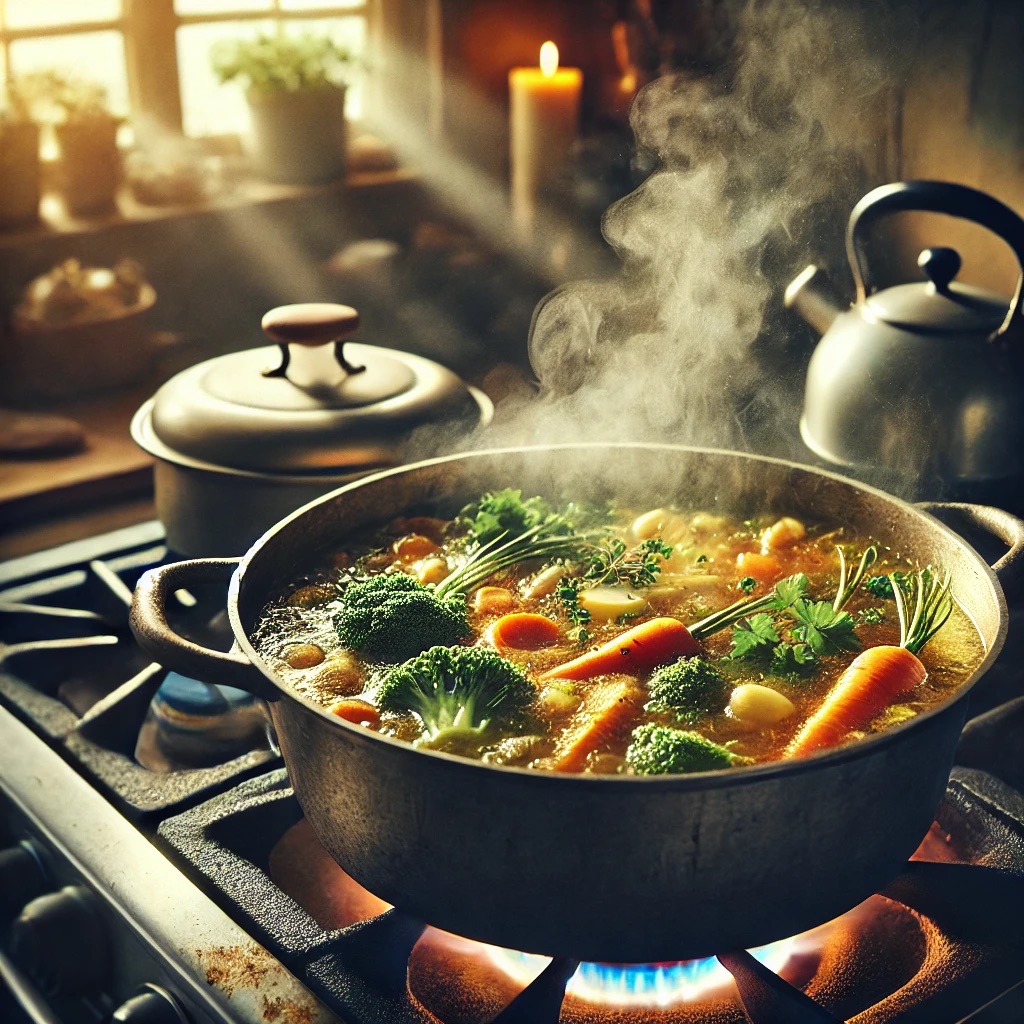
Eating healthy doesn’t have to break the bank. In fact, with a little creativity and planning, you can whip up nutritious meals without spending a fortune. This blog post will explore practical strategies for healthy cooking on a budget, along with some delicious recipes that you can make at home.
Understanding the Basics of Budget-Friendly Healthy Eating
Before we dive into tips and recipes, it’s important to understand what it means to eat healthy on a budget. Healthy eating focuses on consuming a variety of foods that provide the nutrients you need. This includes fruits, vegetables, whole grains, lean proteins, and healthy fats. To eat healthy on a budget, you need to find ways to incorporate these foods into your diet without overspending.
1. Plan Your Meals
Meal planning is a powerful tool for anyone looking to eat healthy on a budget. By planning your meals for the week, you can:
- Reduce Food Waste: When you have a plan, you know exactly what ingredients to buy, which means you’re less likely to let food go to waste.
- Make Better Choices: Having a meal plan helps you resist the temptation of unhealthy fast food or takeout options.
- Save Money: You can shop sales and use coupons to buy your ingredients, ensuring that you stick to your budget.
2. Create a Shopping List
Once you’ve planned your meals, create a shopping list based on the ingredients you need. Stick to the list while shopping to avoid impulse buys. Here are some tips for making an effective shopping list:
- Organize by Sections: Organize your list by sections of the grocery store (produce, dairy, grains, etc.) to make shopping easier.
- Include Pantry Staples: Stock up on pantry staples like rice, beans, and canned tomatoes that can be used in multiple meals.
- Buy in Bulk: For non-perishable items, consider buying in bulk to save money.
3. Embrace Seasonal and Local Produce
Buying fruits and vegetables that are in season can significantly reduce your grocery bill. Seasonal produce is often fresher and cheaper than out-of-season options. Additionally, purchasing from local farmers’ markets can provide savings while supporting your community. Here’s how to incorporate seasonal produce into your meals:
- Research Seasonal Produce: Check online or ask your local grocery store what fruits and vegetables are in season.
- Get Creative: Use seasonal items in various recipes to keep meals interesting.
4. Cook in Batches
Cooking in batches is an excellent way to save both time and money. By preparing larger quantities of meals, you can:
- Have Leftovers: Enjoy leftovers for lunch or dinner throughout the week, reducing the need to cook every day.
- Freeze Meals: Freeze portions of meals for later use, which is perfect for busy days.
- Reduce Energy Costs: Cooking multiple servings at once can save on energy costs.
5. Choose Cost-Effective Proteins
Proteins can be one of the most expensive parts of a meal, so choosing cost-effective options is crucial. Here are some affordable protein sources:
- Legumes: Beans and lentils are not only inexpensive but also high in protein and fiber.
- Eggs: A versatile and affordable source of protein that can be used in various dishes.
- Canned Tuna or Salmon: These are often cheaper than fresh fish and can be used in salads, sandwiches, or casseroles.
- Chicken Thighs: Usually cheaper than chicken breasts, thighs are flavorful and can be used in many recipes.
6. Use Whole Grains
Whole grains are more nutritious than their refined counterparts and can be more filling. They also tend to be affordable. Consider incorporating the following grains into your meals:
- Brown Rice: A great base for stir-fries or grain bowls.
- Quinoa: Although slightly more expensive, it provides complete protein and cooks quickly.
- Oats: Perfect for breakfast or baking, oats are budget-friendly and nutritious.
7. Make Your Own Sauces and Dressings
Store-bought sauces and dressings can be pricey and often contain added sugars and preservatives. Making your own can save money and allow you to control the ingredients. Here are a few easy recipes:
- Simple Vinaigrette: Mix equal parts olive oil and vinegar, add a pinch of salt, pepper, and your favorite herbs for a delicious dressing.
- Homemade Tomato Sauce: Sauté garlic and onions, add canned tomatoes, and season with herbs for a quick pasta sauce.
8. Get Creative with Leftovers
Transforming leftovers into new meals can be a fun and budget-friendly way to eat. Here are some ideas:
- Stir-Fry: Use leftover vegetables and proteins to create a quick stir-fry.
- Soup: Combine leftover ingredients in a pot with broth for a hearty soup.
- Frittata: Mix leftover veggies and proteins with eggs for a delicious frittata.
9. Incorporate Frozen Foods
Frozen fruits and vegetables can be a cost-effective and nutritious alternative to fresh produce. They are often picked at their peak ripeness and flash-frozen, preserving their nutrients. Use them in:
- Smoothies: Blend frozen fruits with yogurt or milk for a quick breakfast.
- Stir-Fries: Add frozen vegetables to your stir-fry dishes for added nutrition.
10. Try Meatless Meals
Incorporating meatless meals into your diet can save you money while also being nutritious. Here are some ideas:
- Vegetable Stir-Fry: Use a variety of colorful vegetables and tofu or tempeh for protein.
- Chickpea Salad: Combine chickpeas, chopped vegetables, and a simple dressing for a filling salad.
Sample Budget-Friendly Healthy Recipes
Here are a few easy, nutritious recipes that won’t break the bank:
1. Lentil Soup
Ingredients: 1 cup lentils, 1 onion, 2 carrots, 2 celery stalks, 4 cups vegetable broth, salt, and pepper. Instructions:
- In a large pot, sauté the chopped onion, carrots, and celery until soft.
- Add lentils and vegetable broth. Bring to a boil, then reduce to a simmer.
- Cook for 30-40 minutes until lentils are tender. Season with salt and pepper.
2. Quinoa Salad
Ingredients: 1 cup quinoa, 1 can black beans, 1 cup corn, 1 bell pepper, 2 tablespoons lime juice, and cilantro. Instructions:
- Cook quinoa according to package instructions.
- In a large bowl, mix cooked quinoa, black beans, corn, chopped bell pepper, lime juice, and cilantro.
3. Vegetable Stir-Fry
Ingredients: 2 cups mixed vegetables (fresh or frozen), 1 block tofu, soy sauce, and brown rice. Instructions:
- Cook brown rice according to package instructions.
- In a pan, sauté mixed vegetables and cubed tofu. Add soy sauce to taste.
- Serve over cooked brown rice.
Conclusion
Eating healthy on a budget is entirely possible with a little planning and creativity. By incorporating these tips into your cooking routine, you can enjoy nutritious meals without overspending. Remember, it’s not just about saving money but also about making healthier choices for yourself and your family. Happy cooking!
Related articles
 10 Essential Tips for Healthy Cooking at Home
 How to Make Nutritious Meals Without Sacrificing Flavor
 Meal Prep 101
Healthy Cooking for a Busy Lifestyle
Meal Prep 101
Healthy Cooking for a Busy Lifestyle
 The Art of Healthy Cooking
Simple Techniques for Delicious Meals
The Art of Healthy Cooking
Simple Techniques for Delicious Meals
 Exploring Superfoods
Elevate Your Healthy Cooking Game
Exploring Superfoods
Elevate Your Healthy Cooking Game
 Easy Swaps for Healthier Cooking
Recipes You’ll Love
Easy Swaps for Healthier Cooking
Recipes You’ll Love
 Cooking with Color
Nutrient-Dense Ingredients for Vibrant Meals
Cooking with Color
Nutrient-Dense Ingredients for Vibrant Meals
 Healthy Cooking on a Budget
Nutritious Meals for Less
Healthy Cooking on a Budget
Nutritious Meals for Less
 The Benefits of Cooking at Home
Healthier Choices Made Easy
The Benefits of Cooking at Home
Healthier Choices Made Easy
 Herbs and Spices
Flavor Your Healthy Cooking Naturally
Herbs and Spices
Flavor Your Healthy Cooking Naturally
 Healthy Cooking for Families
Tips to Please Everyone
Healthy Cooking for Families
Tips to Please Everyone
 The Best Kitchen Tools for Healthy Cooking
A Guide
The Best Kitchen Tools for Healthy Cooking
A Guide
 Gluten-Free Healthy Cooking
Delicious Recipes for All
Gluten-Free Healthy Cooking
Delicious Recipes for All
 Plant-Based Cooking
Nutritious Meals for Every Palate
Plant-Based Cooking
Nutritious Meals for Every Palate
 Healthy Cooking Techniques
Steaming, Grilling, and More
Healthy Cooking Techniques
Steaming, Grilling, and More
 Snacking Smart
Healthy Cooking for Easy Bites
Snacking Smart
Healthy Cooking for Easy Bites
 Quick and Healthy Weeknight Dinners
Meals in Under 30 Minutes
Quick and Healthy Weeknight Dinners
Meals in Under 30 Minutes
 Fermentation in Healthy Cooking
Benefits and Recipes
Fermentation in Healthy Cooking
Benefits and Recipes
 Healthy Cooking for Weight Loss
Tips and Tricks
Healthy Cooking for Weight Loss
Tips and Tricks
 The Power of Meal Planning
Healthy Cooking Made Simple
The Power of Meal Planning
Healthy Cooking Made Simple
 Healthy Cooking from Around the World
Global Flavors to Try
Healthy Cooking from Around the World
Global Flavors to Try
 Low-Calorie Healthy Cooking
Satisfying Meals Without the Guilt
Low-Calorie Healthy Cooking
Satisfying Meals Without the Guilt
 Cooking with Kids
Fun and Healthy Recipes for Family Time
Cooking with Kids
Fun and Healthy Recipes for Family Time
 Batch Cooking for a Healthy Week
Save Time and Eat Well
Batch Cooking for a Healthy Week
Save Time and Eat Well
 Healthy Cooking Myths Debunked
What You Really Need to Know
Healthy Cooking Myths Debunked
What You Really Need to Know
 Seasonal Eating
How to Cook Healthy with Fresh Ingredients
Seasonal Eating
How to Cook Healthy with Fresh Ingredients
 Healthy Cooking on the Grill
Delicious Meals for Summer
Healthy Cooking on the Grill
Delicious Meals for Summer
 The Importance of Portion Control in Healthy Cooking
 Healthy Cooking for Heart Health
Recipes and Tips
Healthy Cooking for Heart Health
Recipes and Tips
 Savory and Sweet
Healthy Cooking with Natural Sweeteners
Savory and Sweet
Healthy Cooking with Natural Sweeteners
 Creative Leftovers
Transforming Meals into Healthy Delights
Creative Leftovers
Transforming Meals into Healthy Delights
 Healthy Cooking for Seniors
Nutritious Meals for Aging Well
Healthy Cooking for Seniors
Nutritious Meals for Aging Well
 The Science of Healthy Cooking
Nutrition Explained
The Science of Healthy Cooking
Nutrition Explained
 Healthy Cooking Hacks
Time-Saving Tips for Busy Chefs
Healthy Cooking Hacks
Time-Saving Tips for Busy Chefs
Flavorful Sauces and Dressings for Healthy Cooking
Healthy Cooking for Athletes
Fuel Your Performance
Mindful Cooking
Connect with Your Food for Better Health
Healthy Cooking and Meal Diversity
Keep Your Plate Interesting
Dairy-Free Healthy Cooking
Alternatives and Recipes
Healthy Cooking with Whole Grains
Benefits and Recipes
Cooking for Immunity
Healthy Meals to Boost Your Health
Categories