The art of cooking
AI CHEF Blog

Herbs and Spices: Flavor Your Healthy Cooking Naturally
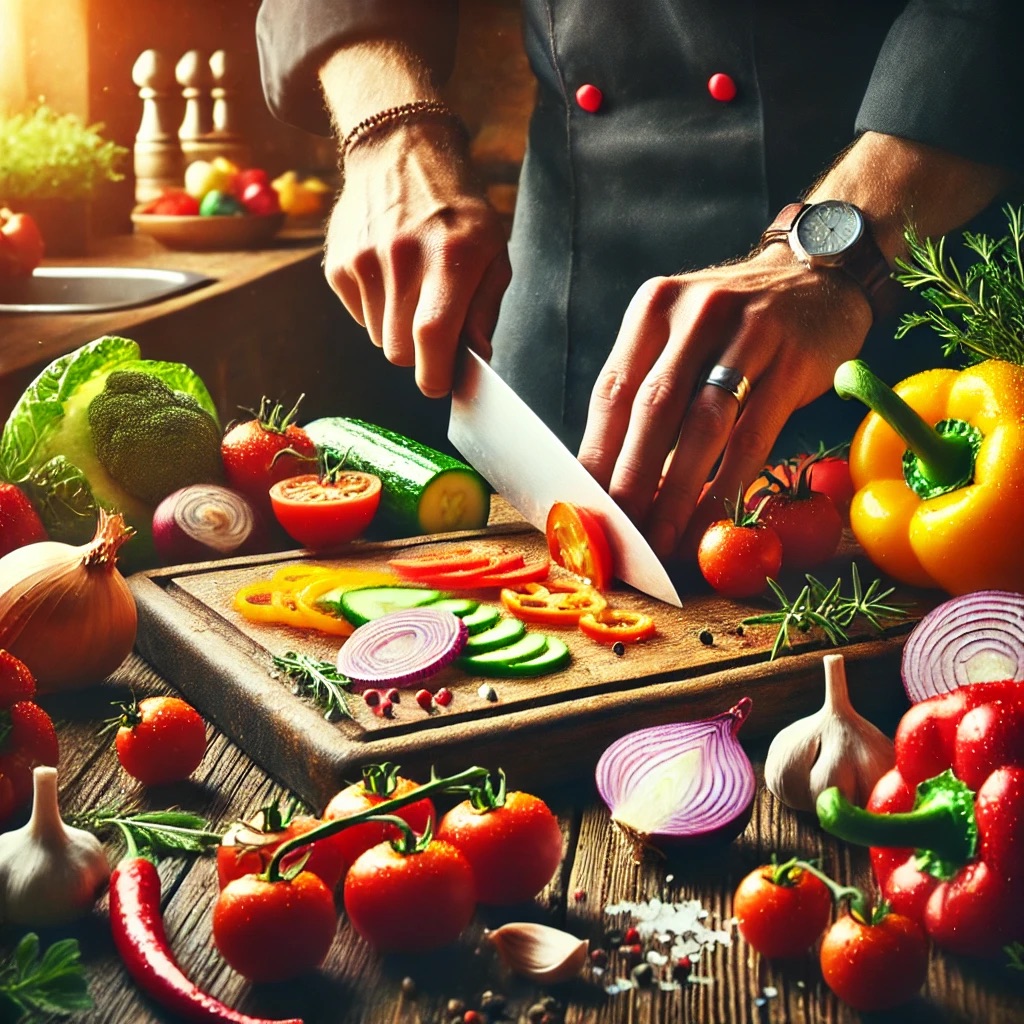
Cooking healthy doesn’t have to mean sacrificing flavor. In fact, one of the best ways to enhance the taste of your meals is by incorporating herbs and spices. These natural ingredients not only add depth and complexity to dishes but also offer numerous health benefits. In this blog post, we’ll explore the world of herbs and spices, how they can elevate your cooking, and some tips on how to use them effectively.
The Power of Herbs and Spices
Herbs and spices have been used for centuries, not just for their flavor but also for their medicinal properties. Many herbs and spices are rich in antioxidants, vitamins, and minerals. They can help reduce inflammation, boost metabolism, and even improve digestion. Using these natural flavor enhancers can improve the nutritional profile of your meals and make healthy eating more enjoyable.
Common Herbs and Their Benefits
- Basil: A key ingredient in Mediterranean cuisine, basil is packed with antioxidants and has anti-inflammatory properties. It adds a sweet, peppery flavor to dishes.
- Parsley: Often used as a garnish, parsley is rich in vitamins A, C, and K. It can freshen breath and aid digestion.
- Cilantro: Known for its unique flavor, cilantro is high in vitamins and may help lower blood sugar levels.
- Oregano: Commonly used in Italian dishes, oregano is a powerful antioxidant and has antibacterial properties.
- Thyme: This herb is known for its earthy flavor and has been used traditionally to help with respiratory issues and coughs.
Spices That Pack a Punch
- Turmeric: Known for its anti-inflammatory properties, turmeric adds a warm, earthy flavor and a vibrant yellow color to dishes.
- Cinnamon: This sweet spice is great for both sweet and savory dishes. It can help regulate blood sugar levels and reduce inflammation.
- Ginger: A staple in Asian cuisine, ginger adds a zesty flavor and aids in digestion. It’s also known for its anti-nausea effects.
- Garlic: A must-have in many kitchens, garlic boosts flavor and is known for its immune-boosting properties.
- Chili Powder: For those who enjoy a kick of heat, chili powder can rev up metabolism and add depth to dishes.
How to Incorporate Herbs and Spices into Your Cooking
Incorporating herbs and spices into your cooking can be simple and rewarding. Here are some tips to get you started:
Fresh vs. Dried
Both fresh and dried herbs have their place in the kitchen. Fresh herbs tend to have a brighter flavor and are best added towards the end of cooking. Dried herbs are more concentrated and can withstand longer cooking times. A general rule of thumb is to use three times the amount of fresh herbs compared to dried ones.
Experiment with Combinations
Don’t be afraid to mix and match herbs and spices to create unique flavor profiles. For example, try combining basil and oregano for an Italian flair, or mix cumin and coriander for a Middle Eastern twist. The possibilities are endless!
Use in Marinades and Dressings
Herbs and spices can transform marinades and salad dressings. Combine olive oil with garlic, lemon juice, and fresh herbs for a delicious dressing. For marinades, mix spices like paprika, cumin, and chili powder with yogurt or vinegar to infuse flavor into meats and veggies.
Infuse Oils and Vinegars
Infusing oils and vinegars with herbs can create flavorful bases for cooking or salad dressings. Simply add herbs to a bottle of olive oil or vinegar and let them sit for a week to infuse the flavors.
Add to Soups and Stews
Herbs and spices are perfect for enhancing the flavor of soups and stews. Add them early in the cooking process to allow the flavors to meld together. Some great combinations include thyme with chicken soup and cumin with vegetable stew.
Storing Your Herbs and Spices
To get the most flavor from your herbs and spices, proper storage is essential. Here are some tips:
- Keep Away from Heat and Light: Store herbs and spices in a cool, dark place to maintain their potency.
- Airtight Containers: Use airtight containers to prevent moisture from degrading the flavors.
- Label and Date: Label your containers with the name and date of purchase to keep track of freshness. Generally, dried herbs and spices are best used within six months to a year.
Conclusion
Herbs and spices are a fantastic way to add flavor to your healthy cooking without the need for excess salt or sugar. By incorporating these natural ingredients into your meals, you can enjoy delicious dishes that are also good for your health. So, the next time you cook, don’t forget to reach for those herbs and spices to enhance your culinary creations!
Related articles
 10 Essential Tips for Healthy Cooking at Home
 How to Make Nutritious Meals Without Sacrificing Flavor
 Meal Prep 101
Healthy Cooking for a Busy Lifestyle
Meal Prep 101
Healthy Cooking for a Busy Lifestyle
 The Art of Healthy Cooking
Simple Techniques for Delicious Meals
The Art of Healthy Cooking
Simple Techniques for Delicious Meals
 Exploring Superfoods
Elevate Your Healthy Cooking Game
Exploring Superfoods
Elevate Your Healthy Cooking Game
 Easy Swaps for Healthier Cooking
Recipes You’ll Love
Easy Swaps for Healthier Cooking
Recipes You’ll Love
 Cooking with Color
Nutrient-Dense Ingredients for Vibrant Meals
Cooking with Color
Nutrient-Dense Ingredients for Vibrant Meals
 Healthy Cooking on a Budget
Nutritious Meals for Less
Healthy Cooking on a Budget
Nutritious Meals for Less
 The Benefits of Cooking at Home
Healthier Choices Made Easy
The Benefits of Cooking at Home
Healthier Choices Made Easy
 Herbs and Spices
Flavor Your Healthy Cooking Naturally
Herbs and Spices
Flavor Your Healthy Cooking Naturally
 Healthy Cooking for Families
Tips to Please Everyone
Healthy Cooking for Families
Tips to Please Everyone
 The Best Kitchen Tools for Healthy Cooking
A Guide
The Best Kitchen Tools for Healthy Cooking
A Guide
 Gluten-Free Healthy Cooking
Delicious Recipes for All
Gluten-Free Healthy Cooking
Delicious Recipes for All
 Plant-Based Cooking
Nutritious Meals for Every Palate
Plant-Based Cooking
Nutritious Meals for Every Palate
 Healthy Cooking Techniques
Steaming, Grilling, and More
Healthy Cooking Techniques
Steaming, Grilling, and More
 Snacking Smart
Healthy Cooking for Easy Bites
Snacking Smart
Healthy Cooking for Easy Bites
 Quick and Healthy Weeknight Dinners
Meals in Under 30 Minutes
Quick and Healthy Weeknight Dinners
Meals in Under 30 Minutes
 Fermentation in Healthy Cooking
Benefits and Recipes
Fermentation in Healthy Cooking
Benefits and Recipes
 Healthy Cooking for Weight Loss
Tips and Tricks
Healthy Cooking for Weight Loss
Tips and Tricks
 The Power of Meal Planning
Healthy Cooking Made Simple
The Power of Meal Planning
Healthy Cooking Made Simple
 Healthy Cooking from Around the World
Global Flavors to Try
Healthy Cooking from Around the World
Global Flavors to Try
 Low-Calorie Healthy Cooking
Satisfying Meals Without the Guilt
Low-Calorie Healthy Cooking
Satisfying Meals Without the Guilt
 Cooking with Kids
Fun and Healthy Recipes for Family Time
Cooking with Kids
Fun and Healthy Recipes for Family Time
 Batch Cooking for a Healthy Week
Save Time and Eat Well
Batch Cooking for a Healthy Week
Save Time and Eat Well
 Healthy Cooking Myths Debunked
What You Really Need to Know
Healthy Cooking Myths Debunked
What You Really Need to Know
 Seasonal Eating
How to Cook Healthy with Fresh Ingredients
Seasonal Eating
How to Cook Healthy with Fresh Ingredients
 Healthy Cooking on the Grill
Delicious Meals for Summer
Healthy Cooking on the Grill
Delicious Meals for Summer
 The Importance of Portion Control in Healthy Cooking
 Healthy Cooking for Heart Health
Recipes and Tips
Healthy Cooking for Heart Health
Recipes and Tips
 Savory and Sweet
Healthy Cooking with Natural Sweeteners
Savory and Sweet
Healthy Cooking with Natural Sweeteners
 Creative Leftovers
Transforming Meals into Healthy Delights
Creative Leftovers
Transforming Meals into Healthy Delights
 Healthy Cooking for Seniors
Nutritious Meals for Aging Well
Healthy Cooking for Seniors
Nutritious Meals for Aging Well
 The Science of Healthy Cooking
Nutrition Explained
The Science of Healthy Cooking
Nutrition Explained
 Healthy Cooking Hacks
Time-Saving Tips for Busy Chefs
Healthy Cooking Hacks
Time-Saving Tips for Busy Chefs
Flavorful Sauces and Dressings for Healthy Cooking
Healthy Cooking for Athletes
Fuel Your Performance
Mindful Cooking
Connect with Your Food for Better Health
Healthy Cooking and Meal Diversity
Keep Your Plate Interesting
Dairy-Free Healthy Cooking
Alternatives and Recipes
Healthy Cooking with Whole Grains
Benefits and Recipes
Cooking for Immunity
Healthy Meals to Boost Your Health
Categories