The art of cooking
AI CHEF Blog

Healthy Cooking for Families: Tips to Please Everyone
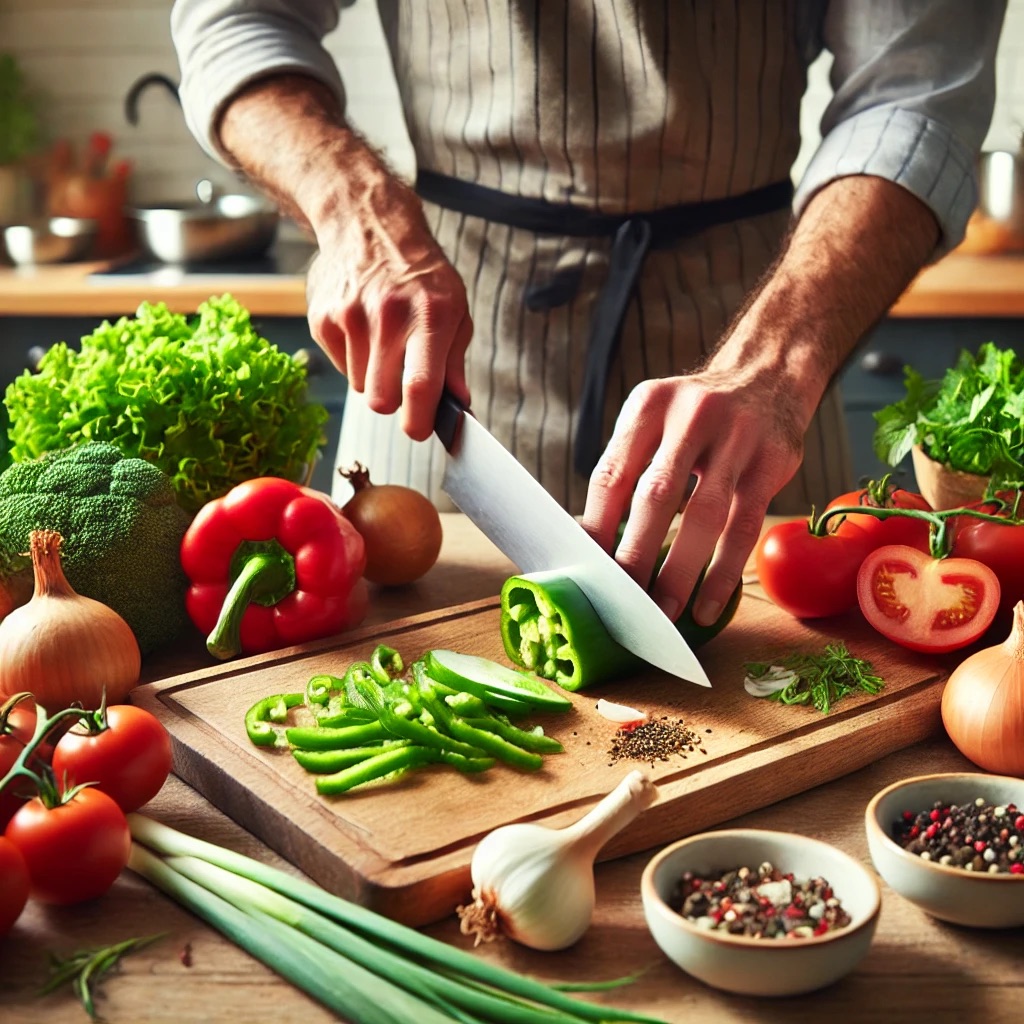
Cooking healthy meals for your family can feel like a daunting task. With busy schedules, differing tastes, and the constant challenge of getting kids to eat their vegetables, it’s no wonder many parents feel overwhelmed in the kitchen. However, healthy cooking doesn’t have to be complicated or boring. With the right approach, you can prepare nutritious meals that satisfy everyone at the table. Here are some tips to get you started.
1. Get Everyone Involved
One way to ensure that everyone enjoys the meals you prepare is to involve them in the cooking process. Let your kids help with age-appropriate tasks, such as washing vegetables, stirring ingredients, or setting the table. Not only does this make cooking fun, but it also helps children feel more invested in the meals, making them more likely to eat what you've prepared.
2. Plan Your Meals
Meal planning is a crucial step in healthy cooking. Take some time each week to plan your meals, taking into account your family’s preferences and any dietary restrictions. Aim for a variety of proteins, vegetables, and grains to keep things interesting. By planning ahead, you’ll save time during the week and reduce the likelihood of resorting to unhealthy convenience foods.
3. Focus on Whole Foods
Whole foods—foods that are unprocessed and free from artificial ingredients—should be the foundation of your family’s diet. Fill your pantry and fridge with fresh fruits and vegetables, whole grains, lean proteins, and healthy fats. These foods provide essential nutrients and will help your family feel full and satisfied without the need for added sugars or unhealthy fats.
4. Create Balanced Meals
A balanced meal typically consists of a source of protein, healthy carbohydrates, and plenty of vegetables. Here’s a simple guide to creating balanced meals:
- Protein: Incorporate sources like chicken, turkey, fish, beans, or tofu.
- Carbohydrates: Choose whole grains such as brown rice, quinoa, or whole-wheat pasta.
- Vegetables: Aim to fill half your plate with a variety of colorful vegetables.
5. Experiment with Flavors
Don’t be afraid to experiment with herbs and spices to enhance the flavor of your dishes. Kids may be more willing to try new foods if they are seasoned well. Consider using garlic, ginger, basil, cilantro, or lemon juice to add a burst of flavor. Just remember to introduce new flavors gradually, as some children may be sensitive to stronger tastes.
6. Make Healthy Swaps
There are numerous ways to make traditional family recipes healthier without sacrificing taste. Here are some ideas:
- Substitute whole-grain pasta for white pasta.
- Use Greek yogurt instead of sour cream in dips and dressings.
- Replace ground beef with ground turkey or lentils in chili or tacos.
- Swap out heavy cream for coconut milk or almond milk in soups and sauces.
7. Keep Snacks Healthy
Healthy snacks can help curb hunger and prevent unhealthy eating habits. Stock your pantry and fridge with nutritious snacks like:
- Fresh fruits and vegetables with hummus or yogurt dip
- Whole grain crackers with cheese
- Nuts and seeds
- Popcorn (air-popped for less fat)
- Granola bars with minimal added sugars
8. Be Mindful of Portions
Teaching your family about portion sizes can also promote healthy eating habits. Serve meals on smaller plates to help control portion sizes, and encourage your family to listen to their bodies and eat until they are satisfied rather than stuffed. This practice can help prevent overeating and foster a healthier relationship with food.
9. Make it Fun
Healthy cooking doesn’t have to be a chore! Make it a fun experience by trying themed dinners, cooking competitions, or even creating a family cookbook. You can also have “Taste Test Tuesdays,” where everyone tries a new fruit or vegetable. Encouraging a fun atmosphere around cooking can inspire your family to be more adventurous with their food choices.
10. Lead by Example
Children are more likely to adopt healthy eating habits if they see their parents practicing them. Make an effort to showcase your enjoyment of healthy foods and cooking. Share your favorite recipes and talk about the benefits of nutrition. When your family sees you prioritizing healthy eating, they will be more inclined to follow suit.
Conclusion
Healthy cooking for families is all about balance, creativity, and involving everyone in the process. By planning meals, focusing on whole foods, experimenting with flavors, and making cooking fun, you can create an environment where nutritious eating is the norm. Remember that it’s okay to have treats occasionally; the goal is to create a sustainable, healthy lifestyle that everyone can enjoy. With these tips, you’ll be well on your way to pleasing even the pickiest eaters at your table!
Related articles
 10 Essential Tips for Healthy Cooking at Home
 How to Make Nutritious Meals Without Sacrificing Flavor
 Meal Prep 101
Healthy Cooking for a Busy Lifestyle
Meal Prep 101
Healthy Cooking for a Busy Lifestyle
 The Art of Healthy Cooking
Simple Techniques for Delicious Meals
The Art of Healthy Cooking
Simple Techniques for Delicious Meals
 Exploring Superfoods
Elevate Your Healthy Cooking Game
Exploring Superfoods
Elevate Your Healthy Cooking Game
 Easy Swaps for Healthier Cooking
Recipes You’ll Love
Easy Swaps for Healthier Cooking
Recipes You’ll Love
 Cooking with Color
Nutrient-Dense Ingredients for Vibrant Meals
Cooking with Color
Nutrient-Dense Ingredients for Vibrant Meals
 Healthy Cooking on a Budget
Nutritious Meals for Less
Healthy Cooking on a Budget
Nutritious Meals for Less
 The Benefits of Cooking at Home
Healthier Choices Made Easy
The Benefits of Cooking at Home
Healthier Choices Made Easy
 Herbs and Spices
Flavor Your Healthy Cooking Naturally
Herbs and Spices
Flavor Your Healthy Cooking Naturally
 Healthy Cooking for Families
Tips to Please Everyone
Healthy Cooking for Families
Tips to Please Everyone
 The Best Kitchen Tools for Healthy Cooking
A Guide
The Best Kitchen Tools for Healthy Cooking
A Guide
 Gluten-Free Healthy Cooking
Delicious Recipes for All
Gluten-Free Healthy Cooking
Delicious Recipes for All
 Plant-Based Cooking
Nutritious Meals for Every Palate
Plant-Based Cooking
Nutritious Meals for Every Palate
 Healthy Cooking Techniques
Steaming, Grilling, and More
Healthy Cooking Techniques
Steaming, Grilling, and More
 Snacking Smart
Healthy Cooking for Easy Bites
Snacking Smart
Healthy Cooking for Easy Bites
 Quick and Healthy Weeknight Dinners
Meals in Under 30 Minutes
Quick and Healthy Weeknight Dinners
Meals in Under 30 Minutes
 Fermentation in Healthy Cooking
Benefits and Recipes
Fermentation in Healthy Cooking
Benefits and Recipes
 Healthy Cooking for Weight Loss
Tips and Tricks
Healthy Cooking for Weight Loss
Tips and Tricks
 The Power of Meal Planning
Healthy Cooking Made Simple
The Power of Meal Planning
Healthy Cooking Made Simple
 Healthy Cooking from Around the World
Global Flavors to Try
Healthy Cooking from Around the World
Global Flavors to Try
 Low-Calorie Healthy Cooking
Satisfying Meals Without the Guilt
Low-Calorie Healthy Cooking
Satisfying Meals Without the Guilt
 Cooking with Kids
Fun and Healthy Recipes for Family Time
Cooking with Kids
Fun and Healthy Recipes for Family Time
 Batch Cooking for a Healthy Week
Save Time and Eat Well
Batch Cooking for a Healthy Week
Save Time and Eat Well
 Healthy Cooking Myths Debunked
What You Really Need to Know
Healthy Cooking Myths Debunked
What You Really Need to Know
 Seasonal Eating
How to Cook Healthy with Fresh Ingredients
Seasonal Eating
How to Cook Healthy with Fresh Ingredients
 Healthy Cooking on the Grill
Delicious Meals for Summer
Healthy Cooking on the Grill
Delicious Meals for Summer
 The Importance of Portion Control in Healthy Cooking
 Healthy Cooking for Heart Health
Recipes and Tips
Healthy Cooking for Heart Health
Recipes and Tips
 Savory and Sweet
Healthy Cooking with Natural Sweeteners
Savory and Sweet
Healthy Cooking with Natural Sweeteners
 Creative Leftovers
Transforming Meals into Healthy Delights
Creative Leftovers
Transforming Meals into Healthy Delights
 Healthy Cooking for Seniors
Nutritious Meals for Aging Well
Healthy Cooking for Seniors
Nutritious Meals for Aging Well
 The Science of Healthy Cooking
Nutrition Explained
The Science of Healthy Cooking
Nutrition Explained
 Healthy Cooking Hacks
Time-Saving Tips for Busy Chefs
Healthy Cooking Hacks
Time-Saving Tips for Busy Chefs
Flavorful Sauces and Dressings for Healthy Cooking
Healthy Cooking for Athletes
Fuel Your Performance
Mindful Cooking
Connect with Your Food for Better Health
Healthy Cooking and Meal Diversity
Keep Your Plate Interesting
Dairy-Free Healthy Cooking
Alternatives and Recipes
Healthy Cooking with Whole Grains
Benefits and Recipes
Cooking for Immunity
Healthy Meals to Boost Your Health
Categories