The art of cooking
AI CHEF Blog

Healthy Cooking with Whole Grains: Benefits and Recipes
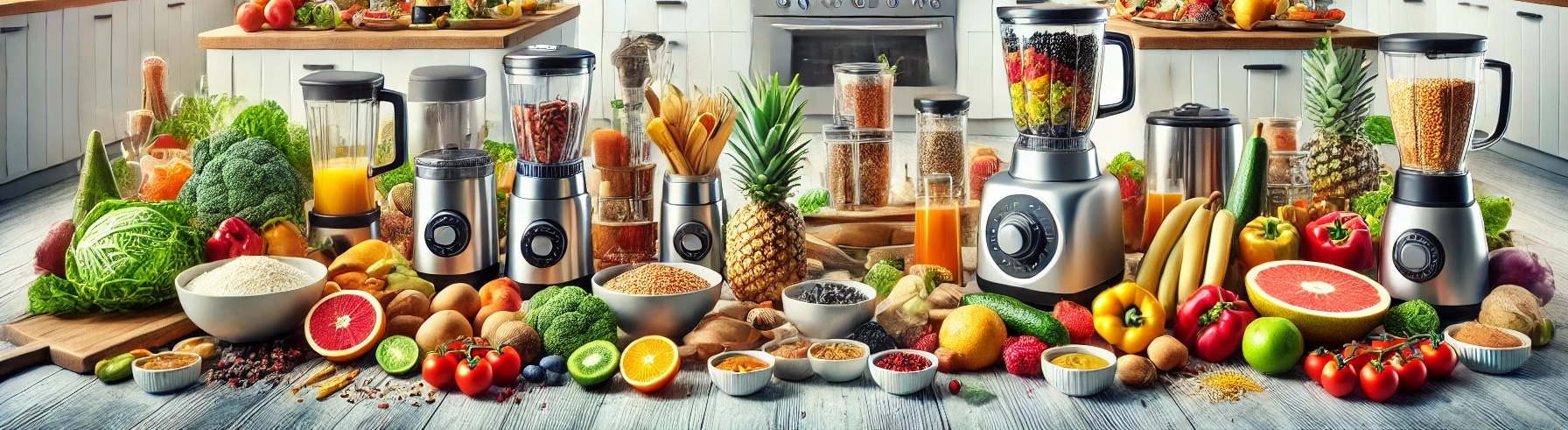
In recent years, the culinary world has seen a significant shift toward healthier eating, with many people turning to whole grains as a staple in their diets. Whole grains are not only nutritious but also versatile, making them an excellent choice for various recipes. In this blog post, we will explore the benefits of incorporating whole grains into your cooking, along with some delicious recipes to inspire you to embrace this healthy trend.
What Are Whole Grains?
Whole grains refer to grains that contain all three parts of the grain kernel: the bran, germ, and endosperm. This means that when you consume whole grains, you are getting the full nutritional profile of the grain, unlike refined grains, which have been stripped of the bran and germ during processing. Common whole grains include:
- Brown rice
- Quinoa
- Barley
- Oats
- Whole wheat
- Bulgur
- Millet
Benefits of Whole Grains
-
Nutritional Powerhouses: Whole grains are rich in essential nutrients, including fiber, vitamins (such as B vitamins), minerals (like iron and magnesium), and antioxidants. These nutrients play a vital role in maintaining overall health.
-
Heart Health: Consuming whole grains has been linked to a reduced risk of heart disease. The high fiber content helps lower cholesterol levels and improves heart health by promoting healthy blood pressure.
-
Weight Management: Whole grains are more filling than their refined counterparts, which can help control appetite and contribute to weight management. The fiber content slows digestion, keeping you satisfied for longer periods.
-
Digestive Health: The fiber in whole grains promotes healthy digestion by preventing constipation and supporting a healthy gut microbiome.
-
Diabetes Management: Whole grains have a lower glycemic index compared to refined grains, making them a better choice for blood sugar control. This can be particularly beneficial for individuals with diabetes or those at risk of developing the condition.
Cooking with Whole Grains
Incorporating whole grains into your cooking is easier than you might think. Here are some tips to help you get started:
- Substitute Whole Grains: When a recipe calls for white rice or refined pasta, try substituting it with brown rice, quinoa, or whole grain pasta. This simple swap can enhance the nutritional value of your meal.
- Experiment with Different Grains: Don’t be afraid to explore various whole grains. Each grain has its unique flavor and texture, which can add an exciting twist to your dishes.
- Make Breakfast Whole Grain: Start your day with a bowl of oatmeal or whole grain cereal. You can also try adding cooked quinoa or barley to smoothies for an extra nutritional boost.
- Add Whole Grains to Salads: Incorporating grains like farro, bulgur, or quinoa into salads can make them more filling and nutritious. Toss in your favorite vegetables and a light dressing for a healthy meal.
Delicious Whole Grain Recipes
Here are three delicious and easy whole grain recipes to help you get started on your healthy cooking journey:
1. Quinoa Salad with Roasted Vegetables
Ingredients:
- 1 cup quinoa, rinsed
- 2 cups vegetable broth or water
- 2 cups mixed vegetables (bell peppers, zucchini, carrots, etc.), chopped
- 2 tablespoons olive oil
- Salt and pepper to taste
- 1 teaspoon dried herbs (thyme, oregano, or basil)
- Juice of 1 lemon
Instructions:
- Preheat your oven to 400°F (200°C).
- In a baking dish, toss the chopped vegetables with olive oil, salt, pepper, and dried herbs. Roast in the oven for 20-25 minutes or until tender and slightly caramelized.
- Meanwhile, cook the quinoa in vegetable broth or water according to package instructions.
- Once cooked, fluff the quinoa with a fork and mix in the roasted vegetables. Drizzle with lemon juice before serving.
2. Whole Wheat Pancakes
Ingredients:
- 1 cup whole wheat flour
- 1 tablespoon baking powder
- 1 tablespoon sugar (optional)
- 1/2 teaspoon salt
- 1 cup milk (dairy or non-dairy)
- 1 large egg
- 2 tablespoons melted butter or oil
Instructions:
- In a large bowl, whisk together the whole wheat flour, baking powder, sugar (if using), and salt.
- In another bowl, mix the milk, egg, and melted butter or oil.
- Pour the wet ingredients into the dry ingredients and stir until just combined. Do not overmix; some lumps are okay.
- Heat a skillet over medium heat and lightly grease it. Pour about 1/4 cup of batter for each pancake and cook until bubbles form on the surface. Flip and cook until golden brown.
- Serve with fresh fruit, yogurt, or maple syrup.
3. Barley Vegetable Soup
Ingredients:
- 1 cup pearl barley, rinsed
- 1 tablespoon olive oil
- 1 onion, chopped
- 2 carrots, chopped
- 2 celery stalks, chopped
- 3 cloves garlic, minced
- 6 cups vegetable broth
- 1 can diced tomatoes (14 oz)
- 2 cups kale or spinach, chopped
- Salt and pepper to taste
Instructions:
- In a large pot, heat the olive oil over medium heat. Add the onion, carrots, and celery, and sauté until softened, about 5-7 minutes.
- Stir in the garlic and cook for another minute.
- Add the vegetable broth, rinsed barley, and diced tomatoes. Bring to a boil, then reduce heat and simmer for about 30-40 minutes, or until the barley is tender.
- Stir in the kale or spinach and season with salt and pepper. Cook for an additional 5 minutes before serving.
Conclusion
Cooking with whole grains is a wonderful way to enhance your meals' nutritional value while enjoying diverse flavors and textures. With numerous health benefits and endless recipe possibilities, whole grains can easily become a staple in your kitchen. Try out these recipes and discover the joy of healthy cooking with whole grains. Embrace this wholesome approach to eating and nourish your body with the goodness of nature's finest ingredients.
Related articles
 10 Essential Tips for Healthy Cooking at Home
 How to Make Nutritious Meals Without Sacrificing Flavor
 Meal Prep 101
Healthy Cooking for a Busy Lifestyle
Meal Prep 101
Healthy Cooking for a Busy Lifestyle
 The Art of Healthy Cooking
Simple Techniques for Delicious Meals
The Art of Healthy Cooking
Simple Techniques for Delicious Meals
 Exploring Superfoods
Elevate Your Healthy Cooking Game
Exploring Superfoods
Elevate Your Healthy Cooking Game
 Easy Swaps for Healthier Cooking
Recipes You’ll Love
Easy Swaps for Healthier Cooking
Recipes You’ll Love
 Cooking with Color
Nutrient-Dense Ingredients for Vibrant Meals
Cooking with Color
Nutrient-Dense Ingredients for Vibrant Meals
 Healthy Cooking on a Budget
Nutritious Meals for Less
Healthy Cooking on a Budget
Nutritious Meals for Less
 The Benefits of Cooking at Home
Healthier Choices Made Easy
The Benefits of Cooking at Home
Healthier Choices Made Easy
 Herbs and Spices
Flavor Your Healthy Cooking Naturally
Herbs and Spices
Flavor Your Healthy Cooking Naturally
 Healthy Cooking for Families
Tips to Please Everyone
Healthy Cooking for Families
Tips to Please Everyone
 The Best Kitchen Tools for Healthy Cooking
A Guide
The Best Kitchen Tools for Healthy Cooking
A Guide
 Gluten-Free Healthy Cooking
Delicious Recipes for All
Gluten-Free Healthy Cooking
Delicious Recipes for All
 Plant-Based Cooking
Nutritious Meals for Every Palate
Plant-Based Cooking
Nutritious Meals for Every Palate
 Healthy Cooking Techniques
Steaming, Grilling, and More
Healthy Cooking Techniques
Steaming, Grilling, and More
 Snacking Smart
Healthy Cooking for Easy Bites
Snacking Smart
Healthy Cooking for Easy Bites
 Quick and Healthy Weeknight Dinners
Meals in Under 30 Minutes
Quick and Healthy Weeknight Dinners
Meals in Under 30 Minutes
 Fermentation in Healthy Cooking
Benefits and Recipes
Fermentation in Healthy Cooking
Benefits and Recipes
 Healthy Cooking for Weight Loss
Tips and Tricks
Healthy Cooking for Weight Loss
Tips and Tricks
 The Power of Meal Planning
Healthy Cooking Made Simple
The Power of Meal Planning
Healthy Cooking Made Simple
 Healthy Cooking from Around the World
Global Flavors to Try
Healthy Cooking from Around the World
Global Flavors to Try
 Low-Calorie Healthy Cooking
Satisfying Meals Without the Guilt
Low-Calorie Healthy Cooking
Satisfying Meals Without the Guilt
 Cooking with Kids
Fun and Healthy Recipes for Family Time
Cooking with Kids
Fun and Healthy Recipes for Family Time
 Batch Cooking for a Healthy Week
Save Time and Eat Well
Batch Cooking for a Healthy Week
Save Time and Eat Well
 Healthy Cooking Myths Debunked
What You Really Need to Know
Healthy Cooking Myths Debunked
What You Really Need to Know
 Seasonal Eating
How to Cook Healthy with Fresh Ingredients
Seasonal Eating
How to Cook Healthy with Fresh Ingredients
 Healthy Cooking on the Grill
Delicious Meals for Summer
Healthy Cooking on the Grill
Delicious Meals for Summer
 The Importance of Portion Control in Healthy Cooking
 Healthy Cooking for Heart Health
Recipes and Tips
Healthy Cooking for Heart Health
Recipes and Tips
 Savory and Sweet
Healthy Cooking with Natural Sweeteners
Savory and Sweet
Healthy Cooking with Natural Sweeteners
 Creative Leftovers
Transforming Meals into Healthy Delights
Creative Leftovers
Transforming Meals into Healthy Delights
 Healthy Cooking for Seniors
Nutritious Meals for Aging Well
Healthy Cooking for Seniors
Nutritious Meals for Aging Well
 The Science of Healthy Cooking
Nutrition Explained
The Science of Healthy Cooking
Nutrition Explained
 Healthy Cooking Hacks
Time-Saving Tips for Busy Chefs
Healthy Cooking Hacks
Time-Saving Tips for Busy Chefs
Flavorful Sauces and Dressings for Healthy Cooking
Healthy Cooking for Athletes
Fuel Your Performance
Mindful Cooking
Connect with Your Food for Better Health
Healthy Cooking and Meal Diversity
Keep Your Plate Interesting
Dairy-Free Healthy Cooking
Alternatives and Recipes
Healthy Cooking with Whole Grains
Benefits and Recipes
Cooking for Immunity
Healthy Meals to Boost Your Health
Categories