The art of cooking
AI CHEF Blog

How Heat Affects Flavor: Cooking Techniques Explained
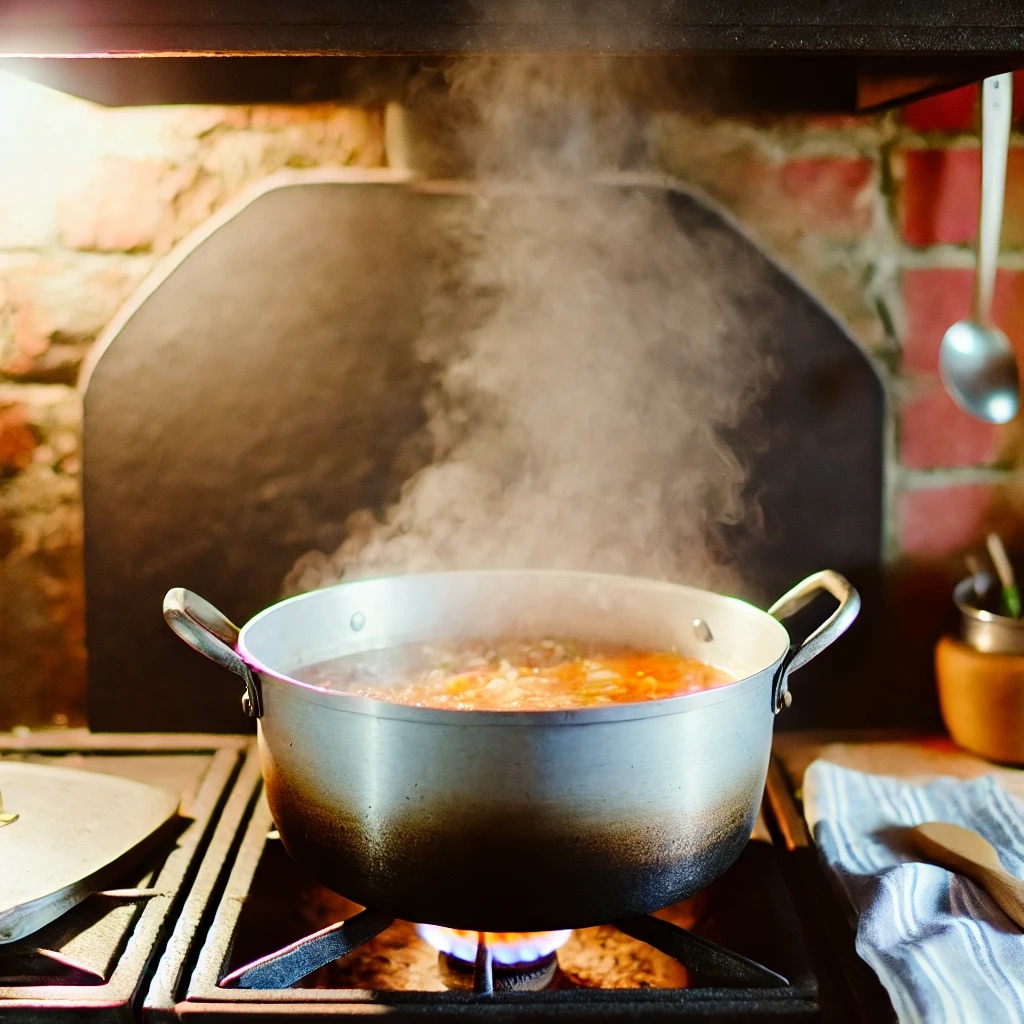
The relationship between heat and flavor is one of the most fascinating aspects of cooking. While we often focus on the ingredients themselves, it’s the application of heat that transforms those ingredients into something extraordinary. Understanding how heat affects flavor can elevate your culinary skills and help you create delicious meals. In this blog post, we will explore various cooking techniques and their impact on flavor, delving into the science behind why certain methods yield better results than others.
The Science of Heat and Flavor
Before we dive into specific cooking techniques, it’s essential to understand how heat affects flavor on a molecular level. When food is heated, several chemical reactions take place. These reactions can enhance or diminish certain flavors, creating new taste experiences.
-
Maillard Reaction: This process occurs when proteins and sugars in food react under heat, creating complex flavors and aromas. This is why seared meats, toasted bread, and roasted coffee have such rich, deep flavors. The Maillard reaction is responsible for the browning of foods and is a key factor in developing savory notes in cooked dishes.
-
Caramelization: Unlike the Maillard reaction, which involves proteins, caramelization specifically refers to the oxidation of sugars. When sugars are heated, they break down and develop a golden-brown color and a rich, sweet flavor. This technique is what gives caramel sauce its distinctive taste and color, and it's also responsible for the sweetness in roasted vegetables.
-
Evaporation: Heat causes water to evaporate from food, concentrating flavors. For example, when you simmer a sauce to reduce it, you’re not only thickening it but also intensifying its flavor as the water content decreases.
-
Denaturation: Heat causes proteins to denature, or change their structure. This process can affect the texture and flavor of foods, particularly in meat and eggs. For instance, as steak cooks, its proteins unravel and reconfigure, creating a firmer texture and altering its flavor profile.
Cooking Techniques and Their Flavor Impacts
Now that we understand the science behind heat and flavor, let’s explore some common cooking techniques and their effects on taste.
1. Searing
Searing is a high-heat cooking method that creates a browned crust on the surface of food, often meat. This technique is crucial for developing flavors through the Maillard reaction. The key to a perfect sear is to ensure that the surface of the food is dry and to use a hot pan. Once the food is seared, it can be finished by roasting, braising, or simmering, allowing the flavors to meld while keeping the outer crust intact.
2. Roasting
Roasting involves cooking food evenly in an oven, using dry heat. This technique is excellent for enhancing natural sweetness and developing complex flavors. Vegetables caramelize beautifully when roasted, and meats become tender and flavorful as their juices concentrate. The even heat of the oven allows for a thorough cooking process, lending to a delicious depth of flavor.
3. Grilling
Grilling imparts a unique smoky flavor to food, thanks to the direct exposure to flames. The high heat causes the Maillard reaction, creating flavorful crusts, while the smoke adds an additional layer of complexity. Additionally, the fat that drips away during grilling helps reduce grease, making grilled food often feel lighter than other cooking methods.
4. Braising
Braising is a combination cooking method that involves first searing food at high heat and then cooking it slowly in liquid. This technique is perfect for tougher cuts of meat, as the slow cooking process breaks down collagen, resulting in tender, flavorful dishes. The liquid used in braising absorbs the flavors from the meat and aromatics, creating a rich sauce that enhances the overall dish.
5. Steaming
Steaming is a gentle cooking method that preserves the natural flavors and nutrients of food. Since steaming uses moist heat, it can enhance the natural sweetness of vegetables without the need for added fats or sugars. However, it may not create the same depth of flavor as roasting or grilling, as it doesn’t promote browning. To enhance the flavor of steamed foods, consider adding herbs, spices, or sauces after cooking.
6. Sous Vide
This modern cooking technique involves vacuum-sealing food in a bag and immersing it in a water bath at a precise temperature. Sous vide allows for even cooking and retains moisture, resulting in incredibly tender and flavorful dishes. Because the food is cooked slowly at a controlled temperature, it doesn’t lose its natural juices, enhancing the overall flavor profile.
7. Frying
Frying can be divided into two categories: deep frying and pan frying. Both methods utilize high heat to create a crispy exterior, which is appealing to the palate. The oil used in frying also contributes to the flavor, especially if it’s infused with herbs or spices. The high temperature facilitates the Maillard reaction, creating a savory taste that many people love.
The Role of Temperature
The temperature at which you cook food significantly impacts flavor. Different cooking techniques require different temperatures, each bringing out unique flavors:
- Low and Slow: Cooking at low temperatures for an extended period allows flavors to meld and develop complexity. This is common in methods like braising and slow roasting.
- High Heat: Cooking quickly at high temperatures creates caramelization and browning, which enhances flavor. Techniques such as searing, grilling, and frying utilize this principle.
Enhancing Flavor Through Technique
To maximize flavor in your cooking, consider combining techniques. For example, sear a piece of meat to develop a crust, then braise it in a flavorful liquid to tenderize and infuse it with taste. Alternatively, roast vegetables to caramelize their sugars, then toss them with a vinaigrette for added brightness.
Conclusion
Understanding how heat affects flavor is crucial for any home cook looking to elevate their culinary creations. Each cooking technique offers a unique way to manipulate ingredients, transforming them into delicious, complex dishes. By experimenting with various methods and paying attention to the science behind cooking, you can discover new flavors and textures that will delight your palate and impress your guests. So, heat up your kitchen, and start experimenting with these techniques to unlock the full potential of your ingredients!
Related articles
 The Basics of Flavor
Understanding the Five Tastes
The Basics of Flavor
Understanding the Five Tastes
 Umami
The Science Behind the Fifth Taste
Umami
The Science Behind the Fifth Taste
 The Role of Acidity in Cooking
Balancing Flavors
The Role of Acidity in Cooking
Balancing Flavors
 The Maillard Reaction
The Science of Browning Food
The Maillard Reaction
The Science of Browning Food
 How Heat Affects Flavor
Cooking Techniques Explained
How Heat Affects Flavor
Cooking Techniques Explained
 Exploring Aromatics
The Science of Flavor Enhancers
Exploring Aromatics
The Science of Flavor Enhancers
 Fermentation
A Deep Dive into Flavor Development
Fermentation
A Deep Dive into Flavor Development
 The Chemistry of Spices
Unlocking Their Flavor Potential
The Chemistry of Spices
Unlocking Their Flavor Potential
 Sous Vide Cooking
Precision and Flavor Enhancement
Sous Vide Cooking
Precision and Flavor Enhancement
 The Art of Seasoning
When and How to Use Salt
The Art of Seasoning
When and How to Use Salt
 Flavor Pairing
The Science Behind Complementary Ingredients
Flavor Pairing
The Science Behind Complementary Ingredients
 The Impact of Cooking Techniques on Nutritional Value
 How to Build Flavor in Your Dishes
A Scientific Approach
How to Build Flavor in Your Dishes
A Scientific Approach
 Exploring the Science of Marinades and Brines
 The Role of Fat in Flavor
Why It Matters
The Role of Fat in Flavor
Why It Matters
 Baking Science
The Chemistry of Cakes and Breads
Baking Science
The Chemistry of Cakes and Breads
 Understanding Texture
The Unsung Hero of Flavor
Understanding Texture
The Unsung Hero of Flavor
 Cooking with Wine
The Science of Flavor Infusion
Cooking with Wine
The Science of Flavor Infusion
 The Importance of Fresh Ingredients in Flavor Development
 The Science of Cooking Techniques
From Searing to Stewing
The Science of Cooking Techniques
From Searing to Stewing
 How to Enhance Flavor with Herbs and Spices
 The Chemistry of Sweetness
Sugar's Role in Cooking
The Chemistry of Sweetness
Sugar's Role in Cooking
 Understanding Flavor Profiles
A Guide for Home Cooks
Understanding Flavor Profiles
A Guide for Home Cooks
 The Science of Cooking Temperatures
What You Need to Know
The Science of Cooking Temperatures
What You Need to Know
 Flavorful Fats
Exploring Oils, Butters, and More
Flavorful Fats
Exploring Oils, Butters, and More
 The Evolution of Cooking Techniques
A Scientific Perspective
The Evolution of Cooking Techniques
A Scientific Perspective
 The Art of Plating
How Presentation Affects Perception of Flavor
The Art of Plating
How Presentation Affects Perception of Flavor
 Understanding Flavor in Different Cuisines
A Scientific Exploration
Understanding Flavor in Different Cuisines
A Scientific Exploration
 The Role of Texture in Flavor Perception
Why It Matters
The Role of Texture in Flavor Perception
Why It Matters
 How Cooking Methods Influence Flavor Development
 The Science of Temperature
Why It Affects Flavor
The Science of Temperature
Why It Affects Flavor
 From Farm to Table
The Science of Fresh Ingredient Flavor
From Farm to Table
The Science of Fresh Ingredient Flavor
 The Chemistry of Flavor
How Ingredients Interact
The Chemistry of Flavor
How Ingredients Interact
 Cooking with Confidence
Understanding Flavor Fundamentals
Cooking with Confidence
Understanding Flavor Fundamentals
How to Create Depth of Flavor
Techniques for Success
The Science of Taste
How Our Senses Influence Flavor
Flavor Chemistry
Understanding the Building Blocks of Taste
The Psychology of Flavor
How Perception Influences Enjoyment
Exploring Global Flavors
A Scientific Journey Through Cooking
Cooking Techniques
Exploring the Science Behind Popular Methods
The Science of Cooking Oils
Choosing the Right One for Flavor
The Art and Science of Infusing Flavors into Oils and Vinegars
The Connection Between Flavor and Memory
A Culinary Perspective
Mastering Flavor Balance
The Key to Great Cooking
Understanding Flavor Enhancers
The Science of MSG and Beyond
The Role of Cooking Time in Flavor Development
What You Should Know
The Future of Flavor
Trends in Cooking Science and Technology
Categories