The art of cooking
AI CHEF Blog

Exploring the Science of Marinades and Brines
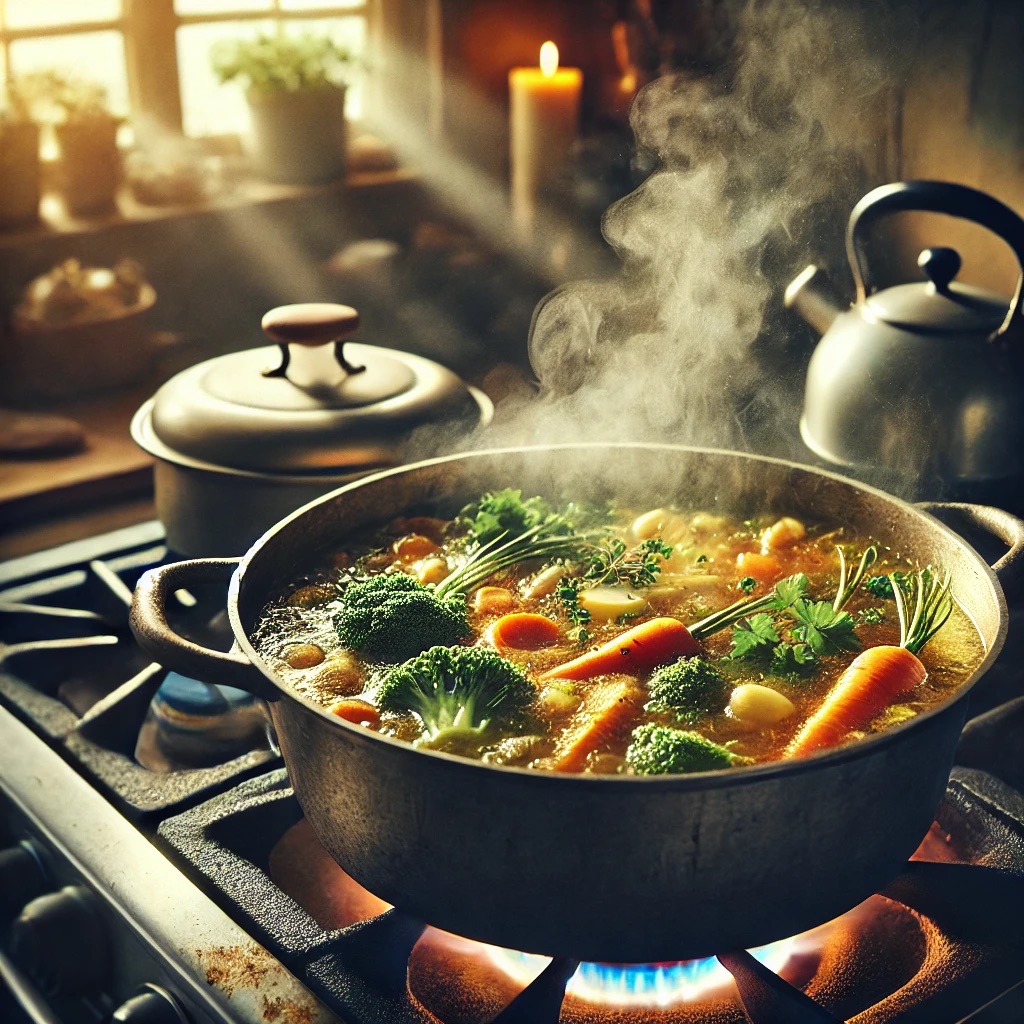
Marinades and brines are fundamental techniques in the culinary world, transforming ordinary ingredients into extraordinary dishes. Whether you are preparing a juicy steak, succulent chicken, or vibrant vegetables, understanding the science behind these techniques can elevate your cooking to new heights. In this blog post, we will delve into the fascinating world of marinades and brines, exploring their components, the science behind their effectiveness, and how to use them to enhance flavor and texture.
What is a Marinade?
A marinade is a mixture, typically composed of an acid (like vinegar, citrus juice, or wine), oil, and various flavoring agents such as herbs, spices, and aromatics. The primary purpose of a marinade is to infuse flavor into the food and, in some cases, tenderize it. Marinades can be used for a variety of proteins, from meats to fish to tofu, and even vegetables.
The Components of a Marinade
Understanding the basic components of a marinade is crucial for creating a balanced and flavorful mixture. Here are the key ingredients:
- Acid: The acid in a marinade acts to tenderize the proteins. It breaks down the tough muscle fibers and connective tissues, making the food more palatable. Common acids include vinegar, citrus juice, and yogurt.
- Oil: Oil serves as a medium to dissolve and carry fat-soluble flavors into the food. It also helps to create a barrier that prevents moisture loss during cooking. Olive oil, sesame oil, and canola oil are popular choices.
- Flavoring Agents: These can include a wide range of ingredients, such as garlic, onion, herbs, spices, and even sugars. They enhance the overall flavor profile of the dish.
The Science Behind Marinades
When food is immersed in a marinade, several chemical processes occur:
- Osmosis: This process involves the movement of water and flavor molecules from the marinade into the food. The food absorbs the marinade, leading to enhanced flavor.
- Denaturation: The acid in the marinade denatures proteins, causing them to unfold and break down. This not only tenderizes the meat but also allows for better flavor absorption.
- Emulsification: When oil and acid are combined, they can form an emulsion. This allows for a uniform distribution of flavor and moisture around the food.
How to Properly Marinate
To maximize the benefits of marinades, consider the following tips:
- Timing: The duration of marination is crucial. Delicate proteins, like fish, should marinate for 15-30 minutes, while tougher cuts of meat can benefit from several hours or even overnight.
- Temperature: Always marinate in the refrigerator to prevent the growth of harmful bacteria. Avoid marinating at room temperature.
- Use a Non-Reactive Container: Glass, ceramic, or food-safe plastic containers are ideal for marinating. Avoid metal containers, as they can react with the acids in the marinade.
What is Brining?
Brining is a technique that involves soaking food in a saltwater solution, often with added flavorings. The primary purpose of brining is to enhance moisture retention and flavor in the food, particularly meats and poultry.
The Components of a Brine
Brines usually consist of:
- Water: The primary component of a brine, water helps dissolve the salt and carry flavor into the food.
- Salt: The key ingredient in brining, salt penetrates the food, helping to retain moisture through the process of osmosis.
- Flavoring Agents: Similar to marinades, brines can include herbs, spices, sugar, and other flavorings to enhance the taste of the food.
The Science of Brining
Brining works through several mechanisms:
- Osmosis: When food is placed in a brine, the salt concentration inside the food is lower than that of the brine. As a result, water moves into the food, leading to increased moisture content.
- Protein Manipulation: Salt denatures proteins, allowing them to hold onto more moisture. This results in juicier and more flavorful meat.
- Flavor Infusion: The brining solution penetrates the food, imparting flavor throughout rather than just on the surface.
How to Properly Brine
For effective brining, follow these steps:
- Choose the Right Salt: Kosher salt is often preferred for brining due to its larger grain size, which makes it easier to dissolve.
- Brine Time: The duration for brining varies depending on the size of the food. For example, chicken breasts may require 30 minutes to 2 hours, while a whole turkey may need 12-24 hours.
- Rinse and Dry: After brining, rinse the food to remove excess salt and pat it dry with paper towels before cooking.
Marinades vs. Brines
While both marinades and brines serve to enhance flavor and texture, they are suited for different purposes:
- Marinades: Best for adding flavor and tenderizing proteins, marinades are ideal for quick preparations and are often used for grilling or sautéing.
- Brines: More focused on moisture retention, brines are excellent for larger cuts of meat and poultry that benefit from longer soaking times.
Creative Marinade and Brine Recipes
Now that you have a solid understanding of marinades and brines, here are a couple of creative recipes to try:
Garlic and Herb Marinade
- 1/4 cup olive oil
- 1/4 cup balsamic vinegar
- 4 cloves garlic, minced
- 2 tablespoons fresh rosemary, chopped
- Salt and pepper to taste
Combine all ingredients and marinate your choice of protein for at least 1 hour before cooking.
Basic Brine for Poultry
- 1/2 cup kosher salt
- 1/2 cup brown sugar
- 1 gallon water
- Optional: herbs and spices (like thyme, peppercorns, or bay leaves)
Dissolve the salt and sugar in warm water, add any optional flavorings, and cool the brine before soaking your poultry for several hours.
Conclusion
Marinades and brines are not just about flavor; they are a scientific approach to transforming food. By understanding the components and processes involved in these techniques, you can create dishes that are not only delicious but also tender and juicy. So, the next time you fire up the grill or prepare a roast, remember the power of marinades and brines, and let science enhance your culinary endeavors!
Related articles
 The Basics of Flavor
Understanding the Five Tastes
The Basics of Flavor
Understanding the Five Tastes
 Umami
The Science Behind the Fifth Taste
Umami
The Science Behind the Fifth Taste
 The Role of Acidity in Cooking
Balancing Flavors
The Role of Acidity in Cooking
Balancing Flavors
 The Maillard Reaction
The Science of Browning Food
The Maillard Reaction
The Science of Browning Food
 How Heat Affects Flavor
Cooking Techniques Explained
How Heat Affects Flavor
Cooking Techniques Explained
 Exploring Aromatics
The Science of Flavor Enhancers
Exploring Aromatics
The Science of Flavor Enhancers
 Fermentation
A Deep Dive into Flavor Development
Fermentation
A Deep Dive into Flavor Development
 The Chemistry of Spices
Unlocking Their Flavor Potential
The Chemistry of Spices
Unlocking Their Flavor Potential
 Sous Vide Cooking
Precision and Flavor Enhancement
Sous Vide Cooking
Precision and Flavor Enhancement
 The Art of Seasoning
When and How to Use Salt
The Art of Seasoning
When and How to Use Salt
 Flavor Pairing
The Science Behind Complementary Ingredients
Flavor Pairing
The Science Behind Complementary Ingredients
 The Impact of Cooking Techniques on Nutritional Value
 How to Build Flavor in Your Dishes
A Scientific Approach
How to Build Flavor in Your Dishes
A Scientific Approach
 Exploring the Science of Marinades and Brines
 The Role of Fat in Flavor
Why It Matters
The Role of Fat in Flavor
Why It Matters
 Baking Science
The Chemistry of Cakes and Breads
Baking Science
The Chemistry of Cakes and Breads
 Understanding Texture
The Unsung Hero of Flavor
Understanding Texture
The Unsung Hero of Flavor
 Cooking with Wine
The Science of Flavor Infusion
Cooking with Wine
The Science of Flavor Infusion
 The Importance of Fresh Ingredients in Flavor Development
 The Science of Cooking Techniques
From Searing to Stewing
The Science of Cooking Techniques
From Searing to Stewing
 How to Enhance Flavor with Herbs and Spices
 The Chemistry of Sweetness
Sugar's Role in Cooking
The Chemistry of Sweetness
Sugar's Role in Cooking
 Understanding Flavor Profiles
A Guide for Home Cooks
Understanding Flavor Profiles
A Guide for Home Cooks
 The Science of Cooking Temperatures
What You Need to Know
The Science of Cooking Temperatures
What You Need to Know
 Flavorful Fats
Exploring Oils, Butters, and More
Flavorful Fats
Exploring Oils, Butters, and More
 The Evolution of Cooking Techniques
A Scientific Perspective
The Evolution of Cooking Techniques
A Scientific Perspective
 The Art of Plating
How Presentation Affects Perception of Flavor
The Art of Plating
How Presentation Affects Perception of Flavor
 Understanding Flavor in Different Cuisines
A Scientific Exploration
Understanding Flavor in Different Cuisines
A Scientific Exploration
 The Role of Texture in Flavor Perception
Why It Matters
The Role of Texture in Flavor Perception
Why It Matters
 How Cooking Methods Influence Flavor Development
 The Science of Temperature
Why It Affects Flavor
The Science of Temperature
Why It Affects Flavor
 From Farm to Table
The Science of Fresh Ingredient Flavor
From Farm to Table
The Science of Fresh Ingredient Flavor
 The Chemistry of Flavor
How Ingredients Interact
The Chemistry of Flavor
How Ingredients Interact
 Cooking with Confidence
Understanding Flavor Fundamentals
Cooking with Confidence
Understanding Flavor Fundamentals
How to Create Depth of Flavor
Techniques for Success
The Science of Taste
How Our Senses Influence Flavor
Flavor Chemistry
Understanding the Building Blocks of Taste
The Psychology of Flavor
How Perception Influences Enjoyment
Exploring Global Flavors
A Scientific Journey Through Cooking
Cooking Techniques
Exploring the Science Behind Popular Methods
The Science of Cooking Oils
Choosing the Right One for Flavor
The Art and Science of Infusing Flavors into Oils and Vinegars
The Connection Between Flavor and Memory
A Culinary Perspective
Mastering Flavor Balance
The Key to Great Cooking
Understanding Flavor Enhancers
The Science of MSG and Beyond
The Role of Cooking Time in Flavor Development
What You Should Know
The Future of Flavor
Trends in Cooking Science and Technology
Categories