The art of cooking
AI CHEF Blog

The Importance of Fresh Ingredients in Flavor Development
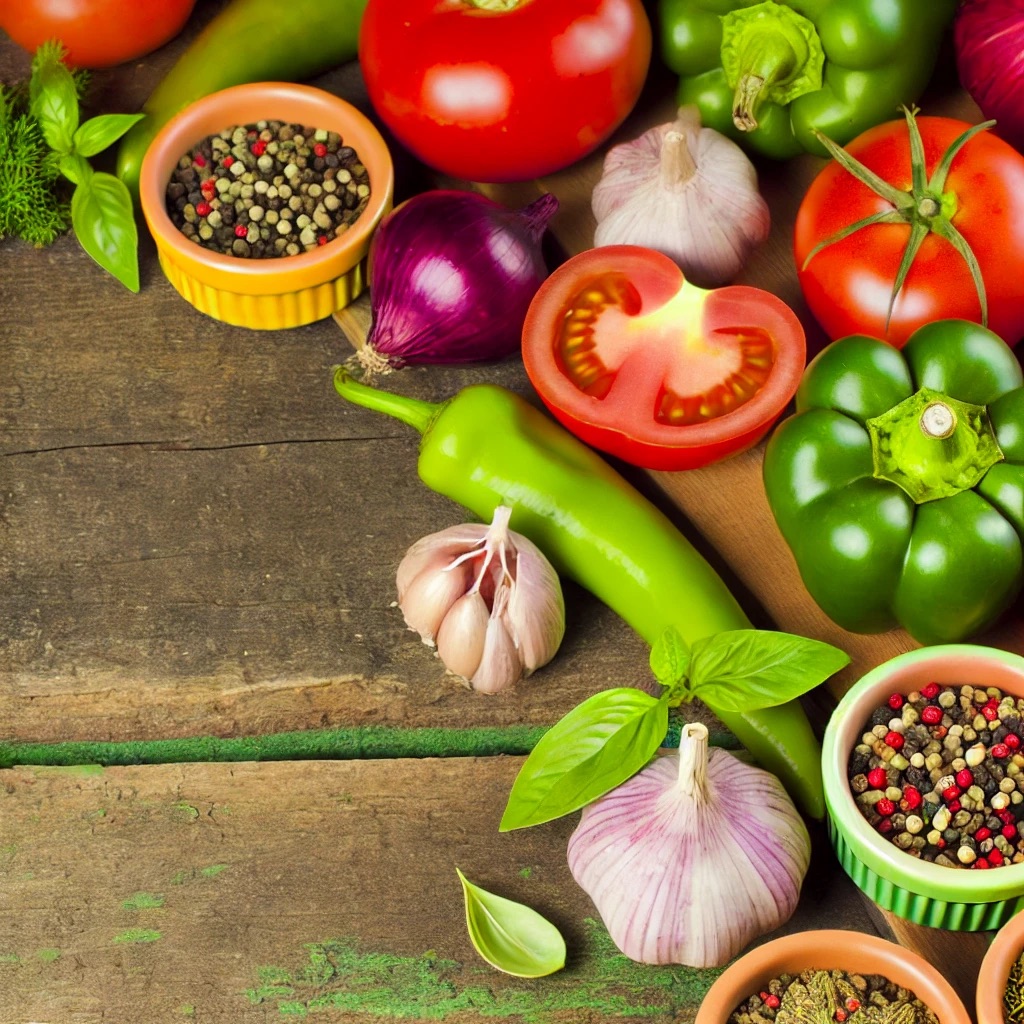
In the culinary world, flavor is paramount. It is the defining characteristic of a dish that can make or break a dining experience. While techniques and cooking methods certainly play a role in flavor development, the foundation of any great dish lies in its ingredients. This brings us to a crucial aspect of cooking that cannot be overlooked: the importance of fresh ingredients.
What Are Fresh Ingredients?
Fresh ingredients refer to products that are in their prime state, typically meaning they have been recently harvested or prepared. This includes fruits, vegetables, herbs, meats, and dairy products that have not been preserved or processed for long-term storage. The term “fresh” can vary slightly depending on the ingredient; for instance, fresh herbs are often used within days of being picked, while fresh fish may be consumed within hours of being caught.
The Impact of Freshness on Flavor
The first and most significant impact of using fresh ingredients is the enhancement of flavor. Fresh ingredients are generally more vibrant, aromatic, and flavorful than their older counterparts. Consider the difference between a ripe tomato picked at its peak and one that has been stored for weeks. The former will burst with natural sweetness and acidity, while the latter may lack flavor and texture.
Scientists attribute this difference to the chemical composition of fresh produce. As fruits and vegetables age, they undergo a process called respiration, where they lose moisture and nutrients. This degradation can lead to a decline in flavor compounds, diminishing the overall taste of dishes.
Aroma and Flavor
Flavor is not just about taste; aroma plays a critical role as well. A significant portion of what we perceive as flavor comes from our sense of smell. Fresh ingredients tend to have more aromatic compounds, which contribute to the overall sensory experience of eating. For example, fresh basil releases essential oils that create an aromatic experience that dried basil simply cannot replicate.
This is why dishes that use fresh herbs, spices, and other ingredients often have more complex and rich flavors than those relying on dried or preserved versions. Fresh ingredients create depth and dimension, elevating the overall dining experience.
Nutritional Value
Another significant aspect of fresh ingredients is their nutritional value. Fresh fruits and vegetables are loaded with vitamins, minerals, and antioxidants that diminish over time. When ingredients are picked at the peak of ripeness, they offer maximum nutritional benefits, which can enhance the overall healthfulness of your meals. This is not only important for personal health but can also influence the taste, as nutrient-rich foods tend to have better flavor profiles.
Seasonal and Local Sourcing
Using fresh ingredients often goes hand-in-hand with seasonal and local sourcing. Ingredients that are grown and harvested in-season are typically fresher and more flavorful than those that are out of season or shipped from far away. This is because they spend less time in transport and are more likely to be consumed shortly after harvest.
Additionally, sourcing ingredients locally can foster a sense of community and support local farmers. It encourages a sustainable approach to cooking, which is becoming increasingly important in the culinary world. When you choose local, seasonal ingredients, you not only enhance the flavor of your dishes but also contribute to a more sustainable food system.
Flavor Development Techniques
When working with fresh ingredients, several techniques can help maximize their flavor potential:
- Proper Storage: Store fresh ingredients correctly to maintain their freshness. For instance, herbs should be kept in water like a bouquet, while other vegetables may need to be stored in a cool, dark place.
- Minimal Processing: Limit the amount of processing you do to fresh ingredients. Simple preparations often allow the natural flavors to shine through.
- Balancing Flavors: Fresh ingredients can create a balance of flavors in a dish. For instance, the sweetness of fresh fruit can complement the acidity of citrus, creating a harmonious flavor profile.
- Highlighting Natural Flavors: Use cooking methods that enhance and highlight the natural flavors of fresh ingredients, such as roasting, grilling, or sautéing.
Conclusion
In conclusion, cannot be overstated. They are the cornerstone of every delicious dish, lending vibrancy, aroma, and nutritional value. By choosing fresh, seasonal, and local ingredients, you not only enhance the flavors of your culinary creations but also contribute to a more sustainable food system.
Whether you are a home cook or a professional chef, prioritizing fresh ingredients will elevate your cooking and provide an unmatched sensory experience for those who enjoy your food. So the next time you step into the kitchen, remember the power of fresh ingredients and let them lead the way in your culinary journey.
Related articles
 The Basics of Flavor
Understanding the Five Tastes
The Basics of Flavor
Understanding the Five Tastes
 Umami
The Science Behind the Fifth Taste
Umami
The Science Behind the Fifth Taste
 The Role of Acidity in Cooking
Balancing Flavors
The Role of Acidity in Cooking
Balancing Flavors
 The Maillard Reaction
The Science of Browning Food
The Maillard Reaction
The Science of Browning Food
 How Heat Affects Flavor
Cooking Techniques Explained
How Heat Affects Flavor
Cooking Techniques Explained
 Exploring Aromatics
The Science of Flavor Enhancers
Exploring Aromatics
The Science of Flavor Enhancers
 Fermentation
A Deep Dive into Flavor Development
Fermentation
A Deep Dive into Flavor Development
 The Chemistry of Spices
Unlocking Their Flavor Potential
The Chemistry of Spices
Unlocking Their Flavor Potential
 Sous Vide Cooking
Precision and Flavor Enhancement
Sous Vide Cooking
Precision and Flavor Enhancement
 The Art of Seasoning
When and How to Use Salt
The Art of Seasoning
When and How to Use Salt
 Flavor Pairing
The Science Behind Complementary Ingredients
Flavor Pairing
The Science Behind Complementary Ingredients
 The Impact of Cooking Techniques on Nutritional Value
 How to Build Flavor in Your Dishes
A Scientific Approach
How to Build Flavor in Your Dishes
A Scientific Approach
 Exploring the Science of Marinades and Brines
 The Role of Fat in Flavor
Why It Matters
The Role of Fat in Flavor
Why It Matters
 Baking Science
The Chemistry of Cakes and Breads
Baking Science
The Chemistry of Cakes and Breads
 Understanding Texture
The Unsung Hero of Flavor
Understanding Texture
The Unsung Hero of Flavor
 Cooking with Wine
The Science of Flavor Infusion
Cooking with Wine
The Science of Flavor Infusion
 The Importance of Fresh Ingredients in Flavor Development
 The Science of Cooking Techniques
From Searing to Stewing
The Science of Cooking Techniques
From Searing to Stewing
 How to Enhance Flavor with Herbs and Spices
 The Chemistry of Sweetness
Sugar's Role in Cooking
The Chemistry of Sweetness
Sugar's Role in Cooking
 Understanding Flavor Profiles
A Guide for Home Cooks
Understanding Flavor Profiles
A Guide for Home Cooks
 The Science of Cooking Temperatures
What You Need to Know
The Science of Cooking Temperatures
What You Need to Know
 Flavorful Fats
Exploring Oils, Butters, and More
Flavorful Fats
Exploring Oils, Butters, and More
 The Evolution of Cooking Techniques
A Scientific Perspective
The Evolution of Cooking Techniques
A Scientific Perspective
 The Art of Plating
How Presentation Affects Perception of Flavor
The Art of Plating
How Presentation Affects Perception of Flavor
 Understanding Flavor in Different Cuisines
A Scientific Exploration
Understanding Flavor in Different Cuisines
A Scientific Exploration
 The Role of Texture in Flavor Perception
Why It Matters
The Role of Texture in Flavor Perception
Why It Matters
 How Cooking Methods Influence Flavor Development
 The Science of Temperature
Why It Affects Flavor
The Science of Temperature
Why It Affects Flavor
 From Farm to Table
The Science of Fresh Ingredient Flavor
From Farm to Table
The Science of Fresh Ingredient Flavor
 The Chemistry of Flavor
How Ingredients Interact
The Chemistry of Flavor
How Ingredients Interact
 Cooking with Confidence
Understanding Flavor Fundamentals
Cooking with Confidence
Understanding Flavor Fundamentals
How to Create Depth of Flavor
Techniques for Success
The Science of Taste
How Our Senses Influence Flavor
Flavor Chemistry
Understanding the Building Blocks of Taste
The Psychology of Flavor
How Perception Influences Enjoyment
Exploring Global Flavors
A Scientific Journey Through Cooking
Cooking Techniques
Exploring the Science Behind Popular Methods
The Science of Cooking Oils
Choosing the Right One for Flavor
The Art and Science of Infusing Flavors into Oils and Vinegars
The Connection Between Flavor and Memory
A Culinary Perspective
Mastering Flavor Balance
The Key to Great Cooking
Understanding Flavor Enhancers
The Science of MSG and Beyond
The Role of Cooking Time in Flavor Development
What You Should Know
The Future of Flavor
Trends in Cooking Science and Technology
Categories