The art of cooking
AI CHEF Blog

The Chemistry of Sweetness: Sugar's Role in Cooking
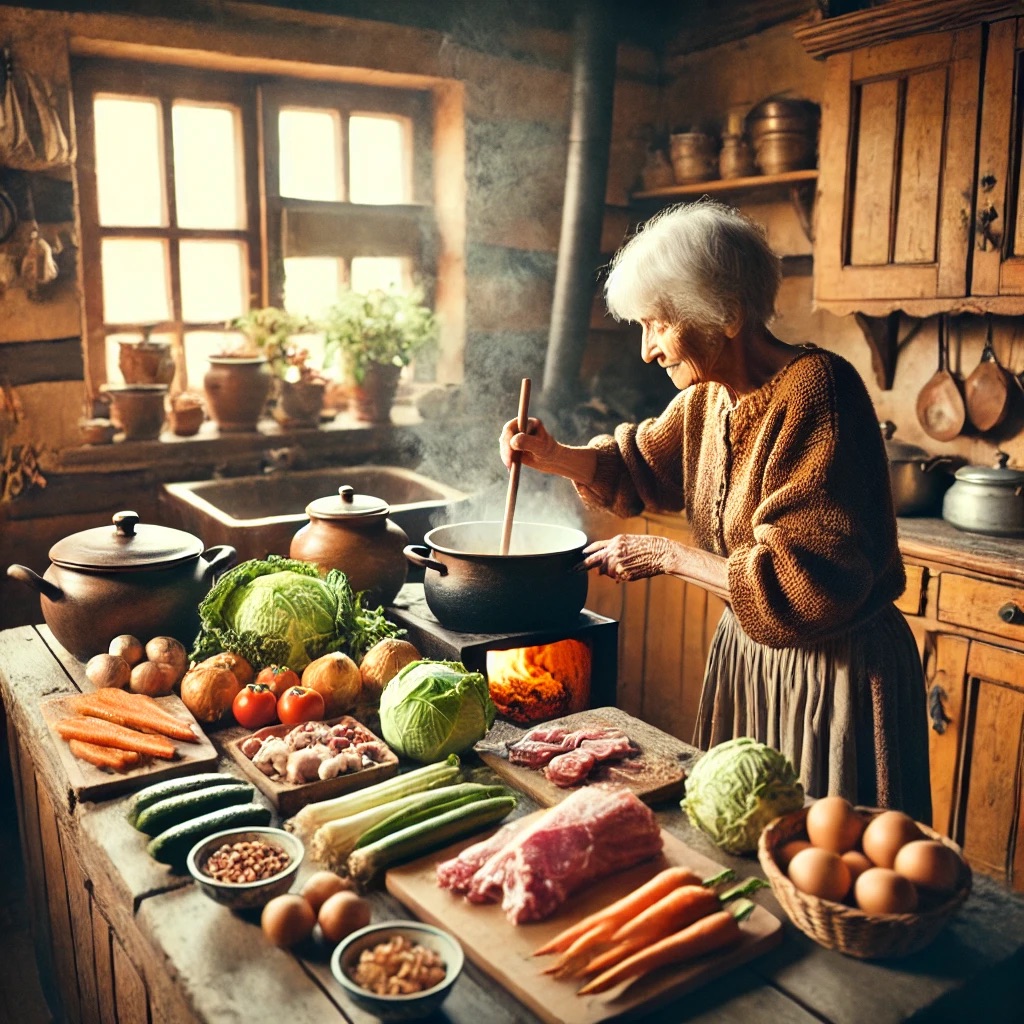
Sugar is not just a sweetener; it is a fundamental ingredient that plays several critical roles in cooking and baking. Understanding the chemistry behind sugar can elevate your culinary skills and inform your choices in the kitchen. In this blog post, we will explore the different types of sugar, their chemical properties, and how they interact with other ingredients to create the flavors and textures we love.
Types of Sugar and Their Chemical Properties
Sugar comes in many forms, but the most common types used in cooking include granulated sugar, brown sugar, powdered sugar, and liquid sugars like honey and corn syrup.
- Granulated Sugar: This is the most commonly used sugar, primarily composed of sucrose. Sucrose is a disaccharide made from glucose and fructose. Granulated sugar is crystalline and can dissolve easily in liquids, making it ideal for sweetening beverages and baking.
- Brown Sugar: Brown sugar contains molasses, which gives it a distinctive color and flavor. The presence of molasses affects the moisture content and caramelization process during cooking, resulting in a deeper flavor.
- Powdered Sugar: Also known as confectioners' sugar, powdered sugar is finely ground granulated sugar mixed with a small amount of cornstarch to prevent clumping. It dissolves quickly and is often used in frostings and glazes.
- Liquid Sugars: These include honey, agave syrup, and corn syrup. Each has a unique flavor profile and can influence the texture and moisture of baked goods.
The Role of Sugar in Cooking
Sugar serves multiple purposes in cooking, from sweetening to browning to preserving. Here are some of the key roles sugar plays:
1. Sweetening
The most obvious role of sugar is to provide sweetness. Sweetness enhances flavors and balances acidity and bitterness in dishes. For instance, a pinch of sugar can brighten a tomato sauce or enhance the flavor of fruits in desserts.
2. Browning and Caramelization
Sugar undergoes a chemical reaction known as caramelization when heated. This process occurs at temperatures above 320°F (160°C) and results in a range of flavors and colors that enhance the overall taste of dishes. Caramelization is essential in creating the golden crust on baked goods and the rich flavors in sauces.
3. Texture and Structure
Sugar contributes to the texture of baked goods. In cookies, sugar helps create a chewy texture, while in cakes, it contributes to a light and airy structure. The way sugar interacts with flour and fats during mixing and baking affects the final product's crumb and density.
4. Moisture Retention
Sugar is hygroscopic, meaning it attracts and retains moisture. This property is critical in baking, as it helps keep cakes and cookies moist and fresh for longer periods. It also plays a role in preserving fruits in jams and jellies.
5. Fermentation
In bread making, sugar serves as food for yeast, which ferments and produces carbon dioxide. This gas helps dough rise, resulting in a light and airy texture. The type of sugar used can impact the fermentation process and the final flavor of the bread.
Interacting with Other Ingredients
The chemistry of sugar does not act in isolation; it interacts with other ingredients in various ways:
1. Sugar and Fat
When sugar is creamed with butter, it creates air pockets that help leaven baked goods. This process is essential for cakes and cookies to achieve a desirable rise and texture. The balance of sugar and fat can affect the tenderness and richness of the final product.
2. Sugar and Acids
Sugar can balance acidity in recipes. For example, in a lemon meringue pie, the sugar in the filling counteracts the tartness of the lemons, creating a harmonious flavor profile. The combination of sugar and acid can also enhance the perception of sweetness.
3. Sugar and Proteins
In baking, sugar interacts with proteins in flour and eggs. This interaction contributes to the structure of baked goods. Sugar helps stabilize egg whites in meringues, allowing them to maintain their volume and form peaks.
Health Considerations
While sugar plays a vital role in cooking, it is essential to consider its health implications. Excessive sugar intake is linked to various health issues, including obesity, diabetes, and heart disease. It’s important to balance sugar consumption with healthier alternatives and moderation.
Conclusion
Understanding the chemistry of sugar and its role in cooking can significantly enhance your culinary endeavors. Sugar is a multi-faceted ingredient that not only sweetens but also contributes to texture, moisture, and flavor development. By mastering the art of using sugar in your dishes, you can create delicious and well-balanced meals and desserts. Remember to experiment with different types of sugar and be mindful of health considerations as you explore the sweet side of cooking.
Related articles
 The Basics of Flavor
Understanding the Five Tastes
 Umami
The Science Behind the Fifth Taste
 The Role of Acidity in Cooking
Balancing Flavors
 The Maillard Reaction
The Science of Browning Food
 How Heat Affects Flavor
Cooking Techniques Explained
 Exploring Aromatics
The Science of Flavor Enhancers
 Fermentation
A Deep Dive into Flavor Development
 The Chemistry of Spices
Unlocking Their Flavor Potential
 Sous Vide Cooking
Precision and Flavor Enhancement
 The Art of Seasoning
When and How to Use Salt
 Flavor Pairing
The Science Behind Complementary Ingredients
 The Impact of Cooking Techniques on Nutritional Value
 How to Build Flavor in Your Dishes
A Scientific Approach
 Exploring the Science of Marinades and Brines
 The Role of Fat in Flavor
Why It Matters
 Baking Science
The Chemistry of Cakes and Breads
 Understanding Texture
The Unsung Hero of Flavor
 Cooking with Wine
The Science of Flavor Infusion
 The Importance of Fresh Ingredients in Flavor Development
 The Science of Cooking Techniques
From Searing to Stewing
 How to Enhance Flavor with Herbs and Spices
 The Chemistry of Sweetness
Sugar's Role in Cooking
 Understanding Flavor Profiles
A Guide for Home Cooks
 The Science of Cooking Temperatures
What You Need to Know
 Flavorful Fats
Exploring Oils, Butters, and More
 The Evolution of Cooking Techniques
A Scientific Perspective
 The Art of Plating
How Presentation Affects Perception of Flavor
 Understanding Flavor in Different Cuisines
A Scientific Exploration
 The Role of Texture in Flavor Perception
Why It Matters
 How Cooking Methods Influence Flavor Development
 The Science of Temperature
Why It Affects Flavor
 From Farm to Table
The Science of Fresh Ingredient Flavor
 The Chemistry of Flavor
How Ingredients Interact
 Cooking with Confidence
Understanding Flavor Fundamentals
How to Create Depth of Flavor
Techniques for Success
The Science of Taste
How Our Senses Influence Flavor
Flavor Chemistry
Understanding the Building Blocks of Taste
The Psychology of Flavor
How Perception Influences Enjoyment
Exploring Global Flavors
A Scientific Journey Through Cooking
Cooking Techniques
Exploring the Science Behind Popular Methods
The Science of Cooking Oils
Choosing the Right One for Flavor
The Art and Science of Infusing Flavors into Oils and Vinegars
The Connection Between Flavor and Memory
A Culinary Perspective
Mastering Flavor Balance
The Key to Great Cooking
Understanding Flavor Enhancers
The Science of MSG and Beyond
The Role of Cooking Time in Flavor Development
What You Should Know
The Future of Flavor
Trends in Cooking Science and Technology
Categories


