The art of cooking
AI CHEF Blog

Understanding Flavor in Different Cuisines: A Scientific Exploration
Flavor is a complex concept that transcends simple taste. It encompasses a vast array of sensations, aromas, and even cultural influences that shape how we perceive food. In this blog post, we will explore the scientific underpinnings of flavor in various cuisines, examining how different cultures utilize unique ingredients, cooking techniques, and sensory experiences to create their distinctive flavors.
The Basics of Flavor
Flavor is primarily a combination of five basic tastes: sweet, sour, salty, bitter, and umami. Each of these tastes is detected by specific taste receptors on the tongue. However, flavor is not limited to taste alone; it also includes the aroma of food, which is sensed by our olfactory system. This interplay between taste and smell is why food can evoke strong memories and emotions.
When we eat, our taste buds and olfactory receptors work together to create the overall experience of flavor. A dish’s flavor profile can be influenced by various factors, including its ingredients, the way it is prepared, and even the environment in which it is consumed. Let's dive deeper into how different cuisines utilize these factors to create their unique flavor profiles.
The Role of Ingredients
Herbs and Spices
One of the most significant contributors to flavor is the use of herbs and spices. Different cultures have developed a repertoire of herbs and spices that not only enhance taste but also provide various health benefits. For instance, the use of cilantro in Mexican cuisine adds a fresh, citrusy note, while the use of cumin gives depth and warmth to dishes. In Indian cuisine, spices like turmeric, cardamom, and coriander are staples, each adding intricate layers of flavor.
Fermentation
Fermentation is another technique that enhances flavor and is prevalent in many cuisines. Foods like kimchi in Korean cuisine, sauerkraut in German cuisine, and miso in Japanese cuisine are all products of fermentation. This process not only adds a unique taste but also introduces beneficial probiotics that can aid digestion. The sourness and complexity that fermentation brings can transform simple ingredients into culinary masterpieces.
Umami
Umami, often referred to as the fifth taste, is particularly important in Asian cuisines. Ingredients such as soy sauce, fish sauce, and miso are rich in umami, providing a savory depth that enhances other flavors. The science behind umami involves the presence of glutamate, an amino acid that interacts with specific receptors on our taste buds. Understanding umami has led chefs and home cooks alike to experiment with new combinations and techniques to bring out this savory flavor.
Cooking Techniques
Searing and Roasting
Cooking techniques also play a crucial role in developing flavor. Techniques such as searing and roasting create the Maillard reaction, a chemical reaction that occurs when proteins and sugars in food are exposed to heat. This reaction is responsible for the browning of meat and the development of complex flavors. For example, the rich, caramelized crust on a steak or the golden-brown surface of roasted vegetables adds layers of flavor that are both satisfying and delicious.
Braising and Stewing
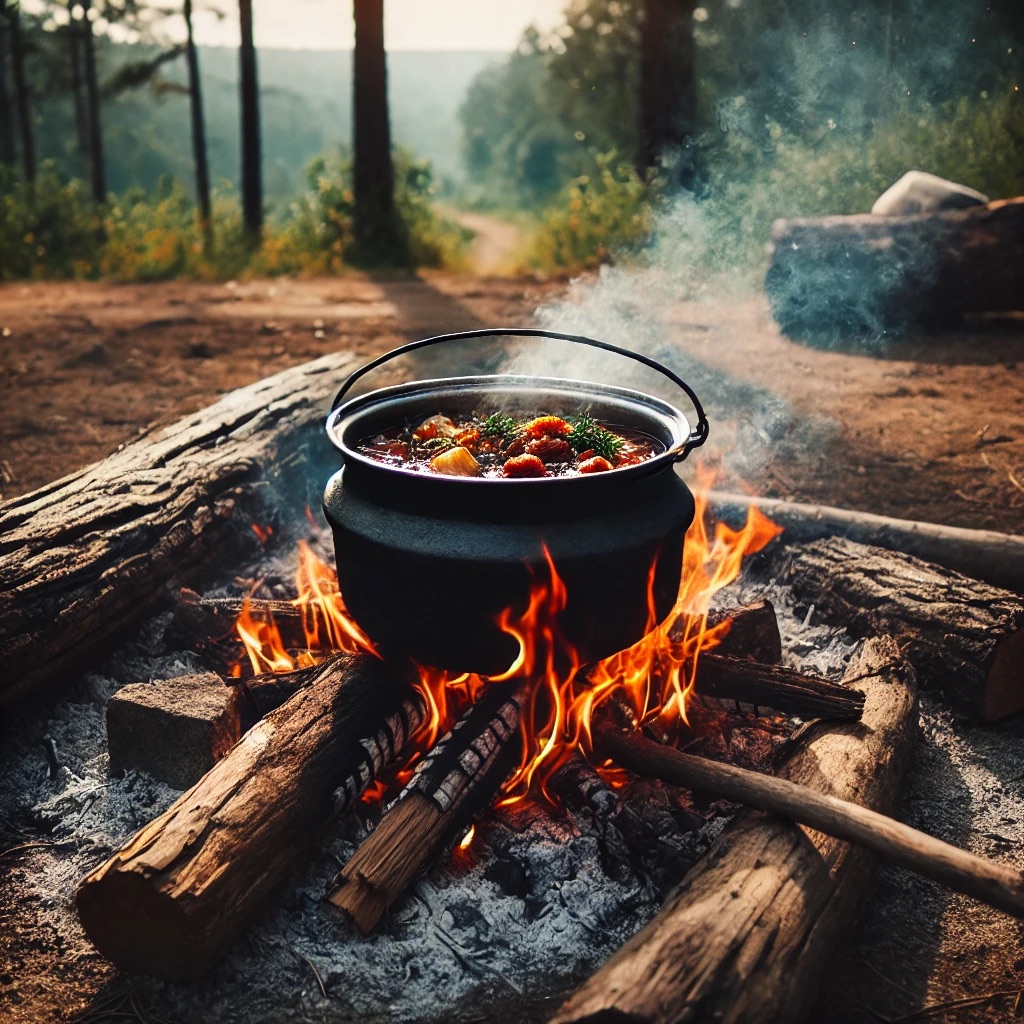
Braising and stewing are methods that allow flavors to meld and develop over time. Slow-cooking tough cuts of meat with aromatic vegetables and herbs results in tender, flavorful dishes that are often considered comfort food. In French cuisine, coq au vin is a classic example where chicken is braised in wine, allowing the flavors to deepen and intensify. Similarly, in Filipino cuisine, adobo involves marinating meat in vinegar, soy sauce, and spices before slow-cooking, creating a dish that is both savory and tangy.
Cultural Influences on Flavor
Regional Availability
The availability of ingredients is a significant factor in shaping the flavors of a cuisine. For example, Mediterranean cuisine is characterized by the use of olive oil, fresh vegetables, and seafood, reflecting the region's geography and climate. In contrast, Northern European cuisines often rely on hearty grains, root vegetables, and preserved foods due to the harsher climate. Understanding the geographical context of a cuisine can provide insight into its flavor profile.
Historical Influences
Historical events, such as trade routes and colonization, have also influenced the flavors found in different cuisines. The spice trade, for instance, introduced ingredients like cinnamon, nutmeg, and black pepper to Europe, dramatically altering local cooking practices. In the Caribbean, the fusion of African, Indigenous, and European culinary traditions has resulted in vibrant and diverse flavors, as seen in dishes like jerk chicken and callaloo.
The Science of Flavor Pairing
As our understanding of flavor deepens, chefs and food scientists are exploring the concept of flavor pairing—combining ingredients that share similar flavor compounds to create harmonious dishes. This scientific approach to cooking allows for innovative combinations that might not be traditionally associated with one another. For instance, the pairing of chocolate and chili is a classic example of how contrasting flavors can complement each other, thanks to their shared aromatic compounds.
Conclusion
The exploration of flavor across different cuisines reveals a rich tapestry of ingredients, cooking techniques, and cultural influences that shape our culinary experiences. Understanding the science behind flavor not only enhances our appreciation of food but also empowers us to experiment in our own kitchens. As we continue to explore the diverse world of flavors, we can celebrate the creativity and innovation that different cultures bring to the table. Whether you're savoring a bowl of pho, indulging in a plate of pasta, or enjoying a spicy curry, remember that each bite is a journey through history, science, and artistry.
References
- "The Flavor Bible" by Karen Page and Andrew Dornenburg
- "Salt, Fat, Acid, Heat" by Samin Nosrat
- Various scholarly articles on culinary science and flavor chemistry.
Related articles
 The Basics of Flavor
Understanding the Five Tastes
The Basics of Flavor
Understanding the Five Tastes
 Umami
The Science Behind the Fifth Taste
Umami
The Science Behind the Fifth Taste
 The Role of Acidity in Cooking
Balancing Flavors
The Role of Acidity in Cooking
Balancing Flavors
 The Maillard Reaction
The Science of Browning Food
The Maillard Reaction
The Science of Browning Food
 How Heat Affects Flavor
Cooking Techniques Explained
How Heat Affects Flavor
Cooking Techniques Explained
 Exploring Aromatics
The Science of Flavor Enhancers
Exploring Aromatics
The Science of Flavor Enhancers
 Fermentation
A Deep Dive into Flavor Development
Fermentation
A Deep Dive into Flavor Development
 The Chemistry of Spices
Unlocking Their Flavor Potential
The Chemistry of Spices
Unlocking Their Flavor Potential
 Sous Vide Cooking
Precision and Flavor Enhancement
Sous Vide Cooking
Precision and Flavor Enhancement
 The Art of Seasoning
When and How to Use Salt
The Art of Seasoning
When and How to Use Salt
 Flavor Pairing
The Science Behind Complementary Ingredients
Flavor Pairing
The Science Behind Complementary Ingredients
 The Impact of Cooking Techniques on Nutritional Value
 How to Build Flavor in Your Dishes
A Scientific Approach
How to Build Flavor in Your Dishes
A Scientific Approach
 Exploring the Science of Marinades and Brines
 The Role of Fat in Flavor
Why It Matters
The Role of Fat in Flavor
Why It Matters
 Baking Science
The Chemistry of Cakes and Breads
Baking Science
The Chemistry of Cakes and Breads
 Understanding Texture
The Unsung Hero of Flavor
Understanding Texture
The Unsung Hero of Flavor
 Cooking with Wine
The Science of Flavor Infusion
Cooking with Wine
The Science of Flavor Infusion
 The Importance of Fresh Ingredients in Flavor Development
 The Science of Cooking Techniques
From Searing to Stewing
The Science of Cooking Techniques
From Searing to Stewing
 How to Enhance Flavor with Herbs and Spices
 The Chemistry of Sweetness
Sugar's Role in Cooking
The Chemistry of Sweetness
Sugar's Role in Cooking
 Understanding Flavor Profiles
A Guide for Home Cooks
Understanding Flavor Profiles
A Guide for Home Cooks
 The Science of Cooking Temperatures
What You Need to Know
The Science of Cooking Temperatures
What You Need to Know
 Flavorful Fats
Exploring Oils, Butters, and More
Flavorful Fats
Exploring Oils, Butters, and More
 The Evolution of Cooking Techniques
A Scientific Perspective
The Evolution of Cooking Techniques
A Scientific Perspective
 The Art of Plating
How Presentation Affects Perception of Flavor
The Art of Plating
How Presentation Affects Perception of Flavor
 Understanding Flavor in Different Cuisines
A Scientific Exploration
Understanding Flavor in Different Cuisines
A Scientific Exploration
 The Role of Texture in Flavor Perception
Why It Matters
The Role of Texture in Flavor Perception
Why It Matters
 How Cooking Methods Influence Flavor Development
 The Science of Temperature
Why It Affects Flavor
The Science of Temperature
Why It Affects Flavor
 From Farm to Table
The Science of Fresh Ingredient Flavor
From Farm to Table
The Science of Fresh Ingredient Flavor
 The Chemistry of Flavor
How Ingredients Interact
The Chemistry of Flavor
How Ingredients Interact
 Cooking with Confidence
Understanding Flavor Fundamentals
Cooking with Confidence
Understanding Flavor Fundamentals
How to Create Depth of Flavor
Techniques for Success
The Science of Taste
How Our Senses Influence Flavor
Flavor Chemistry
Understanding the Building Blocks of Taste
The Psychology of Flavor
How Perception Influences Enjoyment
Exploring Global Flavors
A Scientific Journey Through Cooking
Cooking Techniques
Exploring the Science Behind Popular Methods
The Science of Cooking Oils
Choosing the Right One for Flavor
The Art and Science of Infusing Flavors into Oils and Vinegars
The Connection Between Flavor and Memory
A Culinary Perspective
Mastering Flavor Balance
The Key to Great Cooking
Understanding Flavor Enhancers
The Science of MSG and Beyond
The Role of Cooking Time in Flavor Development
What You Should Know
The Future of Flavor
Trends in Cooking Science and Technology
Categories