The art of cooking
AI CHEF Blog

How Cooking Methods Influence Flavor Development
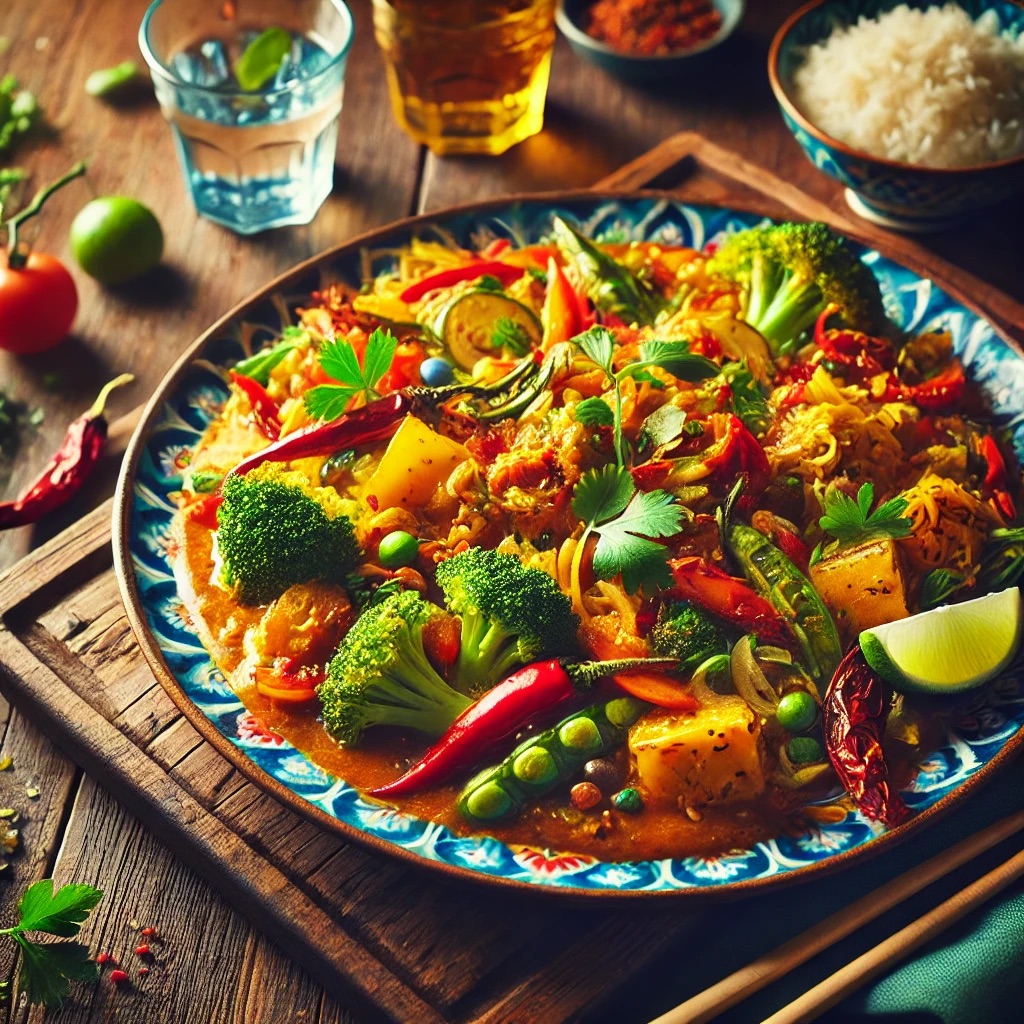
When it comes to cooking, flavor is often the most sought-after aspect of any dish. The complex interplay of ingredients, seasonings, and cooking methods can create an explosion of taste that can elevate a simple meal into a culinary masterpiece. Understanding how different cooking methods influence flavor development is crucial for anyone looking to enhance their cooking skills. This blog post will explore various cooking techniques, their impact on flavor, and how you can use them to create delicious dishes.
The Science of Flavor Development
Flavor is a complex sensory experience that includes taste, aroma, and mouthfeel. The primary taste sensations—sweet, sour, salty, bitter, and umami—are just the tip of the iceberg. Aroma plays a significant role in how we perceive flavor, and it can be influenced dramatically by the cooking methods we employ.
When food is cooked, several chemical reactions occur that enhance or modify its flavor. Some of these reactions include:
-
Maillard Reaction: This is a chemical reaction between amino acids and reducing sugars that gives browned food its distinctive flavor. It occurs at higher temperatures (around 140 to 165 °C or 285 to 330 °F) and is responsible for the crust on bread, the sear on meats, and the caramelization of sugars in roasted vegetables.
-
Caramelization: This occurs when sugars are heated to the point where they melt and turn brown. It creates a sweet, nutty flavor and is essential in dishes like caramel sauce or roasted root vegetables.
-
Deglazing: This technique involves adding liquid to a pan after searing meat to dissolve the browned bits stuck to the bottom. These bits, known as fond, are packed with flavor and can form the foundation of a rich sauce.
-
Acid-Base Reactions: The addition of acidic ingredients like lemon juice or vinegar can alter the flavor profile of a dish. Acid can brighten flavors, enhance freshness, and balance richness.
Cooking Methods and Their Flavor Profiles
1. Boiling and Steaming
Boiling and steaming are methods that involve cooking food in water or steam. While these techniques preserve the texture and nutritional content of food, they often lead to a loss of flavor. For instance, boiling vegetables can leach vitamins and minerals into the water, resulting in a bland taste.
To enhance flavor when boiling or steaming:
- Consider adding herbs, spices, or aromatics (like garlic or onion) to the water.
- Use the cooking liquid as a base for sauces or soups to retain some of the flavors that would otherwise be lost.
2. Sautéing and Stir-Frying
Sautéing and stir-frying involve cooking food quickly over high heat with a small amount of fat. These methods promote the Maillard reaction, resulting in browned, flavorful food. Sautéing is typically done in a skillet, while stir-frying is often done in a wok.
To maximize flavor:
- Heat the pan before adding oil to achieve a good sear.
- Avoid overcrowding the pan, which can lower the temperature and lead to steaming instead of sautéing.
- Incorporate aromatics like garlic, ginger, or onions at the beginning to build layers of flavor.
3. Roasting and Baking
Roasting and baking involve cooking food in an oven, which allows for even heat distribution and the development of complex flavors. Roasting typically applies to meat and vegetables, while baking is more associated with bread and pastries.
The dry heat of the oven promotes caramelization and the Maillard reaction, enhancing flavor. To elevate your roasted dishes:
- Use a variety of vegetables to achieve a medley of flavors.
- Season generously with herbs and spices before roasting.
- Baste meats with their juices or marinade to keep them moist and flavorful.
4. Grilling and Broiling
Grilling and broiling are methods that use high heat from below (grilling) or above (broiling) to cook food quickly. These techniques impart a unique smoky flavor and attractive grill marks, thanks to the Maillard reaction.
To enhance grilled or broiled food:
- Marinate proteins to add moisture and flavor.
- Use wood chips or charcoal to introduce additional smoky notes.
- Avoid flipping food too frequently, allowing it to develop a good sear.
5. Slow Cooking and Braising
Slow cooking and braising involve cooking food at low temperatures for extended periods. These methods are excellent for developing deep, rich flavors, particularly in tougher cuts of meat.
In slow cooking:
- Use a variety of spices and herbs in the cooking liquid to infuse flavor over time.
- Consider browning meat before adding it to the slow cooker to enhance flavor through the Maillard reaction.
6. Frying
Frying, whether deep or shallow, creates a crispy exterior while keeping the inside moist and tender. The high heat involved in frying promotes caramelization and the Maillard reaction, resulting in complex flavors.
To fry effectively:
- Use oils with a high smoke point to prevent burning.
- Season food before frying for added flavor.
- Consider a double-fry method for extra crispiness, especially with potatoes.
Combining Cooking Methods
One of the best ways to develop rich flavors in your dishes is to combine cooking methods. For example, you can sear meat on the stovetop to develop flavor and then finish cooking it in the oven. Alternatively, you can sauté vegetables to enhance their sweetness and then add them to a simmering broth to infuse their flavor into the liquid.
Conclusion
Understanding is essential for any aspiring chef or home cook. Each technique brings its own unique characteristics to the table, and by mastering them, you can create dishes that are not only delicious but also complex in flavor.
Experimentation is key. Don’t be afraid to try different cooking methods or combinations to discover what works best for your taste preferences. Whether you’re boiling, sautéing, roasting, or grilling, remember that each method has the potential to elevate your dishes to new heights. Happy cooking!
Related articles
 The Basics of Flavor
Understanding the Five Tastes
The Basics of Flavor
Understanding the Five Tastes
 Umami
The Science Behind the Fifth Taste
Umami
The Science Behind the Fifth Taste
 The Role of Acidity in Cooking
Balancing Flavors
The Role of Acidity in Cooking
Balancing Flavors
 The Maillard Reaction
The Science of Browning Food
The Maillard Reaction
The Science of Browning Food
 How Heat Affects Flavor
Cooking Techniques Explained
How Heat Affects Flavor
Cooking Techniques Explained
 Exploring Aromatics
The Science of Flavor Enhancers
Exploring Aromatics
The Science of Flavor Enhancers
 Fermentation
A Deep Dive into Flavor Development
Fermentation
A Deep Dive into Flavor Development
 The Chemistry of Spices
Unlocking Their Flavor Potential
The Chemistry of Spices
Unlocking Their Flavor Potential
 Sous Vide Cooking
Precision and Flavor Enhancement
Sous Vide Cooking
Precision and Flavor Enhancement
 The Art of Seasoning
When and How to Use Salt
The Art of Seasoning
When and How to Use Salt
 Flavor Pairing
The Science Behind Complementary Ingredients
Flavor Pairing
The Science Behind Complementary Ingredients
 The Impact of Cooking Techniques on Nutritional Value
 How to Build Flavor in Your Dishes
A Scientific Approach
How to Build Flavor in Your Dishes
A Scientific Approach
 Exploring the Science of Marinades and Brines
 The Role of Fat in Flavor
Why It Matters
The Role of Fat in Flavor
Why It Matters
 Baking Science
The Chemistry of Cakes and Breads
Baking Science
The Chemistry of Cakes and Breads
 Understanding Texture
The Unsung Hero of Flavor
Understanding Texture
The Unsung Hero of Flavor
 Cooking with Wine
The Science of Flavor Infusion
Cooking with Wine
The Science of Flavor Infusion
 The Importance of Fresh Ingredients in Flavor Development
 The Science of Cooking Techniques
From Searing to Stewing
The Science of Cooking Techniques
From Searing to Stewing
 How to Enhance Flavor with Herbs and Spices
 The Chemistry of Sweetness
Sugar's Role in Cooking
The Chemistry of Sweetness
Sugar's Role in Cooking
 Understanding Flavor Profiles
A Guide for Home Cooks
Understanding Flavor Profiles
A Guide for Home Cooks
 The Science of Cooking Temperatures
What You Need to Know
The Science of Cooking Temperatures
What You Need to Know
 Flavorful Fats
Exploring Oils, Butters, and More
Flavorful Fats
Exploring Oils, Butters, and More
 The Evolution of Cooking Techniques
A Scientific Perspective
The Evolution of Cooking Techniques
A Scientific Perspective
 The Art of Plating
How Presentation Affects Perception of Flavor
The Art of Plating
How Presentation Affects Perception of Flavor
 Understanding Flavor in Different Cuisines
A Scientific Exploration
Understanding Flavor in Different Cuisines
A Scientific Exploration
 The Role of Texture in Flavor Perception
Why It Matters
The Role of Texture in Flavor Perception
Why It Matters
 How Cooking Methods Influence Flavor Development
 The Science of Temperature
Why It Affects Flavor
The Science of Temperature
Why It Affects Flavor
 From Farm to Table
The Science of Fresh Ingredient Flavor
From Farm to Table
The Science of Fresh Ingredient Flavor
 The Chemistry of Flavor
How Ingredients Interact
The Chemistry of Flavor
How Ingredients Interact
 Cooking with Confidence
Understanding Flavor Fundamentals
Cooking with Confidence
Understanding Flavor Fundamentals
How to Create Depth of Flavor
Techniques for Success
The Science of Taste
How Our Senses Influence Flavor
Flavor Chemistry
Understanding the Building Blocks of Taste
The Psychology of Flavor
How Perception Influences Enjoyment
Exploring Global Flavors
A Scientific Journey Through Cooking
Cooking Techniques
Exploring the Science Behind Popular Methods
The Science of Cooking Oils
Choosing the Right One for Flavor
The Art and Science of Infusing Flavors into Oils and Vinegars
The Connection Between Flavor and Memory
A Culinary Perspective
Mastering Flavor Balance
The Key to Great Cooking
Understanding Flavor Enhancers
The Science of MSG and Beyond
The Role of Cooking Time in Flavor Development
What You Should Know
The Future of Flavor
Trends in Cooking Science and Technology
Categories