The art of cooking
AI CHEF Blog

From Farm to Table: The Science of Fresh Ingredient Flavor
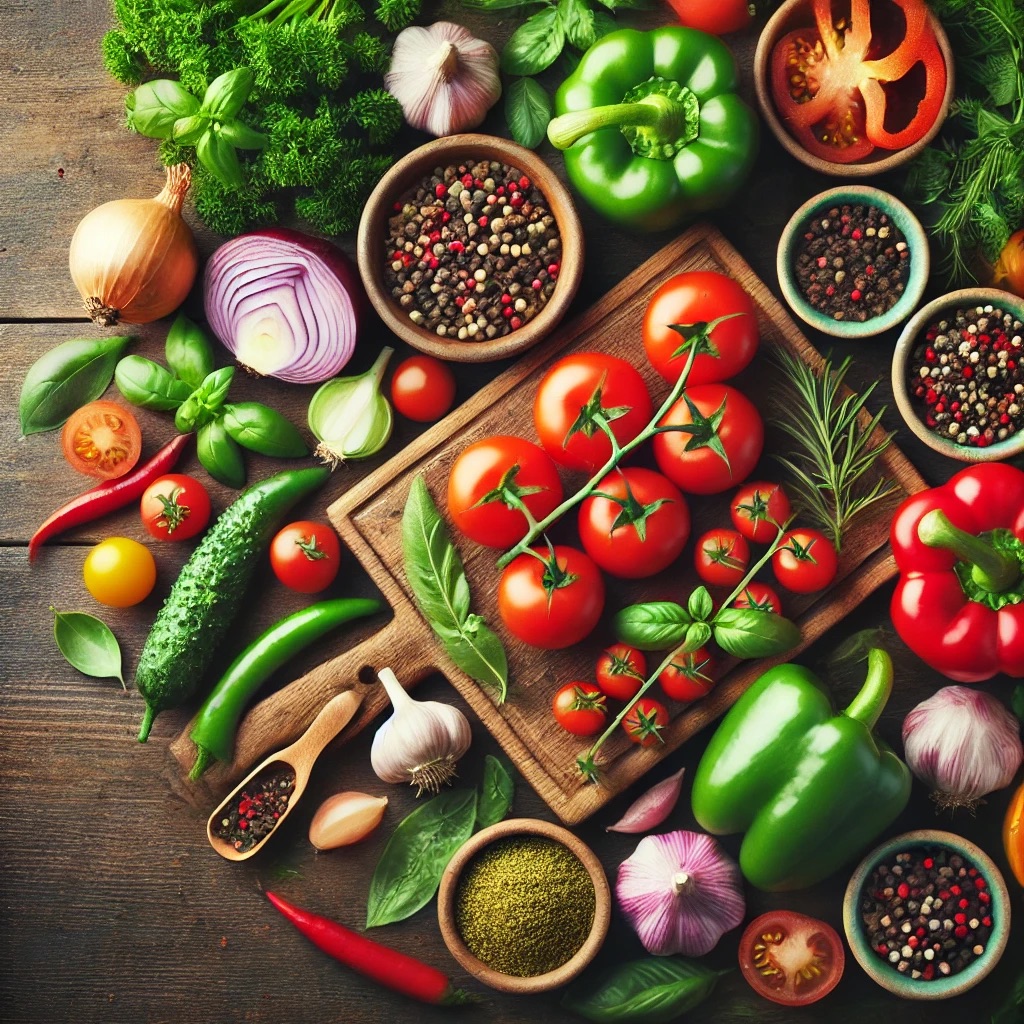
In recent years, the farm-to-table movement has gained significant traction, emphasizing the importance of sourcing fresh, local ingredients to create delicious meals. But what exactly makes these fresh ingredients taste so good? In this blog post, we will explore the science behind fresh ingredient flavor, from the time they are harvested until they reach your plate.
The Journey of Fresh Ingredients
The journey of fresh ingredients begins on the farm. When fruits, vegetables, and herbs are harvested at their peak ripeness, they possess the highest concentration of flavor compounds. These compounds, such as sugars, acids, and volatile aroma compounds, are responsible for the taste and smell we associate with fresh produce.
1. The Importance of Soil Health
The flavor of fresh ingredients starts with the soil. Healthy soil is rich in nutrients and microorganisms that contribute to the overall health and flavor of the plants grown in it. When soil is depleted or lacking in essential nutrients, the plants may not develop their full flavor potential. For example, tomatoes grown in nutrient-rich soil tend to be sweeter and more flavorful than those grown in poor soil.
2. The Role of Climate
Climate also plays a crucial role in the flavor of fresh ingredients. Factors such as temperature, sunlight, and rainfall can all influence the growth and development of plants. For instance, fruits that experience a wide temperature range during the day and night often develop more complex flavors. Similarly, crops that receive ample sunlight tend to produce more sugars, resulting in a sweeter taste.
The Science of Flavor Compounds
Flavor is a complex interplay of various compounds that work together to create the unique taste of fresh ingredients. Understanding these compounds can help us appreciate the nuances of flavor.
1. Sugars
Sugars are one of the primary components of flavor. They provide sweetness and balance out acidity and bitterness. As fruits ripen, starches are converted into sugars, making them taste sweeter. For example, a ripe peach is much sweeter than an unripe one due to the increase in sugar content during the ripening process.
2. Acids
Acids contribute to the tartness and brightness of flavors. They can enhance the overall taste experience by providing balance. For instance, a sprinkle of lemon juice can elevate the flavors of a dish by cutting through richness and adding brightness. Different fruits and vegetables contain varying levels of natural acids, which significantly impact their flavor profiles.
3. Volatile Aroma Compounds
Aromas are an essential part of flavor. Many of the compounds that contribute to the aroma of fresh ingredients are volatile, meaning they evaporate easily and are released into the air. These compounds are what we smell when we cut into an onion or bite into a ripe strawberry. The combination of these volatile compounds creates a unique aroma that enhances the overall flavor experience.
Post-Harvest Handling
Once fresh ingredients are harvested, how they are handled can also affect their flavor. Proper post-harvest handling techniques are crucial to maintaining the quality and flavor of produce.
1. Temperature Control
Temperature plays a significant role in the preservation of flavor. After harvesting, fruits and vegetables should be cooled quickly to slow down the ripening process and minimize the loss of flavor compounds. For example, leafy greens should be refrigerated soon after harvest to retain their crisp texture and vibrant flavor.
2. Ethylene Gas
Some fruits, like bananas and avocados, produce ethylene gas as they ripen. Ethylene is a natural plant hormone that promotes ripening, but it can also lead to spoilage if not managed properly. Storing ethylene-producing fruits away from ethylene-sensitive produce can help extend shelf life and maintain flavor.
The Impact of Time
Time is another critical factor in the flavor of fresh ingredients. The longer produce sits after harvest, the more flavor compounds can degrade, leading to a loss of flavor.
1. Freshness Matters
Fresh ingredients are best consumed shortly after harvest. Studies have shown that fruits and vegetables can lose a significant amount of their flavor compounds within just a few days of being harvested. This is why farmers' markets and local farms often produce more flavorful ingredients than those found in grocery stores.
2. Storage Techniques
Proper storage techniques can help prolong the freshness and flavor of ingredients. For example, storing herbs in water like a bouquet can keep them vibrant and flavorful longer than just leaving them in the refrigerator. Understanding the best storage practices for each type of produce can make a significant difference in flavor retention.
Cooking Techniques and Flavor Enhancement
The way we prepare and cook fresh ingredients can also influence their flavor. Different cooking techniques can either enhance or diminish the natural flavors of ingredients.
1. Roasting
Roasting vegetables caramelizes their natural sugars, resulting in a sweeter and more complex flavor. For example, roasted carrots have a deep, rich flavor that is vastly different from raw carrots.
2. Blanching
Blanching vegetables can help preserve their bright colors and fresh flavors. This quick cooking technique involves briefly boiling vegetables and then plunging them into ice water. This process not only enhances the flavor but also retains the nutrients and vibrant appearance of the vegetables.
Conclusion
The journey from farm to table is a complex process that profoundly impacts the flavor of fresh ingredients. From soil health to climate, post-harvest handling, and cooking techniques, each step plays a crucial role in determining the final taste of the food we enjoy. By understanding the science behind fresh ingredient flavor, we can make informed choices about the ingredients we use, ultimately enhancing our culinary experiences. So, the next time you sit down to enjoy a meal made with fresh, local ingredients, take a moment to appreciate the science and effort that went into creating those flavors.
Related articles
 The Basics of Flavor
Understanding the Five Tastes
The Basics of Flavor
Understanding the Five Tastes
 Umami
The Science Behind the Fifth Taste
Umami
The Science Behind the Fifth Taste
 The Role of Acidity in Cooking
Balancing Flavors
The Role of Acidity in Cooking
Balancing Flavors
 The Maillard Reaction
The Science of Browning Food
The Maillard Reaction
The Science of Browning Food
 How Heat Affects Flavor
Cooking Techniques Explained
How Heat Affects Flavor
Cooking Techniques Explained
 Exploring Aromatics
The Science of Flavor Enhancers
Exploring Aromatics
The Science of Flavor Enhancers
 Fermentation
A Deep Dive into Flavor Development
Fermentation
A Deep Dive into Flavor Development
 The Chemistry of Spices
Unlocking Their Flavor Potential
The Chemistry of Spices
Unlocking Their Flavor Potential
 Sous Vide Cooking
Precision and Flavor Enhancement
Sous Vide Cooking
Precision and Flavor Enhancement
 The Art of Seasoning
When and How to Use Salt
The Art of Seasoning
When and How to Use Salt
 Flavor Pairing
The Science Behind Complementary Ingredients
Flavor Pairing
The Science Behind Complementary Ingredients
 The Impact of Cooking Techniques on Nutritional Value
 How to Build Flavor in Your Dishes
A Scientific Approach
How to Build Flavor in Your Dishes
A Scientific Approach
 Exploring the Science of Marinades and Brines
 The Role of Fat in Flavor
Why It Matters
The Role of Fat in Flavor
Why It Matters
 Baking Science
The Chemistry of Cakes and Breads
Baking Science
The Chemistry of Cakes and Breads
 Understanding Texture
The Unsung Hero of Flavor
Understanding Texture
The Unsung Hero of Flavor
 Cooking with Wine
The Science of Flavor Infusion
Cooking with Wine
The Science of Flavor Infusion
 The Importance of Fresh Ingredients in Flavor Development
 The Science of Cooking Techniques
From Searing to Stewing
The Science of Cooking Techniques
From Searing to Stewing
 How to Enhance Flavor with Herbs and Spices
 The Chemistry of Sweetness
Sugar's Role in Cooking
The Chemistry of Sweetness
Sugar's Role in Cooking
 Understanding Flavor Profiles
A Guide for Home Cooks
Understanding Flavor Profiles
A Guide for Home Cooks
 The Science of Cooking Temperatures
What You Need to Know
The Science of Cooking Temperatures
What You Need to Know
 Flavorful Fats
Exploring Oils, Butters, and More
Flavorful Fats
Exploring Oils, Butters, and More
 The Evolution of Cooking Techniques
A Scientific Perspective
The Evolution of Cooking Techniques
A Scientific Perspective
 The Art of Plating
How Presentation Affects Perception of Flavor
The Art of Plating
How Presentation Affects Perception of Flavor
 Understanding Flavor in Different Cuisines
A Scientific Exploration
Understanding Flavor in Different Cuisines
A Scientific Exploration
 The Role of Texture in Flavor Perception
Why It Matters
The Role of Texture in Flavor Perception
Why It Matters
 How Cooking Methods Influence Flavor Development
 The Science of Temperature
Why It Affects Flavor
The Science of Temperature
Why It Affects Flavor
 From Farm to Table
The Science of Fresh Ingredient Flavor
From Farm to Table
The Science of Fresh Ingredient Flavor
 The Chemistry of Flavor
How Ingredients Interact
The Chemistry of Flavor
How Ingredients Interact
 Cooking with Confidence
Understanding Flavor Fundamentals
Cooking with Confidence
Understanding Flavor Fundamentals
How to Create Depth of Flavor
Techniques for Success
The Science of Taste
How Our Senses Influence Flavor
Flavor Chemistry
Understanding the Building Blocks of Taste
The Psychology of Flavor
How Perception Influences Enjoyment
Exploring Global Flavors
A Scientific Journey Through Cooking
Cooking Techniques
Exploring the Science Behind Popular Methods
The Science of Cooking Oils
Choosing the Right One for Flavor
The Art and Science of Infusing Flavors into Oils and Vinegars
The Connection Between Flavor and Memory
A Culinary Perspective
Mastering Flavor Balance
The Key to Great Cooking
Understanding Flavor Enhancers
The Science of MSG and Beyond
The Role of Cooking Time in Flavor Development
What You Should Know
The Future of Flavor
Trends in Cooking Science and Technology
Categories