The art of cooking
AI CHEF Blog

The Chemistry of Flavor: How Ingredients Interact
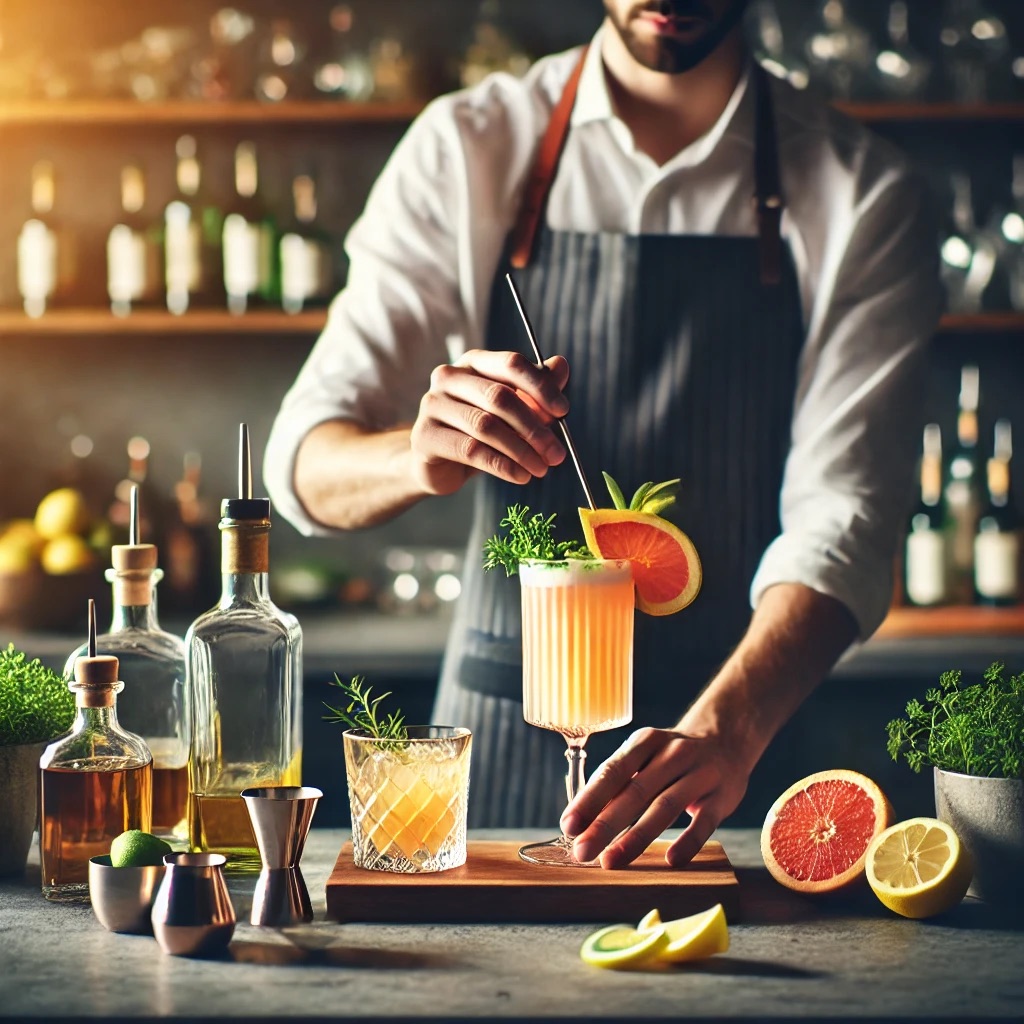
When we think about flavor, we often focus on the taste sensations that hit our tongues: sweetness, bitterness, sourness, saltiness, and umami. Yet, the reality of flavor is far more complex. Flavor is not just about taste; it encompasses aroma, texture, and mouthfeel. At the heart of this complexity lies the chemistry of flavor—how various ingredients interact to create the delicious experiences we enjoy in food and beverages.
The Basics of Flavor
Flavor is a multi-sensory experience. It is influenced by taste, smell, and even visual cues. When we eat, the molecules in food interact with the taste receptors on our tongues and the olfactory receptors in our noses. This interaction is what ultimately defines our perception of flavor.
Taste and the Five Basic Tastes
There are five basic tastes: sweet, sour, salty, bitter, and umami. Each of these tastes is triggered by specific molecules:
- Sweetness: Caused by sugars like glucose and fructose, as well as certain amino acids and alcohols.
- Sourness: Associated with acids, such as citric acid in lemons or acetic acid in vinegar.
- Saltiness: Primarily derived from sodium ions found in table salt.
- Bitter: Triggered by a variety of compounds, including caffeine and certain alkaloids.
- Umami: The savory taste, primarily linked to glutamate and nucleotides found in meats, cheeses, and fermented products.
Aroma and Smell
Aroma plays a crucial role in flavor perception. When we eat, volatile compounds are released and travel to our olfactory receptors, allowing us to smell the food. This olfactory feedback significantly enhances our experience of flavor. For instance, the aroma of freshly baked bread can evoke feelings of comfort and warmth, making the bread taste even better.
How Ingredients Interact
Understanding flavor chemistry requires an exploration of how ingredients interact at a molecular level. The interactions can be categorized into several types:
1. Synergy
Some ingredients can enhance each other’s flavors when combined. For example, the combination of tomatoes and basil creates a harmonious flavor profile that is greater than the sum of its parts. This synergy often occurs due to complementary aromas and tastes that balance each other out.
2. Contrast
Contrast can also create memorable flavor experiences. The combination of sweet and salty, such as in salted caramel, creates a complex profile that stimulates the palate. Similarly, pairing bitter ingredients with sweet ones can create a dynamic balance, as seen in dark chocolate desserts that incorporate a touch of sea salt.
3. Chemical Reactions
Cooking techniques can cause chemical reactions that transform flavors. For instance, the Maillard reaction occurs when proteins and sugars are heated together, leading to browning and the development of rich, complex flavors in grilled or roasted foods. Caramelization, the browning of sugars, also adds depth and sweetness to various dishes.
Examples of Flavor Interactions
To illustrate the chemistry of flavor, let's examine a few popular food pairings:
1. Lemon and Fish
The classic pairing of lemon with fish is not just a matter of tradition; it’s rooted in chemistry. The acidity of lemon juice helps to break down the proteins in fish, making it more tender, while the bright, citrusy flavor enhances the natural taste of the fish.
2. Chocolate and Coffee
Both chocolate and coffee contain compounds that contribute to their rich, complex flavors. When combined, they create a deep, invigorating experience. The bitterness of coffee can balance the sweetness of chocolate, making them a perfect match in desserts like mocha cakes or chocolate espresso cookies.
3. Garlic and Onion
Garlic and onion are staples in many cuisines, and their flavors meld beautifully. The sulfur compounds in garlic and the sugars in onions caramelize when cooked, producing a savory base that enhances countless dishes. Together, they create a depth of flavor that is comforting and familiar.
The Role of Temperature
Temperature also plays a significant role in how flavors are perceived. Hot foods can release more aromatic compounds than cold foods, leading to a more pronounced flavor experience. For example, a hot bowl of soup releases aromas that enhance its taste, while cold dishes like salads may require additional seasoning to bring out their flavors.
Conclusion
Understanding the chemistry of flavor unlocks a world of possibilities in cooking and food pairing. By recognizing how different ingredients interact—through synergy, contrast, and chemical reactions—cooks can create dishes that are not only delicious but also complex and satisfying. The next time you prepare a meal, consider the science behind the flavors and experiment with combinations that excite your palate.
In the end, flavor is a beautiful dance of molecules that creates the delicious experiences we cherish. Embrace the chemistry of flavor and let your culinary creativity flourish!
Related articles
 The Basics of Flavor
Understanding the Five Tastes
The Basics of Flavor
Understanding the Five Tastes
 Umami
The Science Behind the Fifth Taste
Umami
The Science Behind the Fifth Taste
 The Role of Acidity in Cooking
Balancing Flavors
The Role of Acidity in Cooking
Balancing Flavors
 The Maillard Reaction
The Science of Browning Food
The Maillard Reaction
The Science of Browning Food
 How Heat Affects Flavor
Cooking Techniques Explained
How Heat Affects Flavor
Cooking Techniques Explained
 Exploring Aromatics
The Science of Flavor Enhancers
Exploring Aromatics
The Science of Flavor Enhancers
 Fermentation
A Deep Dive into Flavor Development
Fermentation
A Deep Dive into Flavor Development
 The Chemistry of Spices
Unlocking Their Flavor Potential
The Chemistry of Spices
Unlocking Their Flavor Potential
 Sous Vide Cooking
Precision and Flavor Enhancement
Sous Vide Cooking
Precision and Flavor Enhancement
 The Art of Seasoning
When and How to Use Salt
The Art of Seasoning
When and How to Use Salt
 Flavor Pairing
The Science Behind Complementary Ingredients
Flavor Pairing
The Science Behind Complementary Ingredients
 The Impact of Cooking Techniques on Nutritional Value
 How to Build Flavor in Your Dishes
A Scientific Approach
How to Build Flavor in Your Dishes
A Scientific Approach
 Exploring the Science of Marinades and Brines
 The Role of Fat in Flavor
Why It Matters
The Role of Fat in Flavor
Why It Matters
 Baking Science
The Chemistry of Cakes and Breads
Baking Science
The Chemistry of Cakes and Breads
 Understanding Texture
The Unsung Hero of Flavor
Understanding Texture
The Unsung Hero of Flavor
 Cooking with Wine
The Science of Flavor Infusion
Cooking with Wine
The Science of Flavor Infusion
 The Importance of Fresh Ingredients in Flavor Development
 The Science of Cooking Techniques
From Searing to Stewing
The Science of Cooking Techniques
From Searing to Stewing
 How to Enhance Flavor with Herbs and Spices
 The Chemistry of Sweetness
Sugar's Role in Cooking
The Chemistry of Sweetness
Sugar's Role in Cooking
 Understanding Flavor Profiles
A Guide for Home Cooks
Understanding Flavor Profiles
A Guide for Home Cooks
 The Science of Cooking Temperatures
What You Need to Know
The Science of Cooking Temperatures
What You Need to Know
 Flavorful Fats
Exploring Oils, Butters, and More
Flavorful Fats
Exploring Oils, Butters, and More
 The Evolution of Cooking Techniques
A Scientific Perspective
The Evolution of Cooking Techniques
A Scientific Perspective
 The Art of Plating
How Presentation Affects Perception of Flavor
The Art of Plating
How Presentation Affects Perception of Flavor
 Understanding Flavor in Different Cuisines
A Scientific Exploration
Understanding Flavor in Different Cuisines
A Scientific Exploration
 The Role of Texture in Flavor Perception
Why It Matters
The Role of Texture in Flavor Perception
Why It Matters
 How Cooking Methods Influence Flavor Development
 The Science of Temperature
Why It Affects Flavor
The Science of Temperature
Why It Affects Flavor
 From Farm to Table
The Science of Fresh Ingredient Flavor
From Farm to Table
The Science of Fresh Ingredient Flavor
 The Chemistry of Flavor
How Ingredients Interact
The Chemistry of Flavor
How Ingredients Interact
 Cooking with Confidence
Understanding Flavor Fundamentals
Cooking with Confidence
Understanding Flavor Fundamentals
How to Create Depth of Flavor
Techniques for Success
The Science of Taste
How Our Senses Influence Flavor
Flavor Chemistry
Understanding the Building Blocks of Taste
The Psychology of Flavor
How Perception Influences Enjoyment
Exploring Global Flavors
A Scientific Journey Through Cooking
Cooking Techniques
Exploring the Science Behind Popular Methods
The Science of Cooking Oils
Choosing the Right One for Flavor
The Art and Science of Infusing Flavors into Oils and Vinegars
The Connection Between Flavor and Memory
A Culinary Perspective
Mastering Flavor Balance
The Key to Great Cooking
Understanding Flavor Enhancers
The Science of MSG and Beyond
The Role of Cooking Time in Flavor Development
What You Should Know
The Future of Flavor
Trends in Cooking Science and Technology
Categories