The art of cooking
AI CHEF Blog

Exploring Global Flavors: A Scientific Journey Through Cooking
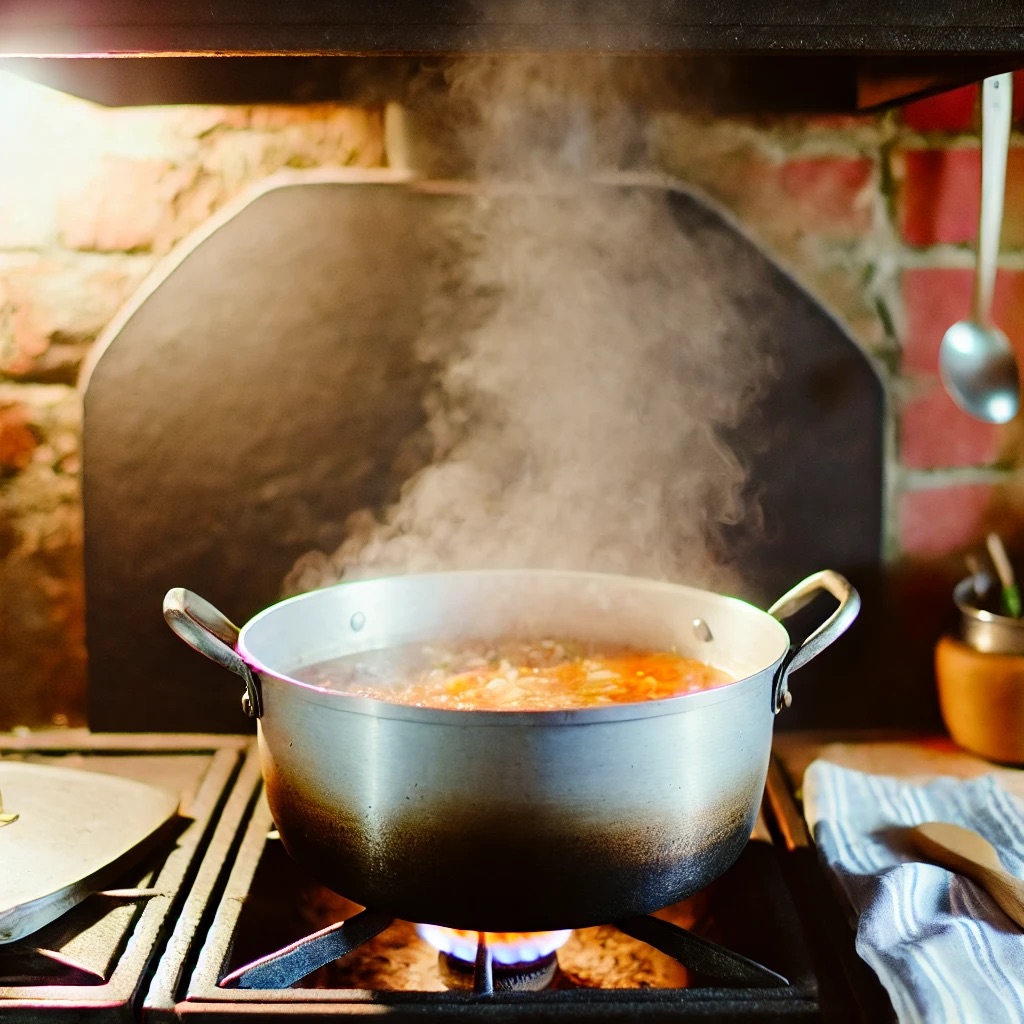
In the age of globalization, our palates are more diverse than ever. From the spicy curries of India to the delicate pastries of France, the world is a melting pot of flavors waiting to be explored. This blog post takes you on a scientific journey through cooking, uncovering the chemistry behind global flavors and the cultural significance that shapes our culinary experiences.
The Science of Taste
Before diving into global cuisines, it’s essential to understand how we perceive flavors. Taste is a complex sensation involving five primary tastes: sweet, sour, salty, bitter, and umami. These basic tastes combine with aroma, texture, and temperature to create the rich tapestry of flavors we experience in food.
The Role of Aromas
A significant part of flavor comes from our sense of smell. Aromas, which are volatile compounds released from food, interact with olfactory receptors in our noses. In fact, studies show that up to 80% of what we perceive as taste is actually derived from smell. For example, consider the complex aroma of a freshly baked loaf of bread, a blend of toasty, nutty, and sweet notes that can evoke feelings of warmth and comfort.
A Culinary Tour Around the World
Armed with an understanding of taste and aroma, let’s embark on a culinary tour around the world, examining how different cultures utilize the science of flavor in their cooking.
1. Indian Cuisine: The Art of Spices
India is renowned for its complex flavors, achieved through the careful use of spices. Turmeric, cumin, coriander, and cardamom are just a few of the spices that contribute to the vibrant dishes found in Indian kitchens.
Scientific Insight: The chemistry of spices is fascinating. For instance, curcumin, the active compound in turmeric, not only gives curry its yellow color but also has anti-inflammatory properties. The heat from spices like chili peppers can also enhance flavor through a chemical reaction known as the Maillard reaction, which occurs when amino acids and sugars react under heat, creating new flavors and aromas.
2. Japanese Cuisine: Harmony and Umami
Japanese cuisine is a beautiful blend of simplicity and complexity, focusing on seasonal ingredients and the concept of umami, often referred to as the 'fifth taste.' Ingredients such as miso, soy sauce, and dashi (a broth made from kombu seaweed and bonito flakes) are rich in umami, providing depth and savory flavors.
Scientific Insight: The umami taste is primarily due to the presence of glutamate, an amino acid that enhances flavors. The balance of flavors in Japanese cooking illustrates the cultural importance of harmony, where no single flavor overpowers another, creating a symphony of tastes.
3. Italian Cuisine: Regional Diversity
Italy is a land of regional diversity, with each area boasting its own unique ingredients and flavors. From the rich, creamy sauces of the north to the tomato-based dishes of the south, Italian cuisine is a celebration of fresh, high-quality ingredients.
Scientific Insight: The use of fresh herbs, such as basil and oregano, can significantly enhance the flavor profile of dishes. The essential oils in these herbs release aromatic compounds when cooked, contributing to the overall flavor experience. Additionally, the fermentation process in making traditional Italian cheeses and cured meats introduces complex flavors that evolve over time.
4. Mexican Cuisine: The Power of Chiles
Mexican cuisine is characterized by its vibrant flavors and the prominent use of chiles. From the smoky flavor of chipotle to the heat of habanero, chiles are central to many Mexican dishes.
Scientific Insight: The capsaicin in chiles creates a sensation of heat by binding to receptors in our mouths. Interestingly, this heat can enhance the perception of sweetness in foods, which is why you’ll often find sweet and spicy combinations in Mexican cuisine, such as chocolate mole.
5. Middle Eastern Cuisine: Spices and Sweets
Middle Eastern cuisine is a fusion of spices, grains, and sweets, showcasing the region's rich agricultural heritage. Dishes like falafel, hummus, and baklava often feature a mix of spices such as cumin, cinnamon, and nutmeg.
Scientific Insight: The combination of sweet and savory is a hallmark of Middle Eastern cooking. The caramelization of sugar in desserts like baklava not only adds sweetness but also creates complex flavors through the Maillard reaction, further enriching the culinary experience.
The Intersection of Science and Culture
As we explore global flavors, it’s essential to recognize the cultural significance behind them. Cooking is not just about sustenance; it is deeply rooted in tradition, history, and identity. Each dish tells a story, reflecting the ingredients available in a region, culinary techniques passed down through generations, and the communal aspect of sharing meals.
The Influence of Globalization
Globalization has allowed for the exchange of ingredients and techniques across cultures. Ingredients that were once locally exclusive are now available worldwide, leading to new culinary hybrids. For instance, the fusion of Asian and Latin American cuisines has given rise to dishes like sushi burritos, showcasing how flavors can transcend borders.
Cooking as a Science Experiment
Cooking can be viewed as a science experiment, where ingredients interact and transform through heat, time, and technique. Understanding the scientific principles behind cooking can empower home cooks to experiment fearlessly, leading to innovative dishes that celebrate global flavors.
Embracing Experimentation
Don’t be afraid to play with flavors! Try adding unexpected ingredients to traditional recipes or adjusting cooking methods to see how they affect flavor. For instance, roasting vegetables can enhance their sweetness through caramelization, while blanching can brighten their color and maintain crispness.
Conclusion: A Flavorful Future
As we continue to explore global flavors, we uncover not only the science behind cooking but also the rich tapestry of cultures that shape our culinary experiences. The interplay of taste, aroma, and the cultural significance of food creates a dynamic landscape that invites exploration and creativity.
So, whether you’re trying your hand at an Indian curry, whipping up a Japanese ramen, or experimenting with fusion dishes, remember that cooking is not just a routine—it's a scientific journey through the flavors of the world. Embrace the diversity, savor the complexities, and enjoy the process of making delicious memories in your kitchen.
Tags
- Global Cuisine
- Cooking Science
- Flavor Chemistry
- Culinary Traditions
- Food Exploration
- International Recipes
- Taste and Aroma
- Cultural Significance
- Fusion Cooking
- Food Experimentation
Related articles
 The Basics of Flavor
Understanding the Five Tastes
 Umami
The Science Behind the Fifth Taste
 The Role of Acidity in Cooking
Balancing Flavors
 The Maillard Reaction
The Science of Browning Food
 How Heat Affects Flavor
Cooking Techniques Explained
 Exploring Aromatics
The Science of Flavor Enhancers
 Fermentation
A Deep Dive into Flavor Development
 The Chemistry of Spices
Unlocking Their Flavor Potential
 Sous Vide Cooking
Precision and Flavor Enhancement
 The Art of Seasoning
When and How to Use Salt
 Flavor Pairing
The Science Behind Complementary Ingredients
 The Impact of Cooking Techniques on Nutritional Value
 How to Build Flavor in Your Dishes
A Scientific Approach
 Exploring the Science of Marinades and Brines
 The Role of Fat in Flavor
Why It Matters
 Baking Science
The Chemistry of Cakes and Breads
 Understanding Texture
The Unsung Hero of Flavor
 Cooking with Wine
The Science of Flavor Infusion
 The Importance of Fresh Ingredients in Flavor Development
 The Science of Cooking Techniques
From Searing to Stewing
 How to Enhance Flavor with Herbs and Spices
 The Chemistry of Sweetness
Sugar's Role in Cooking
 Understanding Flavor Profiles
A Guide for Home Cooks
 The Science of Cooking Temperatures
What You Need to Know
 Flavorful Fats
Exploring Oils, Butters, and More
 The Evolution of Cooking Techniques
A Scientific Perspective
 The Art of Plating
How Presentation Affects Perception of Flavor
 Understanding Flavor in Different Cuisines
A Scientific Exploration
 The Role of Texture in Flavor Perception
Why It Matters
 How Cooking Methods Influence Flavor Development
 The Science of Temperature
Why It Affects Flavor
 From Farm to Table
The Science of Fresh Ingredient Flavor
 The Chemistry of Flavor
How Ingredients Interact
 Cooking with Confidence
Understanding Flavor Fundamentals
How to Create Depth of Flavor
Techniques for Success
The Science of Taste
How Our Senses Influence Flavor
Flavor Chemistry
Understanding the Building Blocks of Taste
The Psychology of Flavor
How Perception Influences Enjoyment
Exploring Global Flavors
A Scientific Journey Through Cooking
Cooking Techniques
Exploring the Science Behind Popular Methods
The Science of Cooking Oils
Choosing the Right One for Flavor
The Art and Science of Infusing Flavors into Oils and Vinegars
The Connection Between Flavor and Memory
A Culinary Perspective
Mastering Flavor Balance
The Key to Great Cooking
Understanding Flavor Enhancers
The Science of MSG and Beyond
The Role of Cooking Time in Flavor Development
What You Should Know
The Future of Flavor
Trends in Cooking Science and Technology
Categories


