The art of cooking
AI CHEF Blog

The Connection Between Flavor and Memory: A Culinary Perspective
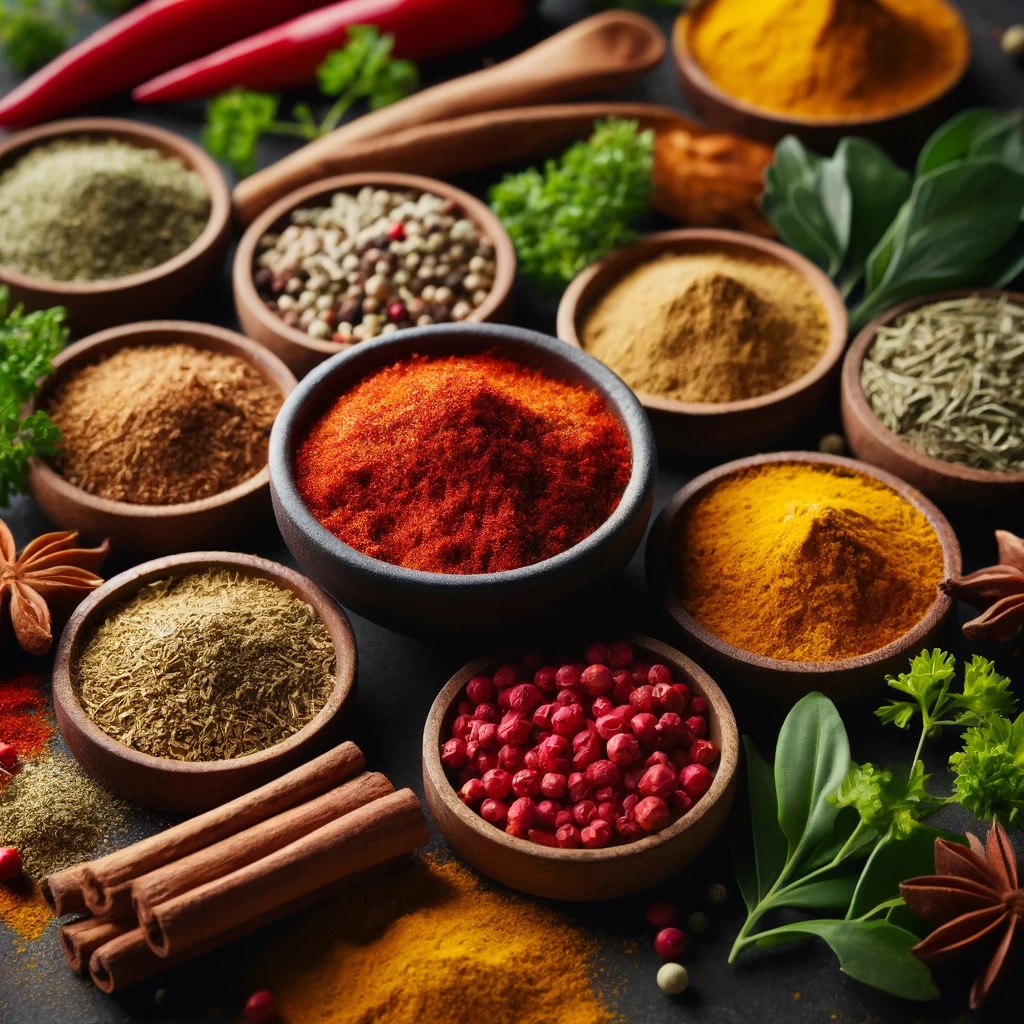
The intricate bond between flavor and memory is a fascinating subject that has captivated researchers, chefs, and food enthusiasts alike. At the intersection of neuroscience, psychology, and culinary arts lies an astonishing relationship that can evoke powerful emotions and vivid recollections. From the smell of freshly baked bread to the taste of a beloved family recipe, flavors can transport us back in time and stir feelings long forgotten. This blog post explores the science behind this connection, its implications in the culinary world, and how we can harness this understanding to create unforgettable dining experiences.
The Science of Flavor and Memory
The human brain is a complex organ, and its relationship with taste and memory is a particularly intriguing area of study. When we consume food, our senses of taste and smell work in tandem to create a unique flavor experience. This flavor experience is not merely a combination of individual tastes; it encompasses the aroma, texture, and even the visual appeal of the food, all of which contribute to its overall perception.
One of the key players in this process is the olfactory bulb, which is responsible for our sense of smell. What makes the olfactory bulb particularly interesting is its direct connection to the limbic system, the part of our brain that governs emotions and memory. This connection explains why certain smells can trigger vivid memories, often more so than other senses. For instance, the scent of a particular spice may remind you of your grandmother's kitchen or a holiday celebration.
Moreover, studies have shown that the brain processes smell and taste in a similar way. When we eat, the flavors we experience are often linked to our past experiences. This is why a seemingly ordinary dish can evoke profound nostalgia or emotional responses. The phenomenon of flavor nostalgia is a powerful reminder of how our culinary experiences are intertwined with our personal histories.
Flavor Memories: A Journey Through Time
Many cultures have specific dishes that evoke memories of family gatherings, celebrations, or significant life events. These flavors become markers of our experiences, and as we grow older, they can serve as anchors to our past. For example, a bowl of chicken soup might remind someone of being cared for as a child, while a slice of chocolate cake could bring back memories of birthday parties.
In the culinary world, chefs often aim to elicit emotional responses through their dishes by incorporating familiar flavors. This practice is referred to as 'culinary nostalgia.' By understanding the memories associated with certain ingredients or dishes, chefs can create menus that resonate with diners on a deeper level.
Think of the last time you ate a dish that reminded you of home. The flavor likely transported you back to a specific moment, allowing you to relive that experience. This is the essence of flavor memories—a sensory journey through time that connects us to our past and shapes our present culinary preferences.
Creating Culinary Experiences that Evoke Memory
With the knowledge of how flavors can trigger memories, chefs and restaurateurs have the opportunity to craft experiences that go beyond mere sustenance. Here are some ways to create culinary experiences that evoke memory:
-
Utilize Family Recipes: Incorporating family recipes or traditional dishes can create a sense of nostalgia for diners. These dishes often carry stories and history, making them more than just food on a plate.
-
Seasonal Ingredients: Using seasonal ingredients can evoke memories tied to specific times of the year. For instance, dishes featuring pumpkin in the fall can remind diners of autumn harvests and Thanksgiving gatherings.
-
Aromatic Elements: Since smell is closely linked to memory, incorporating fragrant herbs and spices can enhance the dining experience. The aroma of freshly baked bread or herbs simmering in a sauce can create a warm, inviting atmosphere that resonates with guests.
-
Storytelling: Sharing the stories behind dishes can deepen the emotional connection diners have with their meals. Whether it’s the history of a particular ingredient or a personal anecdote related to the dish, storytelling adds context and significance to the dining experience.
-
Interactive Dining: Engaging diners in the cooking process can create memorable experiences. For example, offering a cooking class or a chef’s table experience allows guests to connect with the food on a personal level, making the flavors more significant.
The Role of Culture in Flavor and Memory
Cultural background greatly influences our flavor memories. Different cultures celebrate various ingredients, cooking techniques, and flavor profiles, all of which shape our perceptions of food. For instance, someone raised in a Mediterranean household may associate the taste of olive oil and garlic with family meals, while another person from an Asian background might have fond memories tied to rice and soy sauce.
When exploring the connection between flavor and memory, it’s essential to consider how cultural narratives shape our experiences. Food is a central part of cultural identity, and as we explore different cuisines, we also discover new memories and associations.
Conclusion: A Taste of the Past
The connection between flavor and memory is a powerful reminder of the emotional weight that food carries in our lives. As we savor each bite, we are not only nourishing our bodies; we are also engaging with our past, our culture, and our shared human experience.
For chefs and food enthusiasts, understanding this connection opens up a world of possibilities. By crafting dishes that resonate with diners on a personal level, we can create culinary experiences that are not only delicious but also deeply meaningful.
Next time you sit down to a meal, take a moment to reflect on the flavors that evoke memories for you. Whether it’s a dish from your childhood or a new culinary adventure, each flavor has the potential to tell a story and connect us to our past. In the world of culinary arts, this connection is what makes food truly extraordinary.
Related articles
 The Basics of Flavor
Understanding the Five Tastes
The Basics of Flavor
Understanding the Five Tastes
 Umami
The Science Behind the Fifth Taste
Umami
The Science Behind the Fifth Taste
 The Role of Acidity in Cooking
Balancing Flavors
The Role of Acidity in Cooking
Balancing Flavors
 The Maillard Reaction
The Science of Browning Food
The Maillard Reaction
The Science of Browning Food
 How Heat Affects Flavor
Cooking Techniques Explained
How Heat Affects Flavor
Cooking Techniques Explained
 Exploring Aromatics
The Science of Flavor Enhancers
Exploring Aromatics
The Science of Flavor Enhancers
 Fermentation
A Deep Dive into Flavor Development
Fermentation
A Deep Dive into Flavor Development
 The Chemistry of Spices
Unlocking Their Flavor Potential
The Chemistry of Spices
Unlocking Their Flavor Potential
 Sous Vide Cooking
Precision and Flavor Enhancement
Sous Vide Cooking
Precision and Flavor Enhancement
 The Art of Seasoning
When and How to Use Salt
The Art of Seasoning
When and How to Use Salt
 Flavor Pairing
The Science Behind Complementary Ingredients
Flavor Pairing
The Science Behind Complementary Ingredients
 The Impact of Cooking Techniques on Nutritional Value
 How to Build Flavor in Your Dishes
A Scientific Approach
How to Build Flavor in Your Dishes
A Scientific Approach
 Exploring the Science of Marinades and Brines
 The Role of Fat in Flavor
Why It Matters
The Role of Fat in Flavor
Why It Matters
 Baking Science
The Chemistry of Cakes and Breads
Baking Science
The Chemistry of Cakes and Breads
 Understanding Texture
The Unsung Hero of Flavor
Understanding Texture
The Unsung Hero of Flavor
 Cooking with Wine
The Science of Flavor Infusion
Cooking with Wine
The Science of Flavor Infusion
 The Importance of Fresh Ingredients in Flavor Development
 The Science of Cooking Techniques
From Searing to Stewing
The Science of Cooking Techniques
From Searing to Stewing
 How to Enhance Flavor with Herbs and Spices
 The Chemistry of Sweetness
Sugar's Role in Cooking
The Chemistry of Sweetness
Sugar's Role in Cooking
 Understanding Flavor Profiles
A Guide for Home Cooks
Understanding Flavor Profiles
A Guide for Home Cooks
 The Science of Cooking Temperatures
What You Need to Know
The Science of Cooking Temperatures
What You Need to Know
 Flavorful Fats
Exploring Oils, Butters, and More
Flavorful Fats
Exploring Oils, Butters, and More
 The Evolution of Cooking Techniques
A Scientific Perspective
The Evolution of Cooking Techniques
A Scientific Perspective
 The Art of Plating
How Presentation Affects Perception of Flavor
The Art of Plating
How Presentation Affects Perception of Flavor
 Understanding Flavor in Different Cuisines
A Scientific Exploration
Understanding Flavor in Different Cuisines
A Scientific Exploration
 The Role of Texture in Flavor Perception
Why It Matters
The Role of Texture in Flavor Perception
Why It Matters
 How Cooking Methods Influence Flavor Development
 The Science of Temperature
Why It Affects Flavor
The Science of Temperature
Why It Affects Flavor
 From Farm to Table
The Science of Fresh Ingredient Flavor
From Farm to Table
The Science of Fresh Ingredient Flavor
 The Chemistry of Flavor
How Ingredients Interact
The Chemistry of Flavor
How Ingredients Interact
 Cooking with Confidence
Understanding Flavor Fundamentals
Cooking with Confidence
Understanding Flavor Fundamentals
How to Create Depth of Flavor
Techniques for Success
The Science of Taste
How Our Senses Influence Flavor
Flavor Chemistry
Understanding the Building Blocks of Taste
The Psychology of Flavor
How Perception Influences Enjoyment
Exploring Global Flavors
A Scientific Journey Through Cooking
Cooking Techniques
Exploring the Science Behind Popular Methods
The Science of Cooking Oils
Choosing the Right One for Flavor
The Art and Science of Infusing Flavors into Oils and Vinegars
The Connection Between Flavor and Memory
A Culinary Perspective
Mastering Flavor Balance
The Key to Great Cooking
Understanding Flavor Enhancers
The Science of MSG and Beyond
The Role of Cooking Time in Flavor Development
What You Should Know
The Future of Flavor
Trends in Cooking Science and Technology
Categories