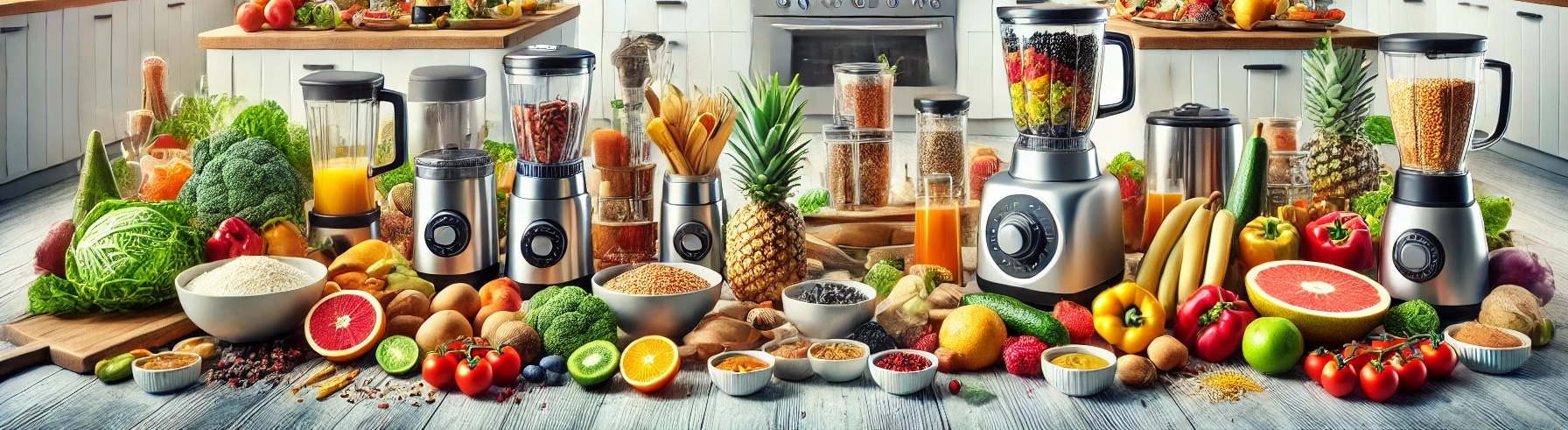
The art of cooking
AI CHEF Blog

Mastering Flavor Balance: The Key to Great Cooking

Cooking is not just about following a recipe; it’s about creating a symphony of flavors that dance together on the palate. Mastering flavor balance is the key to transforming everyday meals into extraordinary culinary experiences. In this blog post, we will delve into the fundamental elements of flavor balance, how to achieve it, and its significance in great cooking.
Understanding Flavor Profiles
Before we can master flavor balance, we need to understand the basic flavor profiles. The primary flavors are sweet, sour, salty, bitter, and umami. Each of these flavors has its own unique characteristics:
- Sweet: Often the most appealing flavor, sweetness can enhance other flavors and provide a sense of comfort. Common sources are sugar, honey, fruits, and certain vegetables.
- Sour: This flavor adds brightness and acidity to dishes. Ingredients like citrus, vinegar, and fermented foods introduce sourness that can cut through richness.
- Salty: Salt is fundamental in cooking as it enhances overall flavor. It’s not just about salt itself, but also about using ingredients that contain salt, such as soy sauce, cheese, and cured meats.
- Bitter: While often an acquired taste, bitterness can add depth and complexity. Ingredients like coffee, dark chocolate, and certain greens (like arugula or kale) contribute bitterness.
- Umami: Known as the fifth taste, umami is often described as savory or meaty. It’s found in ingredients like mushrooms, tomatoes, soy sauce, and aged cheeses.
The Importance of Balance
Achieving balance in flavors is crucial for creating delicious dishes. A well-balanced meal will have a harmonious blend of these flavors, enhancing the overall experience. A dish that leans too heavily on one flavor might overwhelm the palate, whereas a well-rounded dish invites exploration.
For instance, consider a classic vinaigrette. A typical recipe combines oil, vinegar, and seasonings. If the vinegar is too strong, the dressing will be overwhelmingly sour. However, if you add just the right amount of sweetness, perhaps a touch of honey, the flavors meld beautifully. This principle applies to all aspects of cooking.
Techniques for Achieving Flavor Balance
Here are some techniques to help you master flavor balance in your cooking:
-
Taste as You Go: One of the best ways to achieve balance is to taste your dish at various stages of cooking. This will help you identify which flavors are dominant and which need adjustment.
-
Layering Flavors: Start by building a foundation of flavors. Sauté onions and garlic to develop sweetness and depth before adding spices or acidic ingredients. Layering flavors creates complexity and depth in your dishes.
-
Use Acid to Brighten: Acidic ingredients like lemon juice or vinegar can brighten up a dish. If you find your meal is too rich or heavy, a splash of acid can cut through the richness and provide balance.
-
Sweetness to Counteract Bitterness: If a dish is too bitter, a touch of sweetness can counteract that bitterness. This is particularly useful in recipes that include dark greens or bitter herbs.
-
Salt to Enhance: Salt is a flavor enhancer. Even a pinch can bring out the sweetness in vegetables or the earthiness in grains. However, be cautious; too much salt can overwhelm the dish.
-
Experiment with Umami: Adding umami-rich ingredients can elevate your dish. Consider incorporating mushrooms, miso paste, or aged cheese to add depth and savoriness.
-
Balance Texture: Flavor balance isn’t just about taste; texture plays a vital role as well. Consider the crunchiness of a salad against the creaminess of a dressing. A diverse range of textures can enhance the overall experience of a dish.
-
Herbs and Spices: Fresh herbs can add brightness, while dried spices can introduce warmth and depth. Use them judiciously to achieve a well-rounded flavor profile.
Practical Examples
Let’s explore some practical examples of achieving flavor balance in common dishes:
-
Tomato Sauce: When making a tomato sauce, start with sautéing onions and garlic to develop sweetness. Add canned tomatoes and let the sauce simmer. If it tastes too acidic, add a pinch of sugar to counterbalance the acidity. Finish with fresh basil to add brightness.
-
Salads: A salad can be a showcase of flavor balance. Combine bitter greens like arugula with sweet elements like roasted beets or candied nuts. Add a tangy vinaigrette to tie it all together. The balance of bitter, sweet, and sour creates a delicious dish.
-
Grilled Meats: When grilling meats, a marinade with acidity (like lemon juice or vinegar) can help tenderize and flavor the meat. Pair with a sweet glaze or sauce to create contrast. For example, a honey glaze on grilled chicken adds a beautiful balance of sweet and savory.
The Role of Seasonality
Incorporating seasonal ingredients can also help with flavor balance. Seasonal produce tends to be more flavorful, allowing you to achieve better balance naturally. For example, tomatoes in summer are sweet and juicy, while winter vegetables like Brussels sprouts can be roasted for added sweetness.
Conclusion
Mastering flavor balance is an art that takes time and practice. By understanding the basic flavor profiles and using techniques to achieve harmony, you can elevate your cooking to new heights. Remember, cooking is about exploration and experimentation. Don’t be afraid to tweak and adjust recipes to find the perfect balance for your palate. With time, you’ll find yourself effortlessly creating dishes that not only taste great but also leave a lasting impression on anyone fortunate enough to enjoy them.
Embrace the journey of mastering flavor balance, and transform your cooking into a delightful experience for yourself and others. Happy cooking!
Related articles
 The Basics of Flavor
Understanding the Five Tastes
The Basics of Flavor
Understanding the Five Tastes
 Umami
The Science Behind the Fifth Taste
Umami
The Science Behind the Fifth Taste
 The Role of Acidity in Cooking
Balancing Flavors
The Role of Acidity in Cooking
Balancing Flavors
 The Maillard Reaction
The Science of Browning Food
The Maillard Reaction
The Science of Browning Food
 How Heat Affects Flavor
Cooking Techniques Explained
How Heat Affects Flavor
Cooking Techniques Explained
 Exploring Aromatics
The Science of Flavor Enhancers
Exploring Aromatics
The Science of Flavor Enhancers
 Fermentation
A Deep Dive into Flavor Development
Fermentation
A Deep Dive into Flavor Development
 The Chemistry of Spices
Unlocking Their Flavor Potential
The Chemistry of Spices
Unlocking Their Flavor Potential
 Sous Vide Cooking
Precision and Flavor Enhancement
Sous Vide Cooking
Precision and Flavor Enhancement
 The Art of Seasoning
When and How to Use Salt
The Art of Seasoning
When and How to Use Salt
 Flavor Pairing
The Science Behind Complementary Ingredients
Flavor Pairing
The Science Behind Complementary Ingredients
 The Impact of Cooking Techniques on Nutritional Value
 How to Build Flavor in Your Dishes
A Scientific Approach
How to Build Flavor in Your Dishes
A Scientific Approach
 Exploring the Science of Marinades and Brines
 The Role of Fat in Flavor
Why It Matters
The Role of Fat in Flavor
Why It Matters
 Baking Science
The Chemistry of Cakes and Breads
Baking Science
The Chemistry of Cakes and Breads
 Understanding Texture
The Unsung Hero of Flavor
Understanding Texture
The Unsung Hero of Flavor
 Cooking with Wine
The Science of Flavor Infusion
Cooking with Wine
The Science of Flavor Infusion
 The Importance of Fresh Ingredients in Flavor Development
 The Science of Cooking Techniques
From Searing to Stewing
The Science of Cooking Techniques
From Searing to Stewing
 How to Enhance Flavor with Herbs and Spices
 The Chemistry of Sweetness
Sugar's Role in Cooking
The Chemistry of Sweetness
Sugar's Role in Cooking
 Understanding Flavor Profiles
A Guide for Home Cooks
Understanding Flavor Profiles
A Guide for Home Cooks
 The Science of Cooking Temperatures
What You Need to Know
The Science of Cooking Temperatures
What You Need to Know
 Flavorful Fats
Exploring Oils, Butters, and More
Flavorful Fats
Exploring Oils, Butters, and More
 The Evolution of Cooking Techniques
A Scientific Perspective
The Evolution of Cooking Techniques
A Scientific Perspective
 The Art of Plating
How Presentation Affects Perception of Flavor
The Art of Plating
How Presentation Affects Perception of Flavor
 Understanding Flavor in Different Cuisines
A Scientific Exploration
Understanding Flavor in Different Cuisines
A Scientific Exploration
 The Role of Texture in Flavor Perception
Why It Matters
The Role of Texture in Flavor Perception
Why It Matters
 How Cooking Methods Influence Flavor Development
 The Science of Temperature
Why It Affects Flavor
The Science of Temperature
Why It Affects Flavor
 From Farm to Table
The Science of Fresh Ingredient Flavor
From Farm to Table
The Science of Fresh Ingredient Flavor
 The Chemistry of Flavor
How Ingredients Interact
The Chemistry of Flavor
How Ingredients Interact
 Cooking with Confidence
Understanding Flavor Fundamentals
Cooking with Confidence
Understanding Flavor Fundamentals
How to Create Depth of Flavor
Techniques for Success
The Science of Taste
How Our Senses Influence Flavor
Flavor Chemistry
Understanding the Building Blocks of Taste
The Psychology of Flavor
How Perception Influences Enjoyment
Exploring Global Flavors
A Scientific Journey Through Cooking
Cooking Techniques
Exploring the Science Behind Popular Methods
The Science of Cooking Oils
Choosing the Right One for Flavor
The Art and Science of Infusing Flavors into Oils and Vinegars
The Connection Between Flavor and Memory
A Culinary Perspective
Mastering Flavor Balance
The Key to Great Cooking
Understanding Flavor Enhancers
The Science of MSG and Beyond
The Role of Cooking Time in Flavor Development
What You Should Know
The Future of Flavor
Trends in Cooking Science and Technology
Categories