The art of cooking
AI CHEF Blog

The Science of Grilling: How Heat Affects Your Meat
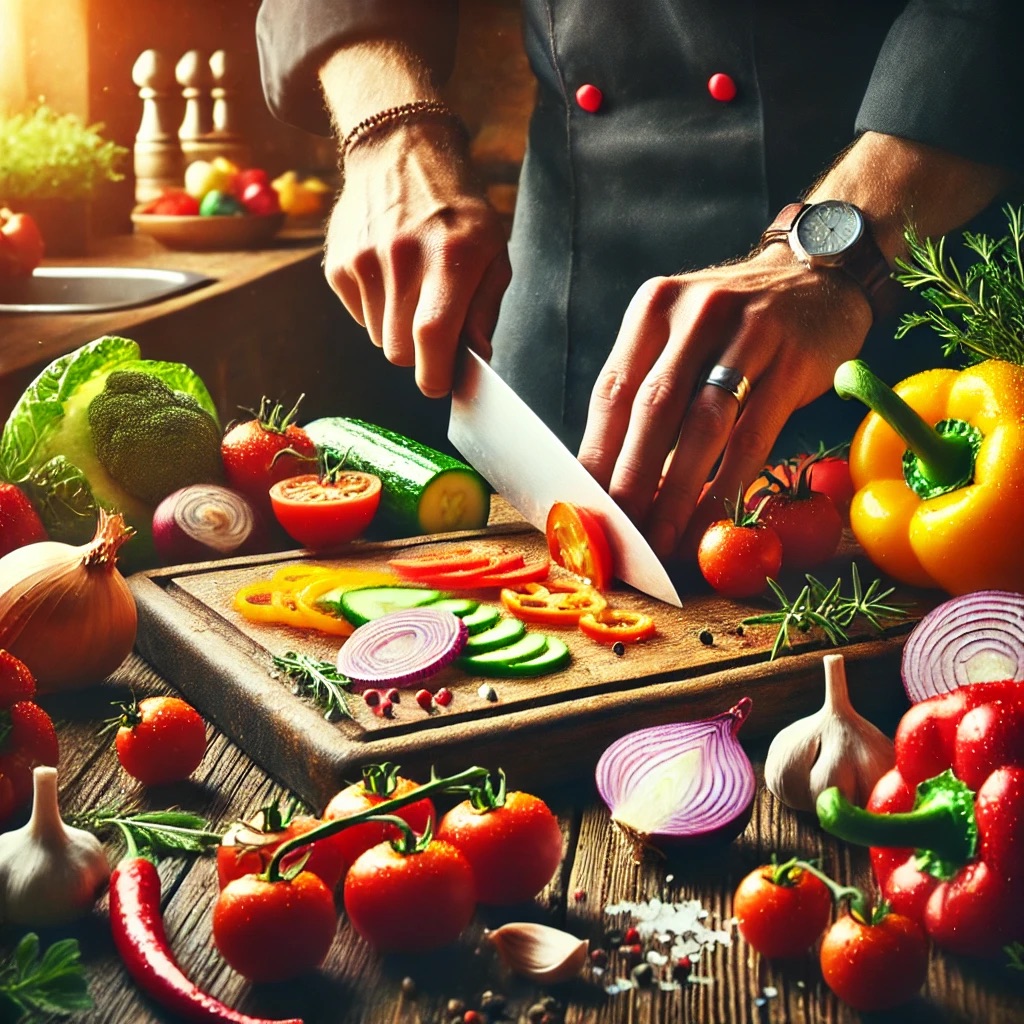
Grilling is one of the oldest cooking methods known to humanity, and it's no wonder why it remains a favorite for many. The sizzle of meat on a hot grill, the aroma of smoke, and the charred flavor all come together to create a culinary experience that’s hard to beat. But have you ever wondered what actually happens to your meat when it’s exposed to high temperatures? In this post, we’ll explore the science of grilling and how heat affects your meat.
The Basics of Heat Transfer
When grilling, heat is transferred to the meat through three mechanisms: conduction, convection, and radiation. Understanding these concepts can help you become a better griller.
- Conduction: This is the direct transfer of heat from one material to another. When your meat comes into contact with the hot grill grates, heat is conducted from the grates to the surface of the meat.
- Convection: This involves the transfer of heat through a fluid, which can be air or fat. In a grill, hot air circulates around the meat, cooking it evenly.
- Radiation: This is the transfer of heat in the form of infrared radiation. When you light up your grill, it emits infrared radiation that cooks the meat, even if it’s not in direct contact with the heat source.
The Maillard Reaction
One of the most fascinating aspects of grilling is the Maillard reaction, which is a complex chemical reaction that occurs between amino acids and reducing sugars when meat is cooked at high temperatures. This reaction is responsible for the browning of meat and the development of complex flavors and aromas.
When you grill meat, the surface temperature of the meat can reach around 300°F (150°C) or more. At this temperature, the Maillard reaction kicks in, creating a crust that not only enhances flavor but also adds appealing color. This is why a well-seared steak is often more delicious than one that’s simply cooked through.
Caramelization
Alongside the Maillard reaction, caramelization also occurs when grilling, especially with sugars present in marinades and rubs. Caramelization is the process of breaking down sugar at high temperatures, which results in a rich, sweet flavor and a deep brown color. This can add an extra layer of complexity to your grilled dishes.
The Impact of Heat on Meat Texture
The texture of meat is largely influenced by the amount of heat applied and the duration of cooking. When meat is exposed to heat, proteins undergo a transformation. The main proteins in meat, myosin and actin, begin to denature and coagulate as the temperature rises.
Here’s how different levels of heat affect meat texture:
- Low Heat (225°F - 250°F / 107°C - 121°C): Cooking at low temperatures allows for gradual moisture loss, resulting in tender and juicy meat. This method is often used for slow-cooking or smoking.
- Medium Heat (350°F - 375°F / 177°C - 190°C): This is ideal for most grilling. It allows for a good sear on the outside while keeping the inside juicy. This is where you want to be for most steaks and chicken parts.
- High Heat (400°F and above / 204°C and above): This temperature creates a quick sear, locking in juices, but can also lead to dryness if cooked for too long. This method is great for quick-cooking items like shrimp or thin cuts of meat.
Resting Your Meat
After grilling, it’s essential to let your meat rest for a few minutes before cutting into it. This resting period allows the juices to redistribute throughout the meat, ensuring that every bite is as juicy and flavorful as possible. Cutting into meat too soon causes the juices to escape, leading to a drier product.
The Role of Fat
Fat plays a crucial role in the grilling process. Not only does it add flavor, but it also helps keep the meat moist during cooking. When fat heats up, it melts and can baste the meat, enhancing its juiciness. However, not all fats are created equal. For instance, marbling in beef can add tenderness and flavor, while excess fat on pork can lead to flare-ups on your grill.
If you’re using lean cuts of meat, consider marinating them or wrapping them in bacon to help maintain moisture during grilling.
Choosing the Right Meat for Grilling
Not all meats are created equal when it comes to grilling. Understanding the cuts of meat and their characteristics can greatly enhance your grilling experience. Here are some popular choices:
- Beef: Cuts like ribeye, sirloin, and filet mignon are excellent for grilling due to their fat content and tenderness.
- Pork: Pork chops and tenderloins are great options, but be mindful of their lower fat content compared to beef.
- Poultry: Chicken thighs are generally more forgiving than chicken breasts, which can dry out quickly if overcooked.
- Fish: Fish such as salmon and tuna hold up well on the grill, but they require careful monitoring to avoid overcooking.
Conclusion
Grilling is both an art and a science. Understanding the principles of heat transfer, the reactions that occur during cooking, and the impact on texture and flavor can elevate your grilling skills to new heights. By mastering the science behind grilling, you can create delicious meals that will impress your family and friends. So fire up that grill and get cooking!
Related articles
 10 Essential Tips for Mastering the Grill This Summer
 The Ultimate Guide to Perfectly Grilled Steaks
 Mastering the Grill
Techniques for Juicy Burgers
Mastering the Grill
Techniques for Juicy Burgers
 How to Choose the Right Grill for Your BBQ Needs
 Top Marinades for Grilling
Elevate Your BBQ Game
Top Marinades for Grilling
Elevate Your BBQ Game
 Mastering the Art of BBQ Ribs
Tips and Tricks
Mastering the Art of BBQ Ribs
Tips and Tricks
 Grilling Vegetables
Tips for Perfectly Charred Sides
Grilling Vegetables
Tips for Perfectly Charred Sides
 The Science of Grill Temperature
How to Get It Right
The Science of Grill Temperature
How to Get It Right
 Mastering the Grill
Smoky Flavors Made Easy
Mastering the Grill
Smoky Flavors Made Easy
 How to Grill Seafood Like a Pro
 Creating the Perfect BBQ Rub
A Step-by-Step Guide
Creating the Perfect BBQ Rub
A Step-by-Step Guide
 Grill Safety Tips
What Every BBQ Lover Should Know
Grill Safety Tips
What Every BBQ Lover Should Know
 Mastering the Grill
Cooking Times for Different Meats
Mastering the Grill
Cooking Times for Different Meats
 The Best Grilling Tools Every BBQ Enthusiast Needs
 Mastering Fire
Charcoal vs. Gas Grilling Explained
Mastering Fire
Charcoal vs. Gas Grilling Explained
 Creative BBQ Recipes to Impress Your Guests
 Grilling for Beginners
A Comprehensive Guide
Grilling for Beginners
A Comprehensive Guide
 Mastering the Grill
How to Achieve Perfect Grill Marks
Mastering the Grill
How to Achieve Perfect Grill Marks
 The Importance of Resting Meat After Grilling
 Ultimate BBQ Side Dishes
Complement Your Grill Masterpiece
Ultimate BBQ Side Dishes
Complement Your Grill Masterpiece
 How to Host the Perfect Backyard BBQ Party
 Mastering the Grill
A Guide to Smoking Meat at Home
Mastering the Grill
A Guide to Smoking Meat at Home
 The Best Grilling Techniques for Tender Chicken
 Mastering Vegetables on the Grill
Tips for Flavor and Texture
Mastering Vegetables on the Grill
Tips for Flavor and Texture
 The Do's and Don'ts of Grilling
Avoiding Common Mistakes
The Do's and Don'ts of Grilling
Avoiding Common Mistakes
 Seasoning Secrets
How to Flavor Your Grill Masterpieces
Seasoning Secrets
How to Flavor Your Grill Masterpieces
 Grilling Desserts
Sweet Treats to Try on the BBQ
Grilling Desserts
Sweet Treats to Try on the BBQ
 Mastering the Grill
Tips for Year-Round Barbecuing
Mastering the Grill
Tips for Year-Round Barbecuing
 How to Clean and Maintain Your Grill for Longevity
 Mastering the Grill
Crafting the Perfect BBQ Sauce
Mastering the Grill
Crafting the Perfect BBQ Sauce
 Grilling with Kids
Fun and Safe BBQ Activities
Grilling with Kids
Fun and Safe BBQ Activities
 Mastering the Grill
Pairing Wine with Your BBQ Feasts
Mastering the Grill
Pairing Wine with Your BBQ Feasts
 The Best Grilling Accessories to Enhance Your BBQ Experience
 Mastering the Grill
Planning the Perfect BBQ Menu
Mastering the Grill
Planning the Perfect BBQ Menu
Grilling Techniques from Around the World
How to Make Your Own BBQ Smoker at Home
Mastering the Grill
Tips for Cooking with Indirect Heat
The Best Cuts of Meat for Grilling
A Complete Guide
Mastering the Grill
Tips for Perfectly Cooked Sausages
The Art of Plating
Presenting Your Grilled Dishes Beautifully
Mastering the Grill
Flavor Profiles for Different Meats
Categories