The art of cooking
AI CHEF Blog

How to Master the Art of Smoking Meat on the Grill
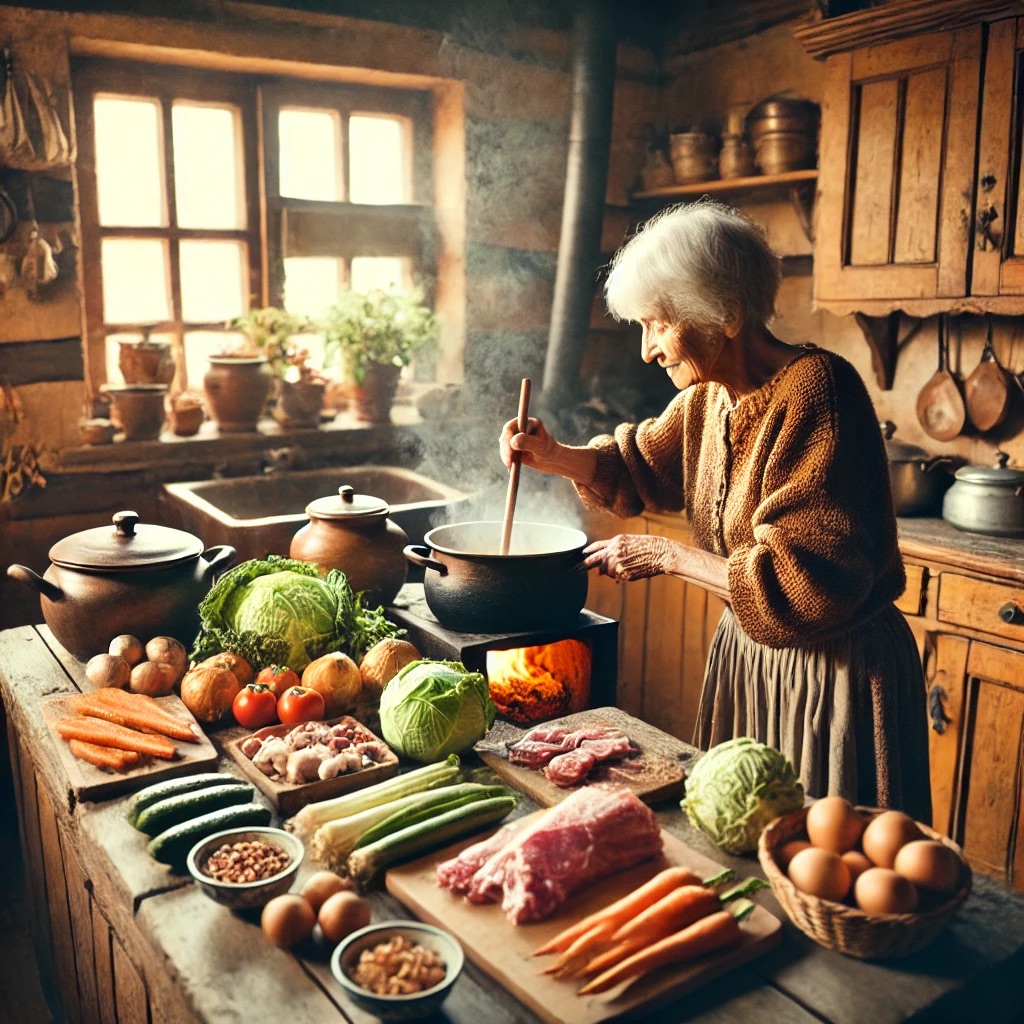
Smoking meat is an ancient culinary technique that has been enjoyed for centuries. The rich flavors, tender textures, and mouth-watering aromas make it a favorite among outdoor cooking enthusiasts. Whether you are a novice or a seasoned grill master, this guide will help you master the art of smoking meat on the grill.
1. Understanding the Basics of Smoking Meat
Smoking meat involves cooking it slowly over low heat while exposing it to smoke from burning or smoldering materials, usually wood. The smoke adds flavor while the low and slow cooking process breaks down tough fibers, resulting in tender, juicy meat.
2. Choosing the Right Grill
Not all grills are created equal when it comes to smoking. Here are a few options:
- Charcoal Grill: Offers great flavor and is commonly used for smoking. It requires more attention to maintain temperature.
- Gas Grill: Convenient and easy to control temperature; however, it may not impart as much smoky flavor unless you use a smoker box with wood chips.
- Electric Smoker: Simple and straightforward, ideal for beginners. Provides consistent temperatures but lacks the traditional grilling experience.
- Pellet Grill: Combines the convenience of gas with the flavor of wood smoking. Uses wood pellets for fuel, allowing for precise temperature control.
3. Selecting the Right Wood
The type of wood you choose will greatly influence the flavor of your smoked meat. Here are some popular options:
- Hickory: Strong and smoky, great for pork and ribs.
- Mesquite: Bold and intense, best for beef. Use sparingly to avoid overwhelming flavors.
- Applewood: Mild and sweet, perfect for poultry and pork.
- Cherry: Offers a sweet, fruity flavor that pairs well with a variety of meats.
- Oak: A versatile choice that provides a mild, smoky flavor suitable for all types of meat.
4. Preparing the Meat
Properly preparing the meat is crucial for successful smoking. Here are some steps to follow:
- Brining: Soaking the meat in a saltwater solution can enhance moisture and flavor. Consider adding herbs, spices, or sugar for additional flavor.
- Rub: Apply a dry rub to the meat, incorporating spices and herbs that complement the type of meat you are smoking.
- Marinating: A marinade can add flavor and moisture. Allow the meat to marinate for several hours or overnight for best results.
5. Setting Up Your Grill for Smoking
Setting up your grill properly is essential for effective smoking. Follow these steps:
- Indirect Heat: Arrange the coals or burners so that the meat is not directly over the heat source. This allows for slow cooking and even heat distribution.
- Water Pan: Place a water pan in your grill to maintain moisture and regulate temperature. This helps prevent the meat from drying out.
- Preheat the Grill: Aim for a steady temperature between 225°F and 250°F (107°C to 121°C) for optimal smoking.
6. Monitoring Temperature
Temperature control is vital for smoking meat. Here are some tips:
- Use a Meat Thermometer: Invest in a good-quality meat thermometer to monitor the internal temperature of the meat accurately.
- Check Grill Temperature: Use a grill thermometer to ensure the cooking environment is stable.
- Adjust Ventilation: Control airflow by adjusting the vents on your grill. More airflow increases temperature, while less airflow decreases it.
7. The Smoking Process
Once everything is prepared, it’s time to begin smoking:
- Add Wood Chips: Soak wood chips in water for at least 30 minutes, then add them to the coals or smoker box. This will create smoke as they heat up.
- Place the Meat: Position the meat on the grill grate away from the heat source. Close the lid to trap the smoke and heat.
- Monitor and Adjust: Keep an eye on the temperature and adjust the vents as needed to maintain a consistent cooking environment.
8. Knowing When the Meat is Done
Different meats have different ideal internal temperatures:
- Pork: 145°F (63°C) for cuts like pork chops; 195°F (91°C) for pulled pork.
- Beef: 135°F (57°C) for medium rare; 160°F (71°C) for brisket.
- Poultry: 165°F (74°C) for chicken and turkey.
9. Resting and Serving
After smoking, it’s crucial to let the meat rest. This allows juices to redistribute, ensuring a tender bite. Cover the meat with foil and let it rest for 10-30 minutes before slicing and serving.
10. Tips for Success
- Practice Patience: Smoking takes time. Resist the urge to open the grill frequently, as this can cause temperature fluctuations.
- Experiment with Flavors: Don’t be afraid to try different wood types, rubs, and marinades to discover your favorite flavor combinations.
- Keep a Smoking Journal: Document your smoking experiences to track what works and what doesn’t. This can help you refine your techniques over time.
Conclusion
Mastering the art of smoking meat on the grill may take time and practice, but the rewards are well worth the effort. With the right equipment, wood, and techniques, you can create delicious, smoky flavors that will impress your friends and family. So fire up that grill, get smoking, and enjoy the incredible flavors that come from this age-old cooking method!
Related articles
 10 Essential Tips for Mastering the Grill This Summer
 The Ultimate Guide to Perfectly Grilled Steaks
 Mastering the Grill
Techniques for Juicy Burgers
Mastering the Grill
Techniques for Juicy Burgers
 How to Choose the Right Grill for Your BBQ Needs
 Top Marinades for Grilling
Elevate Your BBQ Game
Top Marinades for Grilling
Elevate Your BBQ Game
 Mastering the Art of BBQ Ribs
Tips and Tricks
Mastering the Art of BBQ Ribs
Tips and Tricks
 Grilling Vegetables
Tips for Perfectly Charred Sides
Grilling Vegetables
Tips for Perfectly Charred Sides
 The Science of Grill Temperature
How to Get It Right
The Science of Grill Temperature
How to Get It Right
 Mastering the Grill
Smoky Flavors Made Easy
Mastering the Grill
Smoky Flavors Made Easy
 How to Grill Seafood Like a Pro
 Creating the Perfect BBQ Rub
A Step-by-Step Guide
Creating the Perfect BBQ Rub
A Step-by-Step Guide
 Grill Safety Tips
What Every BBQ Lover Should Know
Grill Safety Tips
What Every BBQ Lover Should Know
 Mastering the Grill
Cooking Times for Different Meats
Mastering the Grill
Cooking Times for Different Meats
 The Best Grilling Tools Every BBQ Enthusiast Needs
 Mastering Fire
Charcoal vs. Gas Grilling Explained
Mastering Fire
Charcoal vs. Gas Grilling Explained
 Creative BBQ Recipes to Impress Your Guests
 Grilling for Beginners
A Comprehensive Guide
Grilling for Beginners
A Comprehensive Guide
 Mastering the Grill
How to Achieve Perfect Grill Marks
Mastering the Grill
How to Achieve Perfect Grill Marks
 The Importance of Resting Meat After Grilling
 Ultimate BBQ Side Dishes
Complement Your Grill Masterpiece
Ultimate BBQ Side Dishes
Complement Your Grill Masterpiece
 How to Host the Perfect Backyard BBQ Party
 Mastering the Grill
A Guide to Smoking Meat at Home
Mastering the Grill
A Guide to Smoking Meat at Home
 The Best Grilling Techniques for Tender Chicken
 Mastering Vegetables on the Grill
Tips for Flavor and Texture
Mastering Vegetables on the Grill
Tips for Flavor and Texture
 The Do's and Don'ts of Grilling
Avoiding Common Mistakes
The Do's and Don'ts of Grilling
Avoiding Common Mistakes
 Seasoning Secrets
How to Flavor Your Grill Masterpieces
Seasoning Secrets
How to Flavor Your Grill Masterpieces
 Grilling Desserts
Sweet Treats to Try on the BBQ
Grilling Desserts
Sweet Treats to Try on the BBQ
 Mastering the Grill
Tips for Year-Round Barbecuing
Mastering the Grill
Tips for Year-Round Barbecuing
 How to Clean and Maintain Your Grill for Longevity
 Mastering the Grill
Crafting the Perfect BBQ Sauce
Mastering the Grill
Crafting the Perfect BBQ Sauce
 Grilling with Kids
Fun and Safe BBQ Activities
Grilling with Kids
Fun and Safe BBQ Activities
 Mastering the Grill
Pairing Wine with Your BBQ Feasts
Mastering the Grill
Pairing Wine with Your BBQ Feasts
 The Best Grilling Accessories to Enhance Your BBQ Experience
 Mastering the Grill
Planning the Perfect BBQ Menu
Mastering the Grill
Planning the Perfect BBQ Menu
Grilling Techniques from Around the World
How to Make Your Own BBQ Smoker at Home
Mastering the Grill
Tips for Cooking with Indirect Heat
The Best Cuts of Meat for Grilling
A Complete Guide
Mastering the Grill
Tips for Perfectly Cooked Sausages
The Art of Plating
Presenting Your Grilled Dishes Beautifully
Mastering the Grill
Flavor Profiles for Different Meats
Categories