The art of cooking
AI CHEF Blog

Grill Safety Tips: What Every BBQ Lover Should Know
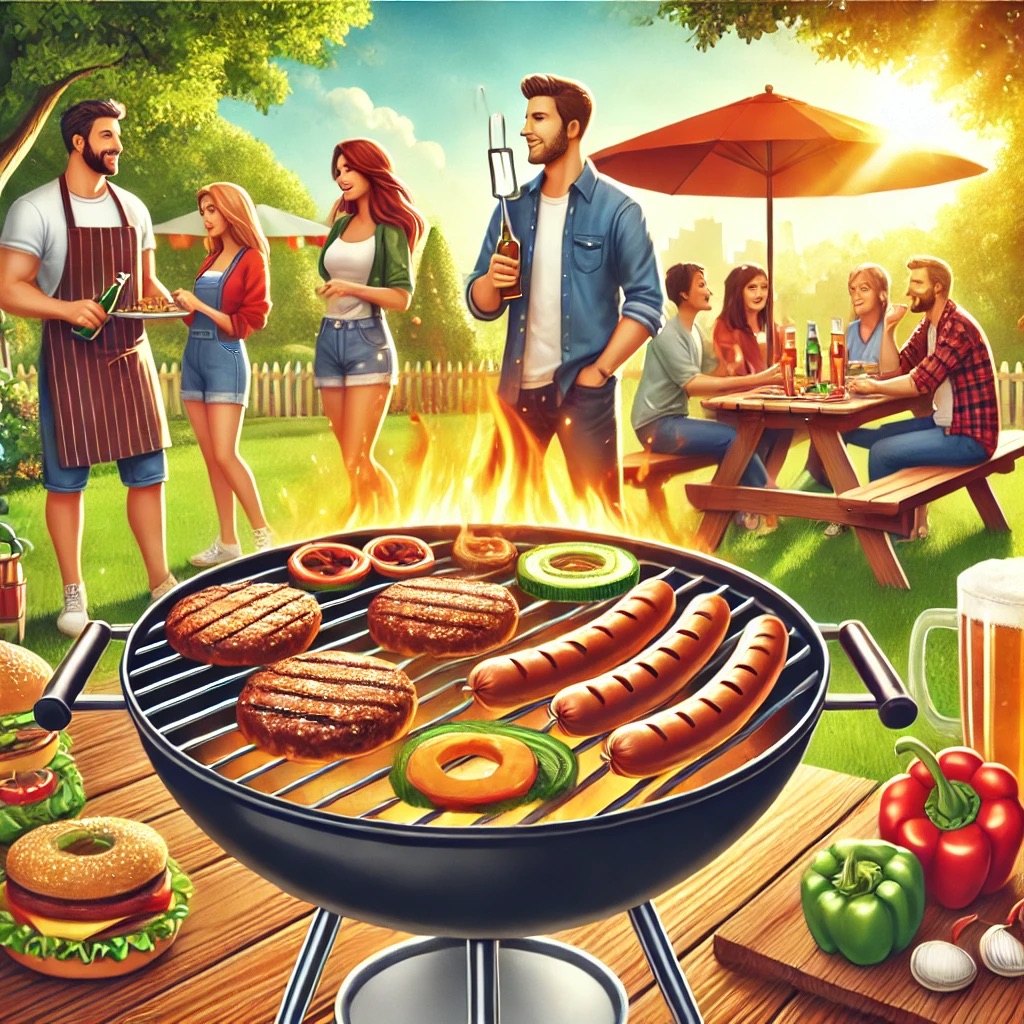
As the warm weather approaches, backyard barbecues become a staple activity for families and friends. Grilling is a beloved pastime that brings delicious food and great company together. However, with great grilling comes great responsibility, especially when it comes to safety. Every BBQ lover should be equipped with knowledge and practices that ensure a fun and safe grilling experience. Here are essential grill safety tips to keep in mind whether you're a seasoned griller or a novice who just fired up the grill for the first time.
1. Choose the Right Location
Before you even light the grill, it’s crucial to select an appropriate location. Grilling should never be done indoors or in an enclosed space, as this could lead to carbon monoxide poisoning. Make sure to place your grill at least 10 feet away from your home, deck railings, and overhanging branches. This distance ensures that any flare-ups won’t pose a threat to your property or loved ones.
2. Keep the Grill Clean
A clean grill is not only essential for cooking great food but also for fire safety. Grease and food residue can accumulate over time, increasing the risk of flare-ups and potential fires. After each use, allow the grill to cool down and clean the grates, drip pans, and surrounding areas. Regularly check and clean the burner tubes and gas lines if you use a gas grill. A clean grill also enhances the flavor of the food and prolongs the life of the grill.
3. Check for Gas Leaks
If you’re using a gas grill, it’s crucial to check for leaks before firing it up. You can do this by applying a mixture of soap and water to the gas lines, connections, and hoses. If you see bubbles forming, there’s a leak, and you should not use the grill until it’s fixed. Always ensure that the grill is turned off and the gas supply is shut off when you’re not using it.
4. Use the Right Tools
Having the correct grilling tools can significantly reduce the risk of accidents. Long-handled tongs, spatulas, and grill brushes help keep your hands away from the heat. Additionally, invest in heat-resistant gloves to protect your hands when handling hot grill parts. Never use metal utensils on non-stick surfaces, as they can scratch and release harmful chemicals.
5. Keep a Fire Extinguisher Nearby
Accidents can happen even with the best precautions. It’s always a good idea to have a fire extinguisher rated for grease and oil fires nearby. Familiarize yourself with how to use it before you start grilling. In case of a fire, never try to extinguish it with water, as this can worsen the situation. Instead, use the fire extinguisher, or cover the grill with a metal lid to smother the flames.
6. Never Leave the Grill Unattended
Always keep an eye on the grill while it’s in use. Unattended grills can quickly lead to fires or accidents, especially if children or pets are around. If you need to step away, make sure to turn off the grill and ensure that it is not left burning unattended.
7. Be Mindful of Flare-Ups
Flare-ups are a common occurrence when grilling, especially when cooking fatty meats. While they can be a natural part of the grilling process, it’s essential to manage them wisely. If a flare-up occurs, move the food to a cooler part of the grill until the flames subside. Avoid dousing flare-ups with water, as this can cause steam explosions. Instead, use a spray bottle filled with water to gently mist the flames if necessary.
8. Properly Store Propane Tanks
If you’re using a propane grill, it’s essential to store propane tanks safely. Always keep tanks upright and in a well-ventilated area away from direct sunlight and heat sources. When transporting a propane tank, ensure the valve is closed and the tank is secured to prevent movement.
9. Use Meat Thermometers
Undercooked meat can pose serious health risks, including food poisoning. To ensure your meat is cooked safely, use a meat thermometer to check internal temperatures. For example, poultry should reach an internal temperature of 165°F (75°C), while ground meats should reach at least 160°F (70°C). This simple step can help prevent foodborne illnesses and ensure a safe dining experience.
10. Keep Kids and Pets Away
Children and pets are naturally curious, but when it comes to grilling, it’s best to keep them at a safe distance. Create a designated area for kids and pets to play away from the grilling zone. This not only protects them from heat but also keeps them safe from potential accidents involving hot grill surfaces and tools.
11. Know When to Call It a Day
Weather conditions can greatly impact your grilling experience. Avoid grilling in high winds, heavy rain, or thunderstorm conditions, as these can increase the risk of accidents. If you notice any signs of severe weather, it’s better to postpone your grilling plans than to risk your safety.
Conclusion
Grilling is a fantastic way to enjoy delicious food and create lasting memories with family and friends. By following these grill safety tips, you can ensure that your BBQ experience remains enjoyable and free from accidents. Always prioritize safety, and make it a habit to review these tips before firing up your grill. Happy grilling, and may your BBQs be flavorful and safe!
Related articles
 10 Essential Tips for Mastering the Grill This Summer
 The Ultimate Guide to Perfectly Grilled Steaks
 Mastering the Grill
Techniques for Juicy Burgers
Mastering the Grill
Techniques for Juicy Burgers
 How to Choose the Right Grill for Your BBQ Needs
 Top Marinades for Grilling
Elevate Your BBQ Game
Top Marinades for Grilling
Elevate Your BBQ Game
 Mastering the Art of BBQ Ribs
Tips and Tricks
Mastering the Art of BBQ Ribs
Tips and Tricks
 Grilling Vegetables
Tips for Perfectly Charred Sides
Grilling Vegetables
Tips for Perfectly Charred Sides
 The Science of Grill Temperature
How to Get It Right
The Science of Grill Temperature
How to Get It Right
 Mastering the Grill
Smoky Flavors Made Easy
Mastering the Grill
Smoky Flavors Made Easy
 How to Grill Seafood Like a Pro
 Creating the Perfect BBQ Rub
A Step-by-Step Guide
Creating the Perfect BBQ Rub
A Step-by-Step Guide
 Grill Safety Tips
What Every BBQ Lover Should Know
Grill Safety Tips
What Every BBQ Lover Should Know
 Mastering the Grill
Cooking Times for Different Meats
Mastering the Grill
Cooking Times for Different Meats
 The Best Grilling Tools Every BBQ Enthusiast Needs
 Mastering Fire
Charcoal vs. Gas Grilling Explained
Mastering Fire
Charcoal vs. Gas Grilling Explained
 Creative BBQ Recipes to Impress Your Guests
 Grilling for Beginners
A Comprehensive Guide
Grilling for Beginners
A Comprehensive Guide
 Mastering the Grill
How to Achieve Perfect Grill Marks
Mastering the Grill
How to Achieve Perfect Grill Marks
 The Importance of Resting Meat After Grilling
 Ultimate BBQ Side Dishes
Complement Your Grill Masterpiece
Ultimate BBQ Side Dishes
Complement Your Grill Masterpiece
 How to Host the Perfect Backyard BBQ Party
 Mastering the Grill
A Guide to Smoking Meat at Home
Mastering the Grill
A Guide to Smoking Meat at Home
 The Best Grilling Techniques for Tender Chicken
 Mastering Vegetables on the Grill
Tips for Flavor and Texture
Mastering Vegetables on the Grill
Tips for Flavor and Texture
 The Do's and Don'ts of Grilling
Avoiding Common Mistakes
The Do's and Don'ts of Grilling
Avoiding Common Mistakes
 Seasoning Secrets
How to Flavor Your Grill Masterpieces
Seasoning Secrets
How to Flavor Your Grill Masterpieces
 Grilling Desserts
Sweet Treats to Try on the BBQ
Grilling Desserts
Sweet Treats to Try on the BBQ
 Mastering the Grill
Tips for Year-Round Barbecuing
Mastering the Grill
Tips for Year-Round Barbecuing
 How to Clean and Maintain Your Grill for Longevity
 Mastering the Grill
Crafting the Perfect BBQ Sauce
Mastering the Grill
Crafting the Perfect BBQ Sauce
 Grilling with Kids
Fun and Safe BBQ Activities
Grilling with Kids
Fun and Safe BBQ Activities
 Mastering the Grill
Pairing Wine with Your BBQ Feasts
Mastering the Grill
Pairing Wine with Your BBQ Feasts
 The Best Grilling Accessories to Enhance Your BBQ Experience
 Mastering the Grill
Planning the Perfect BBQ Menu
Mastering the Grill
Planning the Perfect BBQ Menu
Grilling Techniques from Around the World
How to Make Your Own BBQ Smoker at Home
Mastering the Grill
Tips for Cooking with Indirect Heat
The Best Cuts of Meat for Grilling
A Complete Guide
Mastering the Grill
Tips for Perfectly Cooked Sausages
The Art of Plating
Presenting Your Grilled Dishes Beautifully
Mastering the Grill
Flavor Profiles for Different Meats
Categories