The art of cooking
AI CHEF Blog

Cooking with Kids: Building Math Skills Through Recipes
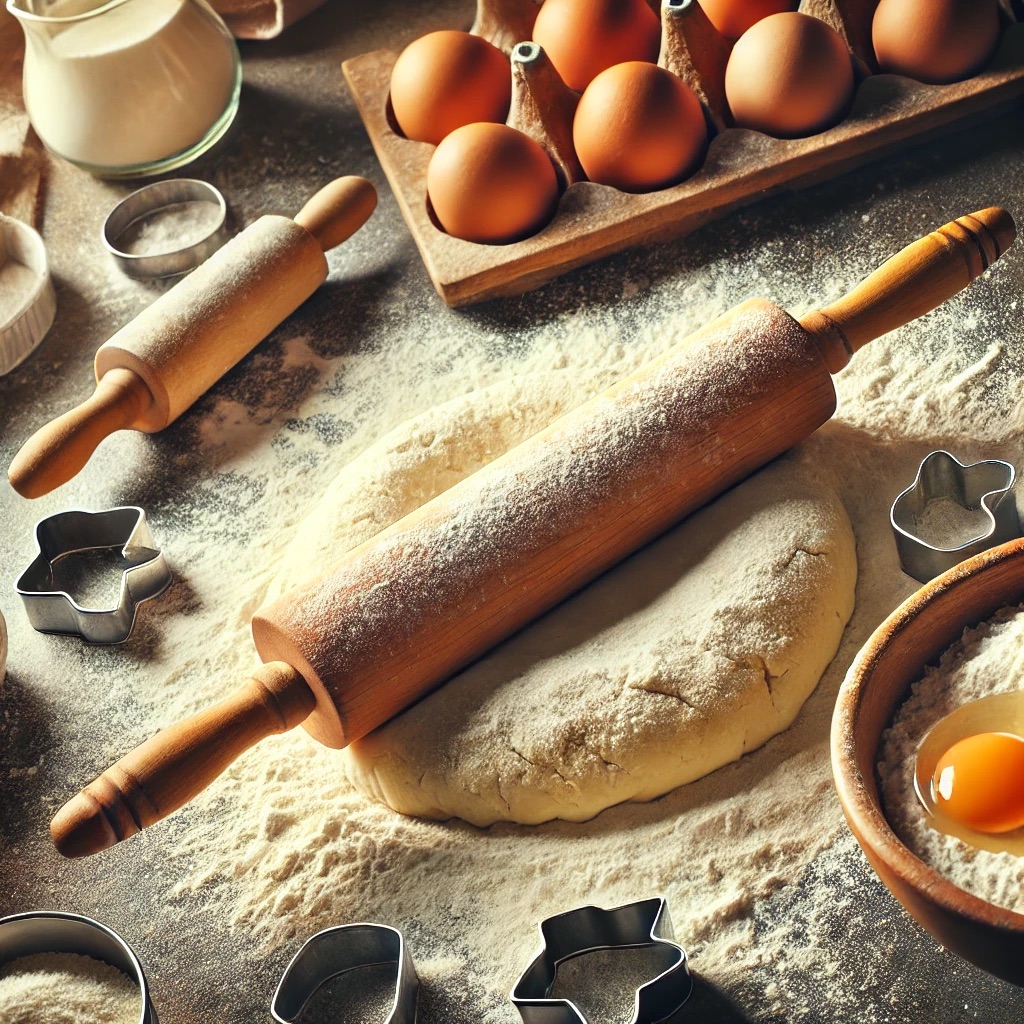
Cooking is an invaluable life skill, and when paired with the excitement of working alongside your children in the kitchen, it becomes an engaging way to teach them essential math skills. From measuring ingredients to understanding fractions and ratios, cooking can be a fun and educational experience that fosters a love for both math and food. In this post, we’ll explore how cooking with kids can help build their math skills while also creating lasting memories.
1. The Connection Between Cooking and Math
Many parents may not realize how much math goes into cooking. Recipes often require measuring ingredients, converting units, and understanding proportions. By engaging in cooking activities, children can practice these skills in a hands-on way that makes learning enjoyable and relatable.
2. Measuring Ingredients: A Hands-On Approach to Math
One of the simplest ways to introduce math to your kids while cooking is through measuring ingredients. Here’s how you can make it a fun learning experience:
- Using Measuring Cups: Allow your kids to handle measuring cups and spoons. Ask them to measure out specific quantities, such as 1/2 cup of flour or 1 tablespoon of sugar. This helps them understand volume and capacity.
- Fractions in Action: When measuring, discuss fractions. For example, if a recipe calls for 1/4 cup of an ingredient, explain how two 1/4 cups make 1/2 cup. You can even challenge them to find different ways to make 1/2 cup using 1/4 cup measurements.
- Estimating Quantities: Before measuring, ask your kids to estimate how much of an ingredient they think they’ll need. This practice can improve their analytical and estimation skills.
3. Converting Measurements: A Lesson in Ratios
Sometimes, recipes may need to be adjusted based on the number of servings you want to prepare. This offers a great opportunity to teach ratios and conversions:
- Scaling Recipes: If a recipe serves four but you want to serve six, ask your child how much of each ingredient you would need. This can lead to discussions about multiplying fractions and understanding ratios.
- Unit Conversions: Teach your kids how to convert between different units of measurement (e.g., cups to ounces). This is a practical skill that is often required in cooking.
4. Timers and Temperature: Understanding Time and Measurement
Cooking often requires precise timing and temperature management, which can be an excellent way to teach kids about time:
- Setting Timers: Have your kids set timers when baking or boiling. This helps them understand the concept of time intervals.
- Temperature Checks: Discuss the importance of cooking food to the right temperature. You can use a thermometer to teach them how to read temperatures accurately.
5. Budgeting Ingredients: A Lesson in Money Management
When planning meals, it’s important to consider the cost of ingredients. This can be a great way to introduce simple budgeting concepts:
- Shopping Together: Take your child grocery shopping and give them a budget. Ask them to help you choose ingredients while staying within that budget, reinforcing both math skills and financial literacy.
- Comparing Prices: Teach your kids how to compare prices per unit, such as ounces or pounds, to find the best deals.
6. Building Recipes: A Creative Math Challenge
Encourage creativity by having your kids come up with their own recipes. This can help them apply their math skills:
- Ingredient Ratios: Ask your kids to create a new dish and determine the proportions of each ingredient. For example, if they want to make a fruit salad, how much of each fruit should they use to maintain a balanced flavor?
- Recipe Journals: Keep a cooking journal where they can write down their recipes, including measurements and cooking times. This reinforces writing skills alongside math.
7. Making It Fun: Games and Challenges
Integrate games and challenges into your cooking sessions to make math even more enjoyable:
- Cooking Competitions: Organize friendly cooking competitions where kids must use specific measurements or ingredients. This adds an element of excitement and encourages critical thinking.
- Math Puzzles: Before starting a recipe, present them with math puzzles related to cooking. For instance, “If we double this recipe, how many cups will we need?”
8. The Benefits of Cooking Together
Cooking with your children not only builds their math skills but also offers a myriad of other benefits:
- Bonding Time: Cooking together creates an opportunity for family bonding, encouraging communication and teamwork.
- Healthy Eating Habits: Involving kids in the cooking process can lead to healthier eating habits as they become more aware of ingredients.
- Life Skills: Learning to cook equips children with essential life skills that will serve them well into adulthood.
Conclusion
Cooking with kids is an enjoyable way to build math skills while creating delicious meals. By engaging children in the kitchen, you’re providing them with practical experiences that reinforce their learning in a fun and meaningful way. So, gather your ingredients, roll up your sleeves, and embark on a culinary adventure together!
Related articles
 10 Easy and Fun Recipes to Cook with Your Kids
 Baking Basics
Fun Treats to Make with Children
Baking Basics
Fun Treats to Make with Children
 Healthy Cooking with Kids
Delicious Recipes for Family Fun
Healthy Cooking with Kids
Delicious Recipes for Family Fun
 Exploring World Cuisines
Cooking Global Foods with Kids
Exploring World Cuisines
Cooking Global Foods with Kids
 Creative Cooking
Fun Recipes to Spark Imagination in Kids
Creative Cooking
Fun Recipes to Spark Imagination in Kids
 Breakfast Bonanza
Kid-Friendly Recipes to Start the Day
Breakfast Bonanza
Kid-Friendly Recipes to Start the Day
 Cooking Science
Educational Recipes to Teach Kids About Food
Cooking Science
Educational Recipes to Teach Kids About Food
 Seasonal Cooking
Fun Recipes to Celebrate Each Season with Kids
Seasonal Cooking
Fun Recipes to Celebrate Each Season with Kids
 Savory Snacks
Easy Treats to Make with Your Little Chefs
Savory Snacks
Easy Treats to Make with Your Little Chefs
 Cooking Safety
Teaching Kids to Cook Safely in the Kitchen
Cooking Safety
Teaching Kids to Cook Safely in the Kitchen
 Garden to Table
Cooking with Fresh Ingredients with Kids
Garden to Table
Cooking with Fresh Ingredients with Kids
 Fun with Fruits
Colorful Recipes for Kids to Create
Fun with Fruits
Colorful Recipes for Kids to Create
 Pasta Party
Quick and Easy Pasta Dishes to Cook with Kids
Pasta Party
Quick and Easy Pasta Dishes to Cook with Kids
 A Taste of Culture
Cooking Traditional Dishes with Kids
A Taste of Culture
Cooking Traditional Dishes with Kids
 DIY Pizza Night
Fun Toppings and Recipes for Family Fun
DIY Pizza Night
Fun Toppings and Recipes for Family Fun
 Sweet Treats
Simple Desserts to Make with Kids
Sweet Treats
Simple Desserts to Make with Kids
 Cooking with Kids
Building Math Skills Through Recipes
Cooking with Kids
Building Math Skills Through Recipes
 Family Meal Prep
Fun Recipes to Involve Kids in Cooking
Family Meal Prep
Fun Recipes to Involve Kids in Cooking
 Crafting with Food
Edible Art Projects for Kids
Crafting with Food
Edible Art Projects for Kids
 Cooking Around the World
Easy International Recipes for Families
Cooking Around the World
Easy International Recipes for Families
 Vegetable Adventures
Making Healthy Eating Fun for Kids
Vegetable Adventures
Making Healthy Eating Fun for Kids
 Cooking with Kids
Fun Recipes for Every Age Group
Cooking with Kids
Fun Recipes for Every Age Group
 Snack Attack
Healthy Snack Recipes to Make with Kids
Snack Attack
Healthy Snack Recipes to Make with Kids
 Holiday Cooking
Festive Recipes for Family Fun
Holiday Cooking
Festive Recipes for Family Fun
 Cooking with Kids
How to Foster a Love for Food and Cooking
Cooking with Kids
How to Foster a Love for Food and Cooking
 Easy One-Pot Meals
Cooking with Kids Made Simple
Easy One-Pot Meals
Cooking with Kids Made Simple
 Themed Cooking Nights
Fun Ideas for Family Cooking Sessions
Themed Cooking Nights
Fun Ideas for Family Cooking Sessions
 Cooking Challenges
Fun Competitions to Engage Kids in the Kitchen
Cooking Challenges
Fun Competitions to Engage Kids in the Kitchen
 Healthy Desserts
Guilt-Free Sweets to Make with Kids
Healthy Desserts
Guilt-Free Sweets to Make with Kids
 Cooking for Kids
Recipes That Teach Nutrition and Balance
Cooking for Kids
Recipes That Teach Nutrition and Balance
 Silly Sandwiches
Creative Lunch Ideas for Kids
Silly Sandwiches
Creative Lunch Ideas for Kids
 Cooking with Kids
Engaging Recipes for Picky Eaters
Cooking with Kids
Engaging Recipes for Picky Eaters
 Backyard Barbecue
Fun Grilling Recipes to Involve Kids
Backyard Barbecue
Fun Grilling Recipes to Involve Kids
 Cooking with Kids
Fun Ways to Celebrate Birthdays in the Kitchen
Cooking with Kids
Fun Ways to Celebrate Birthdays in the Kitchen
Kaleidoscope of Flavors
Cooking Colorful Dishes with Kids
Cooking with Kids
Encouraging Creativity Through Food
Mindful Cooking
Teaching Kids About Sustainability and Food Sources
Categories